
Choosing a portable microphone preamp for field recording comes down to clean gain, reliable connectivity, and enough power for real-world sessions.
Below, we focus on field-ready options that help you capture usable audio outdoors, on location, and in fast-moving production setups.
Best 10 Portable Microphone Preamp for Field Recording Picks for 2026
Best for Pro Field Recording
Zoom F8n Pro Field Recorder/Mixer
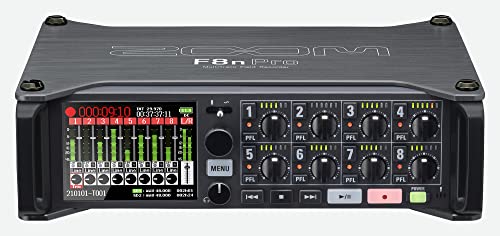
- 8 XLR/TRS inputs with 10-track recording
- 75 dB gain and -127 dBu EIN preamps
- 32-bit float capture with dual SD redundancy
Best For: Filmmakers and sound recordists who need a rugged, battery-powered recorder with pro preamps and timecode.
Best for Unpredictable Field Audio
Zoom F3 32-Bit Float Field Recorder

- 32-bit float recording reduces clipping risk
- Dual locking XLR/TRS inputs for secure rigs
- Ultra-low-noise preamps suit field use
Best For: Filmmakers and recordists who need a compact recorder for unpredictable location audio.
Best for Clip-Free Multitrack Capture
TASCAM DR-40XP Portable Field Recorder
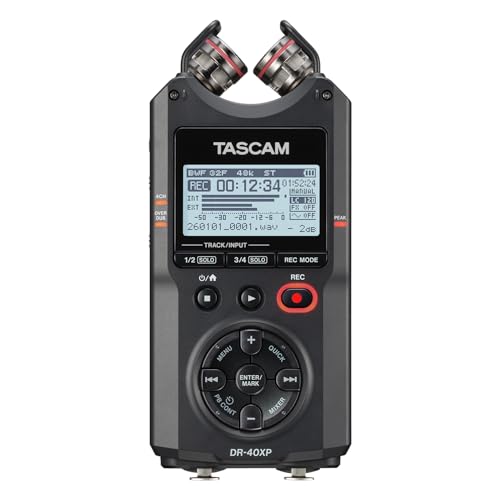
- 32-bit float helps avoid clipped takes
- Records built-in mics and external inputs together
- USB-C interface supports direct computer or mobile use
Best For: Creators and field recordists who want flexible, low-risk capture in a compact handheld recorder.
Best Dual-Channel Booster
StudioMan CL-200 2-CH XLR Preamp

- +25dB clean gain for dynamic and passive ribbon mics
- Dual-channel XLR design for two-input workflows
- Phantom-power operated, compact metal housing
Best For: Field recordists and mobile creators using dynamic or passive ribbon microphones.
Best for Tiny Listening Setups
YWBL-WH High Gain Mic Amplifier

- Ultra-compact aluminum shell
- ALC control for signal peaks
- Drives headphones for monitoring
Best For: Field recordists and hobbyists needing a tiny amp for simple mic boosting and listening.
Best Low-Noise Field Option

- -120 dB EIN for cleaner low-noise recording
- Type-C powered with built-in 48V phantom power
- 1MΩ instrument input improves DI performance
Best For: Field recordists and creators who want a compact, low-noise preamp for mobile recording.
Best Portable Battery-Powered Pick

- 0–20 dB adjustable gain for quick level boosts
- Built-in rechargeable battery for all-day portable use
- Multiple outputs for mixed or separate routing
Best For: Creators who need a compact rechargeable preamp for electret mics in mobile recording setups.
Best for Clean Gain
Rechargeable Mic Booster with 48V

- 20 dB transparent gain for low-output mics
- 48V support for dynamic and condenser use
- Compact metal body for portable recording
Best For: Field recordists and mobile creators who need a small, low-noise mic booster with phantom-power support.
Best for Battery-Powered Field Monitoring

- 0-20dB adjustable gain for quick level matching
- Three outputs support flexible routing and monitoring
- Battery-powered, compact design for mobile recording
Best For: Recordists who want a small battery-backed preamp for on-location mic boosting and headphone monitoring.
Best Low-Noise Gain Booster
Mic Preamplifier with 48V Phantom Power

- 20 dB clean gain for simple mic boosting
- 48V phantom power supports dynamic and condenser mics
- Compact metal body helps with portable setups
Best For: Field recordists and mobile creators who need a small, quiet preamp with phantom power.
Best for Pro Field Recording – Zoom F8n Pro Field Recorder/Mixer
If you need a portable microphone preamp for field recording that can handle demanding shoots, the Zoom F8n Pro is built for serious location work. Its 32-bit float recording, strong preamps, and dual AD converters help preserve clean audio when levels change fast, making it a practical choice for filmmakers and production sound mixers.
Best For: Filmmakers, sound recordists, and musicians who need a compact, battery-powered recorder with pro-level preamps, timecode, and redundant recording.
Pros:
- 8 XLR/TRS inputs with 10-track recording gives plenty of routing flexibility
- 75 dB gain and -127 dBu EIN preamps deliver clean, low-noise capture
- 32-bit float recording helps prevent clipping in unpredictable field conditions
- Dual SD slots and timecode support improve reliability on set
Cons:
- More features than casual users usually need
- Interface and workflow may feel complex for beginners
- Accessories and batteries can add to overall cost
For buyers comparing a portable microphone preamp for field recording, the F8n Pro stands out because it combines strong preamps with workflow tools usually found on much pricier location recorders. If you want dependable audio capture, timecode accuracy, and flexible I/O in one unit, this is one of the most capable options in its class.
Best for Unpredictable Field Audio – Zoom F3 32-Bit Float Field Recorder
If you need a portable microphone preamp for field recording that can handle sudden level spikes and tough location work, the Zoom F3 is built for exactly that kind of job. Its 32-bit float workflow and ultra-low-noise preamps make it a practical pick when you want clean capture without constantly riding gain.
Best For: Filmmakers, recordists, and musicians who need a compact recorder for controlled dialogue, unexpected peaks, and unpredictable environments.
Pros:
- 32-bit float recording helps prevent clipping on sudden loud sounds
- Dual locking XLR/TRS inputs stay secure in mobile and rigged setups
- Low-noise preamps deliver clean audio for field and location recording
- Flexible battery and USB power options support long sessions
Cons:
- No built-in mics, so you need external microphones
- Interface is more utility-focused than beginner-friendly
- Compact size means fewer on-device controls than larger recorders
For buyers comparing a portable microphone preamp for field recording, the F3 stands out because it prioritizes safety, simplicity, and clean capture over extra features. It is a strong fit when reliability matters more than having an all-in-one recorder.
Best for Clip-Free Multitrack Capture – TASCAM DR-40XP Portable Field Recorder
If you need a portable microphone preamp for field recording that can handle unpredictable levels, the TASCAM DR-40XP is built for exactly that kind of work. Its 32-bit float recording, HDDA preamps, and onboard adjustable mics make it a flexible choice for interviews, music, and video shoots where clean gain matters more than fiddly setup.
Best For: Creators, musicians, and videographers who want a compact recorder with built-in mics, XLR/TRS inputs, and safer recording headroom.
Pros:
- 32-bit float recording helps prevent clipping in changing field conditions
- 4-channel capture records built-in mics plus external inputs at the same time
- USB-C interface adds easy direct recording to computer or mobile rigs
- Adjustable A-B or X-Y mics give you flexible stereo pickup options
Cons:
- MicroSD card and batteries are not included
- Best suited to lightweight field workflows, not a full studio front end
For buyers looking for a portable microphone preamp for field recording that balances safety, flexibility, and speed, the DR-40XP stands out as a practical all-in-one recorder. It’s especially appealing if you want onboard mics plus external inputs without worrying as much about ruined takes.
Best Dual-Channel Booster – StudioMan CL-200 2-CH XLR Preamp
If you need a portable microphone preamp for field recording, the StudioMan CL-200 is built to cleanly lift weak dynamic or passive ribbon mic signals without forcing your recorder or interface to run at noisy max gain. Its compact, metal-bodied design and phantom-power operation make it a practical inline boost solution for run-and-gun voice, ambience, and instrument capture.
Best For: Field recordists and mobile creators using dynamic or passive ribbon microphones who want cleaner gain and dual-channel flexibility.
Pros:
- Delivers a strong +25dB gain boost to help reduce hiss from high-preamp gain stages
- Dual-channel XLR design supports two mics at once for stereo or two-source setups
- Runs from 48V phantom power, so there’s no separate battery or adapter to carry
- Low-noise, transparent design preserves the mic’s natural tone
Cons:
- Does not pass phantom power to condenser microphones
- Requires phantom-power-capable gear to operate
- Best results depend on short mic-to-booster cable runs
For a portable microphone preamp for field recording, the CL-200 makes the most sense when your main problem is weak output from passive mics rather than needing a full-featured standalone recorder. It’s a straightforward way to get cleaner, stronger signal in a compact inline format.
Best for Tiny Listening Setups – YWBL-WH High Gain Mic Amplifier
If you need a compact portable microphone preamp for field recording, the YWBL-WH High Gain Microphone Amplifier is built more for boosting quiet signals and monitoring than for a full-featured studio workflow. Its small 3.5mm design, headphone output, and ALC automatic control make it a practical pick when you want to hear weak sounds clearly on the go.
Best For: Field recordists or hobbyists who want a tiny, inexpensive way to amplify mic signals for headphone listening and simple mobile recording.
Pros:
- Compact aluminum body makes it easy to pack and carry
- ALC automatic control helps manage stronger signal peaks
- Can directly drive headphones for live monitoring
- 3.5mm interface works with simple mobile recording setups
Cons:
- Not a full-featured XLR field preamp
- Limited connection options compared with pro recorders
- Best suited to basic amplification and listening tasks
As a portable microphone preamp for field recording, this model makes the most sense when size and simplicity matter more than advanced controls. It is a niche utility device, but it can be useful for boosting quiet sources and monitoring audio in a very compact package.
Best Low-Noise Field Option – 2026 Upgraded RO03 Mic Preamp
If you need a portable microphone preamp for field recording on a tight budget, the 2026 Upgraded RO03 is built around lower noise, practical gain, and flexible I/O for mobile rigs. It’s aimed at creators who want a cleaner boost for dynamic, condenser, or ribbon mics, plus instrument capture, without carrying a full studio chain.
Best For: Field recordists, streamers, and home creators who want a compact, low-noise preamp with phantom power and Type-C portability.
Pros:
- Updated -120 dB EIN and a more realistic 19–66 dB gain range for cleaner everyday use
- Built-in 48V phantom power supports condenser mics, while 1MΩ instrument input improves DI use
- Type-C power makes it easier to run in portable setups and outdoor recording rigs
- Lowest-noise operation is achieved when feeding a TRS line input on your interface
Cons:
- Two input ports cannot be used at the same time
- Best results depend on correct cabling and pairing with a TRS line input
- Not a full-featured recorder or mixer, just a compact booster/preamp
For buyers shopping a portable microphone preamp for field recording, the RO03 stands out for its updated noise handling and portable power approach. It’s especially appealing if you want a simple way to lift mic level cleanly without paying for a larger interface.
Best Portable Battery-Powered Pick – Electret Microphone Preamp
If you need a portable microphone preamp for field recording, this compact electret amp is aimed at simple voice capture, quick level boosts, and on-the-go setups where size and battery life matter more than studio-grade flexibility. It offers adjustable 0–20 dB gain, a built-in rechargeable battery, and multiple output options for monitoring or feeding another device.
Best For: Run-and-gun creators, podcasters, and field users who want a small rechargeable preamp for electret or 3.5 mm condenser microphones.
Pros:
- Adjustable 0–20 dB gain helps lift quiet mic signals on location.
- Built-in 150 mAh battery supports over 10 hours of portable use.
- Multiple output ports allow separate or mixed output, including headphone monitoring from the mix out.
- Compact design makes it easy to pack with a small recording kit.
Cons:
- Designed mainly for electret and compatible 3.5 mm condenser mics, so it is not a universal preamp.
- 3.5 mm output cannot be used as a headphone listening jack on the line output.
- Gain range is modest compared with more advanced field recorders or dedicated preamps.
For lightweight setups, this is a practical portable microphone preamp for field recording when you want battery-powered convenience and a straightforward way to cleanly boost mic level without carrying a larger interface.
Best for Clean Gain – Rechargeable Mic Booster with 48V
If you need a portable microphone preamp for field recording, this compact mic booster is built to add clean gain without much fuss. The balanced circuit and low-noise metal housing make it a practical choice when you want to lift a dynamic or condenser mic signal while keeping interference down.
Best For: Field recordists, podcasters, and mobile creators who want a small, rechargeable preamp with 48V support and transparent gain.
Pros:
- 20 dB of clean gain for boosting quieter mic signals
- 48V power support for compatible dynamic and condenser microphones
- Compact, lightweight design is easy to pack for location work
- Metal casing helps reduce EMC interference and handling noise
Cons:
- Gain range is modest compared with some higher-output preamps
- Product details are limited on battery runtime and charging speed
- May be more than needed for simple desktop setups
Overall, this is a straightforward portable microphone preamp for field recording when portability, low noise, and phantom-power compatibility matter more than extra features. It’s a sensible pick for crews and solo recordists who want a compact signal booster they can carry anywhere.
Best for Battery-Powered Field Monitoring – Adjustable Gain Mic Preamp
If you need a portable microphone preamp for field recording, this compact mic amp stands out for its adjustable 0-20dB gain, built-in bias support for electret and condenser mics, and multiple output paths for flexible monitoring. It’s a practical pick when you want a simple, lightweight preamp that can travel with a recorder, mixer, or headphone monitoring setup.
Best For: Solo recordists, mobile interview setups, and anyone who needs a small battery-backed preamp for on-location microphone boosting and monitoring.
Pros:
- Adjustable 0-20dB gain helps match different microphones and recording conditions
- Three output ports make routing and headphone monitoring more flexible
- 150mAh battery and DC5-12V input support extended field use
- Lightweight aluminum/ABS housing is easy to pack and carry
Cons:
- Designed mainly for electret/condenser mics, not a universal mic solution
- Gain range is modest compared with higher-end field preamps
- Brand support and long-term durability are less proven than established pro gear
As a portable microphone preamp for field recording, this model makes the most sense when portability, simple gain adjustment, and direct headphone monitoring matter more than studio-grade feature depth. It’s a handy utility preamp for compact kits, but buyers needing cleaner, more robust pro audio performance may want to compare it with higher-tier options.
Best Low-Noise Gain Booster – Mic Preamplifier with 48V Phantom Power
If you need a portable microphone preamp for field recording, this compact mic booster is built for simple gain staging without adding much color. The 20 dB balanced gain, 48V phantom power support, and low-noise circuit make it a practical option for capturing cleaner dialogue, ambience, or voice in a small mobile rig.
Best For: Field recordists, podcasters, and mobile creators who want a lightweight preamp with phantom power support for dynamic or condenser mics.
Pros:
- 20 dB clean gain helps lift mic levels without heavy coloration
- 48V power supports both dynamic and condenser microphones
- Fully balanced, low-noise design helps reduce hiss and interference
- Compact black metal case is easy to pack for mobile setups
Cons:
- Single-purpose design may be less flexible than larger field recorders
- Boost amount is modest if you need very high gain for quiet mics
- No extra monitoring or routing features for advanced workflows
This is a straightforward choice if you want a portable microphone preamp for field recording that focuses on clean amplification and easy transport rather than extra bells and whistles. It fits best in lean recording setups where size, noise control, and phantom power matter most.
How We Picked the Best Portable Microphone Preamp for Field Recording
We prioritized portable units that make field recording easier: low-noise performance, practical input options, phantom power where needed, rugged construction, and workflow features that reduce clipping or handling mistakes. For a Portable Microphone Preamp for Field Recording, usability matters as much as specs.
Quick Comparison
The strongest options in this roundup fall into two groups: multichannel field recorders like the Zoom F8n Pro, Zoom F3, and TASCAM DR-40XP, and compact mic-booster style preamps designed to add clean gain to existing microphones. If you need full capture control, choose a recorder. If you already have a recorder and only need better front-end gain, a small preamp may be enough.
Key Buying Factors for a Portable Microphone Preamp for Field Recording
Noise Floor and Gain
Field recordings often involve quiet sources, distant dialogue, or soft ambience. Look for low equivalent input noise and enough clean gain to avoid raising the noise floor when you turn levels up.
Input and Output Compatibility
Check whether you need XLR, TRS, locking connectors, or line-level support. Your Portable Microphone Preamp for Field Recording should match the microphones and recorders you already own.
Phantom Power and Microphone Type Support
Condenser microphones need 48V phantom power, while dynamic and ribbon microphones may benefit most from a quiet booster stage. Make sure the preamp supports the microphones you plan to use most.
Power, Portability, and Battery Life
Location work rewards lightweight gear with dependable battery options. Rechargeable power, USB-C support, and efficient operation can matter more than a few extra features.
Recording Features
For field work, 32-bit float, dual A/D conversion, and safety-oriented recording features can save takes when levels change suddenly. These are especially useful for documentary, ENG, and run-and-gun production.
Who Should Buy Which Portable Microphone Preamp for Field Recording?
Choose a multichannel recorder if you want an all-in-one capture solution for interviews, film production, or multi-source ambience. Choose a compact booster or standalone preamp if you already own a recorder and need cleaner gain for a specific mic chain. For solo creators, a small field unit is usually the simplest path; for crews and more complex jobs, a full-featured recorder is the better investment.
In short, the best Portable Microphone Preamp for Field Recording is the one that gives you clean headroom, the right connections, and a workflow that fits the way you actually record.