
Choosing the right closed-back studio headphones can make a noticeable difference in how accurately you hear a mix, vocal take, or instrument track. If you need isolation, comfort, and a more neutral reference sound, the right pair matters.
This roundup focuses on the best closed back studio headphones with flat frequency response for creators who want dependable monitoring without unnecessary hype in the tuning.
Best 10 Closed Back Studio Headphones with Flat Frequency Response Picks for 2026
Classic Budget Monitoring Pick
Sony MDR7506 Professional Large Diaphragm Headphone

- 40mm drivers with neodymium magnets
- Closed ear design reduces external noise
- Foldable with soft case and adapter
Best For: Home studios, monitoring, and portable recording
Pro-Grade Detachable Cable Choice
Audio-Technica ATH-M50X Professional Studio Monitor Headphones

- 45mm drivers with rare earth magnets
- Circumaural design for sound isolation
- Detachable cable with included accessories
Best For: Mixing, tracking, and studio monitoring
High-Isolation Monitoring Option
Sennheiser HD 280 Pro Headphone

- Up to 32 dB attenuation
- Closed ear design with padded cups
- Replaceable parts improve longevity
Best For: Recording and fieldwork with strong isolation
Flat-Response Budget Studio Pick
JOYO Studio Monitor Headphones JMH-02

- 50mm drivers with stated flat response
- Closed-back passive isolation for tracking
- Includes 3.5mm and 6.35mm adapters
Best For: Budget monitoring, recording, and practice
Reference-Monitor Accuracy
AKG K72 Closed Back Studio Headphones
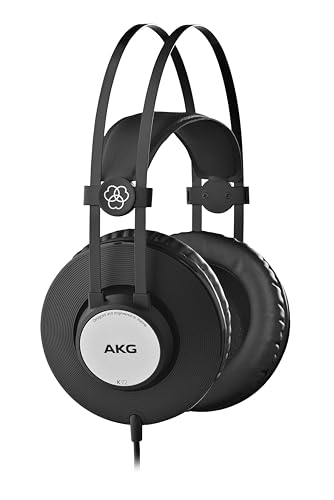
- Balanced response aimed at reference-monitor accuracy
- Closed-back design reduces leakage and outside noise
- 16 Hz - 20 kHz range with 40mm drivers
Best For: budget studio monitoring and home recording
Updated Studio Standard
Shure SRH440A Monitoring Headphones

- Balanced, transparent audio for monitoring and mixing
- Closed-back, over-ear build helps reduce ambient noise
- Collapsible design with detachable locking cable
Best For: recording, mixing, and critical listening
Value-Focused Isolation
MAONO MH700 Studio Monitor Headphones

- 50mm drivers with balanced highs, mids, and lows
- Closed-back cups and large cushions improve isolation
- Includes 3.5mm and 6.35mm detachable cables
Best For: podcast recording, DJ monitoring, and home studios
Studio Isolation Pick
beyerdynamic DT 770 PRO 80 Ohm

- Closed-back design helps reduce outside noise.
- 80 ohm version pairs well with home studio interfaces.
- Velour pads and lightweight fit suit long sessions.
Best For: Mixing, monitoring, and long studio sessions
Mixing Value Pick

- Closed-back design offers solid isolation for studio work.
- Swiveling earcups and detachable cables improve workflow.
- Built for professional monitoring and DJ use.
Best For: Studio monitoring, DJ use, and daily production work
Balanced Studio Standard
beyerdynamic DT 770 Pro Black 80 Ohm

- Balanced frequency response suits mixing and mastering.
- Closed-back design keeps leakage low during tracking.
- Velour pads and long cable support extended sessions.
Best For: Recording, mixing, and mastering
Classic Budget Monitoring Pick – Sony MDR7506 Professional Large Diaphragm Headphone
If you want closed back studio headphones with flat frequency response for recording, editing, or everyday monitoring, the Sony MDR7506 remains a practical benchmark. Its 40mm drivers, closed ear design, and wired connection are built for detailed listening and reduced external noise, while the foldable frame and included soft case make it easy to store or travel with.
Best For: Engineers, creators, and home-studio users who want a reliable closed-back monitoring headphone with a compact, portable design.
Pros:
- 40mm drivers with neodymium magnets for detailed sound
- Closed ear design helps reduce outside noise
- Foldable construction with included soft case
- 1/4 inch adapter included for studio gear
Cons:
- Fixed 9.8 foot cable is not detachable
- Frequency response is listed as 10 Hz to 20 kHz, so it is not the widest on this list
- No wireless option
Overall, the MDR7506 is a straightforward studio workhorse: comfortable enough for sessions, easy to pack away, and focused on monitoring rather than extra features.
Pro-Grade Detachable Cable Choice – Audio-Technica ATH-M50X Professional Studio Monitor Headphones
For buyers comparing closed back studio headphones with flat frequency response, the Audio-Technica ATH-M50x is a strong studio-monitor option built around 45mm drivers and a circumaural design. It is aimed at mixing, tracking, and monitoring, with sound isolation, swiveling earcups for one-ear listening, and a detachable cable setup that suits regular studio use.
Best For: Mixers, trackers, and listeners who want a durable closed-back monitor headphone with detachable cables.
Pros:
- 45mm drivers with rare earth magnets for detailed playback
- Circumaural design provides sound isolation in loud spaces
- 90-degree swiveling earcups support one-ear monitoring
- Detachable cable and included accessories add flexibility
Cons:
- Not water resistant
- Sound profile is described for extended range and accurate bass, not strictly flat in the spec sheet
- Wired only
In practice, the ATH-M50x stands out for studio flexibility and durability, making it a dependable choice when you need isolation and a more configurable cable setup.
High-Isolation Monitoring Option – Sennheiser HD 280 Pro Headphone
If you need closed back studio headphones with flat frequency response for monitoring, recording, or fieldwork, the Sennheiser HD 280 Pro is built around isolation first. It offers up to 32 dB attenuation, a closed ear design, and an around-the-ear fit with padded cups, while the collapsible frame and replaceable parts make it a practical long-term tool.
Best For: Recording, critical listening, and fieldwork where strong passive isolation matters most.
Pros:
- Up to 32 dB attenuation of outside sound
- Closed ear design with padded around-the-ear cups
- Collapsible for compact transport
- Replaceable earpads, headband padding, and cord help extend lifespan
Cons:
- Coiled cable may not suit every desk setup
- Heavier than some portable alternatives at 1.3 pounds
- Uses wired connection only
The HD 280 Pro is a no-nonsense isolation headphone: it prioritizes blocking outside noise and keeping monitoring focused, which is exactly what many studio and location users need.
Flat-Response Budget Studio Pick – JOYO Studio Monitor Headphones JMH-02
For shoppers specifically looking for closed back studio headphones with flat frequency response, the JOYO JMH-02 is the most explicit match in this group. It uses 50mm drivers and a claimed flat, well-balanced 20Hz-20kHz response, along with passive isolation and a closed circumaural fit designed for recording, mixing, guitar amp use, and podcast work.
Best For: Budget-conscious musicians and creators who want a flat-response monitoring headphone for studio and practice use.
Pros:
- 50mm drivers with a stated flat, well-balanced frequency response
- Closed-back passive isolation helps reduce headphone bleed
- 3-meter cable provides room to move in the studio
- Includes 3.5mm and 6.35mm adapters for broad compatibility
Cons:
- Passive isolation only, not active noise cancellation
- Closed-back design can create ear pressure during long sessions
- More budget-oriented construction than premium studio models
The JMH-02 is a focused value pick: it is the clearest option here if your priority is a flat response for monitoring without paying for more famous studio branding.
Reference-Monitor Accuracy – AKG K72 Closed Back Studio Headphones
If you want closed back studio headphones with flat frequency response for tracking or everyday monitoring, the AKG K72 is built around a precisely balanced sound. Its 16 Hz to 20 kHz range is aimed at revealing low-end detail in kick drums and bass guitars while keeping vocals, guitars, and acoustic instruments clear and even.
Best For: Entry-level studio users, home recordists, and anyone who wants an affordable closed-back monitor with a neutral-leaning response.
Pros:
- Closed-back design helps reduce leakage and blocks outside distractions.
- Balanced tuning is described as reference-monitor accurate.
- 40mm drivers and 16 Hz – 20 kHz range support detailed low-end and clear highs.
- Works with devices that have a 3.5mm jack or adapter.
Cons:
- Basic wired design, so it does not include wireless features.
- Passive noise isolation only, not active noise cancellation.
- Less portable than fold-flat studio models.
The K72 is a straightforward choice if your priority is practical studio monitoring rather than extra features. It focuses on isolation, balance, and usable accuracy, which makes it a sensible fit for budget-conscious buyers building a simple recording setup.
Updated Studio Standard – Shure SRH440A Monitoring Headphones
The Shure SRH440A is a strong pick if you need closed back studio headphones with flat frequency response for monitoring, mixing, and recording. Its balanced, detailed sound signature is designed for transparent audio, while the closed-back over-ear build helps keep sound contained and reduce ambient noise during sessions.
Best For: Recording engineers, home studio users, and listeners who want a clear, transparent closed-back monitor with portable storage.
Pros:
- Accurate, studio-grade tuning with extended frequency response.
- Closed-back over-ear design helps isolate and contain sound.
- Lightweight build and cushioned earcups support long sessions.
- Collapsible design and detachable locking cable add convenience.
Cons:
- Wired-only setup may not suit casual wireless listening.
- Passive noise control only, so isolation is not absolute.
- Optimized for studio use rather than bass-heavy consumer sound.
Overall, the SRH440A is geared toward users who value accuracy and consistency in a monitoring headphone. It combines practical comfort with a controlled sound profile, making it well suited to everyday studio work and critical listening.
Value-Focused Isolation – MAONO MH700 Studio Monitor Headphones
The MAONO MH700 is aimed at buyers who want closed back studio headphones with flat frequency response on a practical budget. Its 50mm drivers, 20 Hz to 20 kHz response, and noise-isolating closed-back design are positioned for mixing, podcast recording, DJ monitoring, and general studio use.
Best For: Creators, podcasters, and home studio users who want versatile closed-back monitoring with multiple cable options.
Pros:
- 50mm drivers and balanced highs, mids, and lows support detailed monitoring.
- Closed-back design and large ear cushions help block noise and improve isolation.
- Includes both 3.5mm and 6.35mm detachable cables for flexible setups.
- Foldable build and reversible ear cups add convenience for travel and storage.
Cons:
- Flat-frequency accuracy is described in marketing, not with detailed lab measurements.
- Heavier feature set may be more than casual listeners need.
- Wired-only construction limits mobility away from connected gear.
For users who want one headphone for recording, monitoring, and podcast work, the MH700 offers a lot of utility in one package. It stands out for its included cables, isolation, and comfort-focused design, which should appeal to creators building a flexible home setup.
Studio Isolation Pick – beyerdynamic DT 770 PRO 80 Ohm
If you want closed back studio headphones with flat frequency response for editing, tracking, and detailed listening, the DT 770 PRO 80 Ohm is built to help you hear into a mix. The enclosed design reduces ambient noise, while the 5 Hz to 35 kHz range and detailed high-end focus make subtle issues easier to spot. The 80 ohm version is also a sensible match for home studio interfaces and integrated amps, giving you smoother volume control in a pro-style setup.
Best For: Mixing, monitoring, and long studio sessions where isolation and detail matter.
Pros:
- Closed-back design helps block ambient noise for focused critical listening.
- 80 ohm tuning is suited to home studio interfaces and balanced performance.
- Lightweight build with soft velour pads supports long wear comfort.
- Includes a straight 3 m cable and threaded 1/4-inch adapter for studio use.
Cons:
- Not wireless, so it is strictly a wired studio headphone.
- Sound isolation is the priority here, not built-in noise control features.
- The 80 ohm model works best with suitable powered gear.
The DT 770 PRO remains a practical studio staple if you need isolation, comfort, and a detailed monitoring presentation. It is a strong fit for users who care more about hearing mix problems clearly than chasing a perfectly neutral, reference-style signature.
Mixing Value Pick – Audio-Technica ATH-M40x
The ATH-M40x is a straightforward choice if you want closed back studio headphones with flat frequency response for monitoring and editing without extra fuss. Its circumaural design is made for sound isolation in loud environments, and the 40 mm drivers are tuned for professional studio use. With detachable cables and swiveling earcups, it is easy to work with in a busy production setup.
Best For: Studio monitoring, DJ use, and anyone who wants a durable closed-back monitor.
Pros:
- Closed-back circumaural design helps isolate sound in noisy spaces.
- 40 mm drivers are built for professional monitor use.
- 90-degree swiveling earcups make one-ear monitoring easier.
- Detachable cables add flexibility and convenience.
Cons:
- Frequency response is listed as 15-24 kHz, not an ultra-wide range.
- Not wireless, so cable management is part of the package.
- Sound isolation is emphasized more than extra comfort features.
For producers who want a dependable, no-nonsense monitoring headphone, the ATH-M40x covers the essentials well. It leans into practical studio workflow features rather than flashy extras, which makes it easy to recommend for everyday use.
Balanced Studio Standard – beyerdynamic DT 770 Pro Black 80 Ohm
If your goal is closed back studio headphones with flat frequency response for mixing, mastering, and critical recording, this DT 770 Pro 80 Ohm version is positioned as a versatile studio standard. Beyerdynamic describes it as having a balanced frequency response, and the closed-back construction keeps leakage low during vocal tracking or instrument sessions. The black velour pads and long straight cable also make it a comfortable tool for extended work.
Best For: Recording, mixing, and mastering in home or pro studio environments.
Pros:
- Balanced frequency response is aimed at mixing, mastering, and critical studio use.
- Closed-back design minimizes sound leakage for tracking.
- Black velour pads provide soft, breathable comfort during long sessions.
- 3 m straight cable gives plenty of reach at a desk or booth.
Cons:
- Wired-only design may not suit casual portable listening.
- 80 ohm impedance is best matched with proper studio gear.
- No active noise cancellation is included.
This version is a strong fit if you want a studio-ready headphone with a reputation for accuracy and comfort. It combines practical monitoring features with a serviceable, long-life design that should appeal to serious users.
How We Picked the Best Closed Back Studio Headphones with Flat Frequency Response
We looked for closed-back models that are commonly used for tracking, editing, and reference listening, with an emphasis on balanced tuning, reliable build quality, and comfort for longer sessions. We also considered impedance options, cable design, pad comfort, and how well each model suits real-world studio use.
Quick Comparison
In this category, differences often come down to tonal balance, isolation, and fit rather than dramatic features. Some models lean a little brighter for detail, while others offer a fuller low end or stronger passive isolation. The best choice depends on whether you prioritize mixing accuracy, vocal tracking, or general all-day studio use.
Key Buying Factors for Closed Back Studio Headphones with Flat Frequency Response
Tonality and Accuracy
A flat or near-flat response helps you make better decisions when EQing, checking vocal levels, or balancing instruments. For studio work, avoid models that exaggerate bass too heavily unless you specifically want a more consumer-like listening profile.
Isolation and Leakage
Closed-back designs reduce sound bleed into microphones and help you focus in louder environments. If you record vocals, drums, or guitar amps, stronger passive isolation is especially valuable.
Comfort and Clamp
Long sessions demand comfortable pads, reasonable clamping force, and a secure fit. Over-ear cups with enough depth are usually better for fatigue-free monitoring.
Impedance and Compatibility
Check whether the headphones are easy to drive from an audio interface, mixer, or portable device. Higher-impedance models may benefit from a stronger headphone amp.
Durability and Serviceability
Replaceable cables, sturdy hinges, and easily sourced pads can extend the life of a studio headphone significantly.
Who Should Buy Which Closed Back Studio Headphones with Flat Frequency Response?
If you want a dependable all-rounder for recording and editing, choose a balanced closed-back model with solid isolation and a comfortable fit. If you do a lot of mixing, prioritize the most neutral tuning you can find. If you mainly track vocals or instruments, focus more on isolation and low bleed than absolute tonal perfection. For home studios on a budget, there are several strong options here that still deliver practical accuracy without premium pricing.
For the best long-term value, pick the pair that matches your source gear, session length, and use case rather than chasing the flattest spec on paper. In practice, the right Closed Back Studio Headphones with Flat Frequency Response are the ones that help you hear problems quickly and work comfortably for hours.