
Ribbon microphones often need more clean gain than a typical interface can deliver. The right in-line booster can raise level without adding hiss, harshness, or unwanted color.
Below, we focus on options that suit passive ribbon mics, with an eye toward noise performance, compatibility, and practical everyday use.
Best 10 Microphone Preamplifier for Ribbon Microphones Picks for 2026
Cloudlifter CL-1
Ultra-Clean Gain for Passive Mics

- Up to +25dB clean gain
- Safe for passive ribbon mics
- Uses phantom power from the chain
Best For: Home studios, podcasts, and broadcast setups with quiet passive mics
Triton Audio FetHead
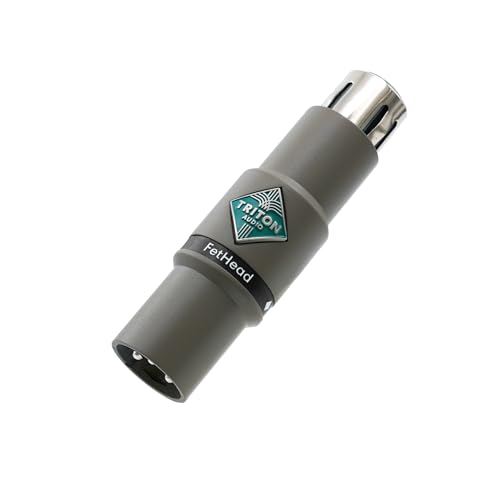
- Class-A JFET low-noise design
- Shielded metal enclosure
- Compact inline format
Best For: Compact ribbon and dynamic mic setups that need clean gain
StudioMan CL-100

- +25dB clean gain for passive mics
- Balanced XLR I/O with phantom power support
- Compact metal housing for shielding
Best For: Studio and live users needing a rugged inline booster
MANAYO Inline Preamp

- 28dB gain for low-output mics
- Requires 48V phantom power
- Designed for dynamic and passive ribbon microphones
Best For: Budget users who need simple inline gain for ribbon mics
Studio Gain Booster
DPM1 Dynamic & Ribbon Mic Preamp

- +29dB clean gain boost
- Metal housing helps reduce interference
- Requires 48V phantom power to operate
Best For: Podcasters and studio users needing extra gain for dynamic or ribbon microphones
Brass Inline Booster
UPGRADE BRASS Ribbon Mic Preamp
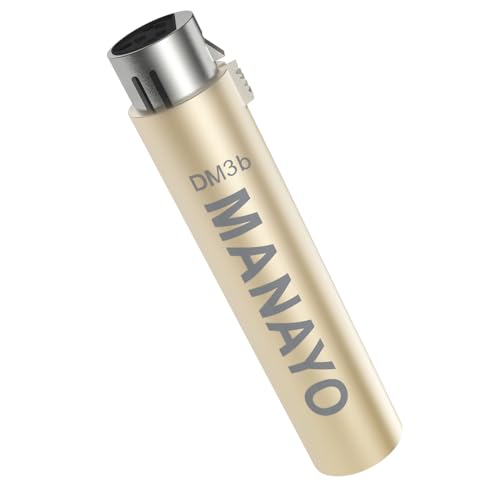
- 28dB gain for low-output mics
- Supports dynamic and passive ribbon microphones
- Brass enclosure for a sturdy build
Best For: Users who want a simple inline gain boost for passive ribbon or dynamic microphones
Clean Signal Helper

- 25dB noise-free gain boost
- Safe for passive ribbon microphones
- Plug-and-play inline setup
Best For: Podcasting and streaming setups needing a clean, modest gain boost
Inline Ribbon Mic Booster
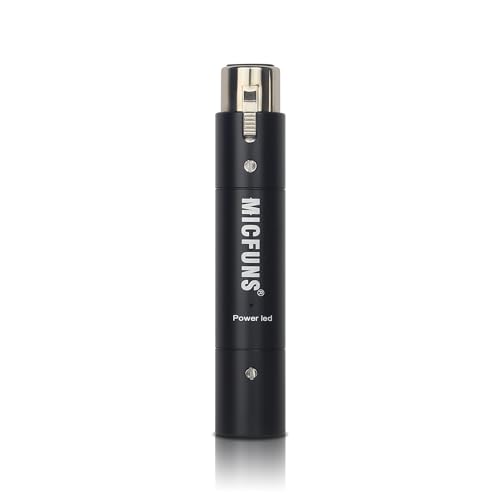
- 28 dB gain for passive mics
- Buffer helps long cable runs
- Requires 48V phantom power
Best For: Passive ribbon and dynamic mics needing a simple in-line boost
Low-Noise Budget Preamp

- Up to 66 dB gain for low-output mics
- Claims -120 dB EIN low-noise design
- Type-C power and multiple outputs
Best For: Budget-minded users who need a flexible low-noise preamp for ribbon mics
Compact Mic Booster
Microphone Preamp with 28dB Gain

- 28 dB gain for passive mics
- Buffer reduces interference and hum
- Requires 48V phantom power
Best For: Compact, no-frills ribbon mic boosting for home or studio setups
Cloudlifter CL-1 – Ultra-Clean Gain for Passive Mics
If you need a microphone preamplifier for ribbon microphones, the Cloudlifter CL-1 is built to add clean gain without sending phantom power to the mic itself. It’s a practical way to lift quiet passive ribbons, dynamic mics, and other low-output sources while keeping the sound natural and the noise floor under control.
Best For: Home studios, podcasts, live streaming, radio, and recording setups that need cleaner level from passive mics.
Pros:
- Provides up to +25dB of gain using phantom power from the preamp chain.
- Designed to be safe for passive ribbons with no phantom power transfer.
- Helps improve clarity and reduce unwanted noise in low-output microphone setups.
- Works well for studio recording, broadcast, and live sound use.
Cons:
- Requires phantom power from the connected microphone input.
- It is a gain-boosting activator, not a full standalone microphone preamp.
For users who want a simple, proven inline gain solution, the CL-1 focuses on clean amplification rather than extra processing. That makes it a strong fit when the goal is to get more usable level from a ribbon microphone with minimal fuss.
Triton Audio FetHead – Low-Noise Inline Mic Preamp
The Triton Audio FetHead is a compact microphone preamplifier for ribbon microphones and other low-output dynamic mics when you need extra level close to the source. Its low-noise Class-A JFET design and shielded metal enclosure are aimed at keeping the signal clean while giving your preamp more usable input.
Best For: Recordists who want a compact inline booster for ribbon or dynamic microphones.
Pros:
- Low-noise Class-A JFET amplification is designed for clean signal boosting.
- Shielded metal enclosure helps support a quieter, more protected signal path.
- Compact inline form factor is easy to place in a mic chain.
- Suitable for use with low-output microphones that need more gain.
Cons:
- Depends on phantom power from the connected system.
- Product details here are brief, so feature set is less explicit than some competitors.
If you want a small and straightforward inline solution, the FetHead keeps the focus on low-noise gain. It’s a sensible choice when space is tight and your ribbon mic needs help reaching a healthier recording level.
StudioMan CL-100 – Compact 25dB Signal Booster
As a microphone preamplifier for ribbon microphones, the StudioMan CL-100 is built to add a clean +25dB boost to passive ribbons and dynamic mics. It uses a compact metal chassis, balanced XLR I/O, and phantom power compatibility to fit neatly into a practical recording chain.
Best For: Users who want a compact, durable inline booster for passive ribbon and dynamic microphones.
Pros:
- Provides +25dB clean gain for low-level microphones.
- Balanced XLR input and output make integration straightforward.
- Metal chassis adds shielding and a rugged desktop-ready build.
- Designed for home studios, live sound, broadcasting, and mobile recording.
Cons:
- Requires 48V phantom power from the connected system.
- Best suited to dynamic and passive ribbon microphones, not condensers.
The CL-100 is a good fit if you want a no-frills gain stage with practical studio features and a durable shell. It emphasizes clean level, compatibility, and easy setup rather than extra controls or processing.
MANAYO Inline Preamp – 28dB Mic Booster for Ribbons
If you’re shopping for a microphone preamplifier for ribbon microphones, this MANAYO inline booster is aimed at giving dynamic and passive ribbon mics a stronger output signal. It connects between the mic and an interface with 48V phantom power, making it a simple option when your goal is to raise gain by a useful margin.
Best For: Budget-minded users needing an inline gain boost for dynamic or passive ribbon microphones.
Pros:
- Advertised 28dB gain for low-output microphones.
- Works with dynamic and passive ribbon microphones.
- Simple inline connection path with 48V phantom power required.
- Specs list low output noise and wide 20Hz–20kHz frequency response.
Cons:
- Requires a 48V phantom power supply from the interface.
- Not compatible with condenser microphones according to the notes.
This is a straightforward signal booster rather than a feature-heavy preamp, so it makes the most sense when you want practical gain at a basic level. For users who simply need more output from a ribbon mic, it covers the essentials.
Studio Gain Booster – DPM1 Dynamic & Ribbon Mic Preamp
If you need a microphone preamplifier for ribbon microphones or low-output dynamic mics, the StudioMan DPM1 is built to add clean gain before your interface has to work hard. It delivers +29dB of transparent boost and requires 48V phantom power to operate, while not passing phantom power on to the mic.
Best For: Podcasters, streamers, and studio users who want more headroom for dynamic or passive ribbon microphones without cranking a noisy interface preamp.
Pros:
- Provides a strong +29dB gain boost for dynamic microphones and ribbon mics.
- Helps improve signal-to-noise ratio for clearer, broadcast-style recording.
- Rugged metal housing adds durability and helps shield interference and hum.
- Compact XLR inline design fits easily between mic and mixer/interface.
Cons:
- Requires 48V phantom power from the mixer or interface to function.
- Not designed for condenser microphones.
For users focused on cleaner gain and simpler setup, the DPM1 is a practical inline solution. Its main appeal is straightforward signal boosting for ribbon and dynamic mics without forcing you to upgrade your whole audio chain.
Brass Inline Booster – UPGRADE BRASS Ribbon Mic Preamp
in-line microphone preamp for Dynamic and Passive Ribbon Microphones (UPGRADE BRASS)
Check Price On AmazonAs a microphone preamplifier for ribbon microphones, this MANAYO inline booster is aimed at users who need more usable level from passive ribbons or dynamic mics. It offers 28dB of gain in an XLR inline format, making it a simple way to lift low-output signals before they reach your interface or mixer.
Best For: Creators and musicians who want a straightforward inline gain boost for passive ribbon or dynamic microphones.
Pros:
- Delivers 28dB of gain for low-output microphones.
- Works with dynamic and passive ribbon microphones.
- Brass enclosure gives it a solid, durable build.
- Simple XLR inline design suits basic plug-and-play setups.
Cons:
- Requires phantom power from the connected chain to operate.
- Product details are limited compared with more fully specified alternatives.
This is a practical option if you want a no-frills gain helper for ribbon or dynamic mics. The brass build and 28dB boost make it a focused utility product rather than a feature-heavy preamp.
Clean Signal Helper – OFCOSH 25dB Mic Booster
This microphone preamplifier for ribbon microphones is designed to add clean, noise-free gain without changing the character of the source. The OFCOSH mic booster provides 25dB of gain for dynamic and ribbon microphones, and it is described as safe for passive ribbon mics while still requiring 48V phantom power from the connected setup.
Best For: Podcasting, live streaming, and recording setups that need a modest, clean gain lift for ribbon or dynamic microphones.
Pros:
- Offers 25dB of noise-free gain to improve quiet sources.
- Compatible with dynamic and passive ribbon microphones.
- Plug-and-play design keeps setup simple.
- Positioned for podcasting, live sound, radio, and studio recording.
Cons:
- Requires 48V phantom power, which is not included in the package.
- Lower gain than some competing inline boosters.
For users who value clean, straightforward gain over maximum boost, this model makes sense. It focuses on improving clarity and usability in everyday content and recording workflows rather than adding extra features.
Inline Ribbon Mic Booster – M1 In-line Microphone Pream
If you need a microphone preamplifier for ribbon microphones that simply lifts a passive mic’s level, this in-line booster is built around that job. It adds 28 dB of gain, uses a dedicated output buffer to help drive long cable runs, and is designed to reduce RF interference, buzz, and hum without adding noise or coloration.
Best For: Passive ribbon and dynamic mic users who want a simple in-line gain boost for stage or studio use.
Pros:
- 28 dB of gain to raise low-output passive mic signals
- Dedicated output buffer helps with long cable runs and interference rejection
- Rugged metal housing for noise and electrical interference rejection
- Works for stage or studio recordings
Cons:
- Requires 48V phantom power from a preamp, mixer, or audio interface
- Only adds gain; it is not a full-featured standalone preamp
Overall, this is a straightforward mic booster for ribbon microphones when you want more usable level before the main preamp. Just make sure your setup can supply phantom power, since that requirement is essential for operation.
Low-Noise Budget Preamp – RO03 Mic Preamp
For buyers looking for a microphone preamplifier for ribbon microphones with more flexibility than a basic booster, this updated model focuses on low noise and broader connectivity. It offers up to 66 dB of gain, claims an EIN of -120 dB, and is designed to work with dynamic, condenser, ribbon microphones, and instruments.
Best For: Users who want a low-noise, budget-friendly preamp for ribbon mics, vocals, and instrument recording.
Pros:
- 66 dB gain with an updated 19~66 dB usable range
- Claims ultra-low noise performance with EIN rated at -120 dB
- XLR/TRS/TS outputs plus Type-C power input for portability
- Instrument input impedance upgraded to 1MΩ for better DI use
Cons:
- Two input ports cannot be used at the same time
- Best noise results depend on connecting to the TRS line input as recommended
This is a practical all-rounder if you want an affordable preamp that can handle ribbon microphones and other sources. Its value comes from the updated noise performance and flexible outputs, but setup matters if you want the cleanest result.
Compact Mic Booster – Microphone Preamp with 28dB Gain
If you want a simple microphone preamplifier for ribbon microphones with a slim, utility-first design, this booster keeps the focus on basic gain and noise control. It delivers 28 dB of gain, uses a dedicated output buffer amplifier to help with long cable runs, and is described as reducing RF interference, buzz, and hum for studio, home recording, livestreaming, broadcast, or podcast use.
Best For: Home and studio users who want a compact 28 dB mic booster for dynamic or passive ribbon microphones.
Pros:
- 28 dB gain for boosting passive mic output
- Dedicated output buffer helps reduce RF interference, buzz, and hum
- Slim aluminum design aimed at stage reliability
- Suitable for studio, home recording, livestream, broadcast, or podcast use
Cons:
- Requires 48V phantom power from a preamp, mixer, or audio interface
- Product notes reference multiple naming and adapter details, so check compatibility carefully
As a compact gain stage, this is a sensible pick when your ribbon mic needs more level before the main preamp. It is best viewed as a straightforward booster rather than a full-featured recording hub.
How We Picked the Best Microphone Preamplifier for Ribbon Microphones
For this roundup, we prioritized Microphone Preamplifier for Ribbon Microphones options that are designed to add clean gain ahead of your main preamp. The most important factors were noise floor, available gain, phantom-power requirements, build quality, and how reliably each unit works with passive ribbon mics in real-world setups.
We also favored products that are simple to insert into a signal chain, since ribbon mic users often want a straightforward way to get more level without changing their entire recording chain.
Quick Comparison
If you want the cleanest possible boost, look for an in-line preamp with strong gain and low EIN. If you need a compact, affordable solution for home recording or podcasting, a simpler mic booster may be enough. For users who want one device that can also serve dynamic microphones, versatility matters more than maximum gain.
Key Buying Factors for a Microphone Preamplifier for Ribbon Microphones
Gain Amount
Passive ribbon microphones can be quiet, especially with distant placement. Many users will do well with 20 to 30 dB of clean gain, while low-output ribbons or quiet sources may benefit from more. More gain is not automatically better if the unit adds noise.
Noise Performance
Low noise is critical. A good booster should raise the signal without making preamp hiss more obvious. Look for clear specs such as EIN, and pay attention to whether the product is positioned as ultra-clean or simply general-purpose.
Phantom Power Requirements
Most inline boosters need phantom power from the main preamp or audio interface to operate. That phantom power should not reach the ribbon capsule itself when the device is correctly designed, but it is still smart to confirm compatibility before buying.
Compatibility and Use Case
Some boosters are optimized for passive ribbon microphones, while others also work well with dynamic microphones and select condensers. If you record vocals, instruments, podcasts, or amp cabinets, choose a model that matches your most common source.
Build and Convenience
Metal housings, secure XLR connections, and compact footprints are useful in studio or live settings. A plug-and-play design can save setup time and reduce the chance of wiring mistakes.
Who Should Buy Which Microphone Preamplifier for Ribbon Microphones?
If you use a passive ribbon mic with a modest interface preamp, choose a clean inline booster with around 25 to 30 dB of gain. If you routinely record quiet sources or want maximum headroom, step up to a higher-gain model with very low noise. If you need a general mic booster for multiple microphone types, a more flexible preamplifier may be the better value.
In short, the best Microphone Preamplifier for Ribbon Microphones is the one that gives your ribbon enough quiet gain for your room, your source, and your interface without adding coloration you do not want.