
Choosing an av processor under 3000 is about more than channel count. The right pick should handle your sources cleanly, match your display or projector setup, and leave room for future upgrades.
In this roundup, we focused on practical performance, connectivity, and value so you can find a processor or receiver that fits your room, your gear, and your budget.
Best 10 Av Processor Under 3000 Picks for 2026
Best for Multi-Source 4K Switching

- Four resizable 4K/60 source windows
- Mixed SD, HD, and Ultra HD input support
- STILE app control with PiP and quad layouts
Best For: Teams and AV users who need a flexible 4x1 multiview processor for presentations or monitoring.
Best for 8K Gaming
Denon AVR-X1800H 7.2-Channel Receiver

- 3 dedicated 8K inputs with HDMI 2.1 gaming support
- Dolby Atmos and DTS:X for immersive surround sound
- Built-in HEOS, Wi‑Fi, Bluetooth, and AirPlay 2 streaming
Best For: Gamers and home theater buyers who want an easy-to-use 7.2-channel AVR with modern 8K support.
Best for Zone-Based Control
AtlasIED AZM4 4-Zone Audio Processor

- 4-zone, 6x4 channel audio processor
- Two RJ45 accessory ports for expansion
- Built-in DSP, ducking, and speaker presets
Best For: Commercial installs that need flexible multi-zone control and expansion.
Best for 8K Upgrade Path
Denon AVR-X1700H 7.2-Channel 8K Receiver

- 3 dedicated 8K HDMI inputs plus 1 output
- Dolby Atmos, DTS:X, and height virtualization support
- HEOS, AirPlay 2, Bluetooth, and Alexa voice control
Best For: Home theater buyers who want future-ready HDMI 2.1 features and easy streaming in one receiver.
Best DSP Controls
miniDSP 2x4 HD Digital Audio Processor

- 2-in/4-out DSP with USB DAC support
- Advanced tuning tools: PEQ, delay, crossovers, FIR/IIR
- Stores up to 4 presets for different setups
Best For: DIY audio users who want precise system tuning and preset-based control.
Best for Everyday Use
Yamaha RX-A2A AVENTAGE 7.2-Channel AV Receiver

- 8K60 and 4K120 support on select HDMI inputs
- Dolby Atmos, DTS:X, and Surround:AI processing
- YPAO R.S.C. room calibration with MusicCast streaming
Best For: Gamers and home theater buyers who want modern HDMI features and immersive audio.
Best for Video Wall Signage
J-Tech Digital 4K 2x2 Video Wall Processor

- 4K input with 1080p output across up to four screens
- 8 layout modes plus 180° rotation and edge masking
- Audio extraction through optical and 3.5mm outputs
Best For: Retail, lobby, and signage installs that need a simple four-screen video wall.
Best Value 5.1 Receiver
Yamaha RX-V385 5.1-Channel AV Receiver

- Affordable 5.1-channel home theater foundation
- 4K Ultra HD, HDR10, and Dolby Vision support
- Bluetooth plus YPAO auto-calibration for easier setup
Best For: First-time home theater buyers and budget-conscious 5.1 system setups.
Best for Easy AV-to-HDMI Conversion
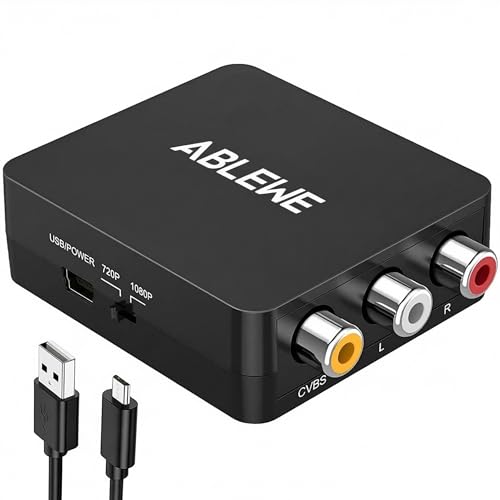
- RCA composite AV to HDMI conversion
- Simple plug-and-play setup
- Wide support for retro devices and TV standards
Best For: Users connecting older AV sources to HDMI TVs or monitors with minimal setup.
Best for 4K TV Compatibility
Sony STRDH590 5.2-Channel AV Receiver

- 4K HDR passthrough with HDCP 2.2
- Bluetooth for easy wireless streaming
- Simple 5.2-channel setup for home theater
Best For: Buyers who want a straightforward receiver for a 4K HDR TV and casual surround sound.
Best for Multi-Source 4K Switching – AVPro Edge AC-MV-41
If you need an av processor under 3000 that can cleanly combine multiple HDMI sources into one flexible 4K display, the AVPro Edge AC-MV-41 is built for that job. It supports up to four 4K/60 source windows, mixed SD/HD/UHD inputs, and a variety of layouts through the STILE app, making it a strong fit for presentation, control room, and home theater setups.
Best For: Users who want a versatile 4×1 multiview processor for showing several sources at once on a TV, monitor, or projector.
Pros:
- Shows up to four resizable 4K/60 source windows at once
- Supports mixed HDMI source types, from SD to Ultra HD
- HDMI 2.0 loop-through on each input adds installation flexibility
- STILE app control makes layout changes and switching easier
Cons:
- More specialized than a basic AV switcher
- May be overkill if you only need single-source playback
- Works best for buyers who will actually use multiview layouts
This is a practical pick if your priority is multi-source presentation rather than simple input switching. For shoppers comparing an av processor under 3000, the AC-MV-41 stands out for its flexible layouts, 4K/60 capability, and professional-style control options.
Best for 8K Gaming – Denon AVR-X1800H 7.2-Channel Receiver
If you want an av processor under 3000 that covers modern gaming and home theater basics without overcomplicating setup, the Denon AVR-X1800H is an easy fit. It brings 8K pass-through, Dolby Atmos/DTS:X support, and built-in HEOS streaming for a flexible small-to-medium room system.
Best For: Buyers who want a compact 7.2-channel AVR with strong HDMI 2.1 gaming support, wireless music streaming, and simple setup.
Pros:
- Three dedicated 8K inputs with 4K/120Hz pass-through for newer consoles and TVs
- Dolby Atmos, DTS:X, and virtual height processing for immersive surround sound
- Built-in HEOS, Wi‑Fi, Bluetooth, and AirPlay 2 for easy streaming
- Helpful setup guide and color-coded rear panel make installation less stressful
Cons:
- Not as powerful or expandable as higher-end AV receivers for large rooms
- Best suited to small and medium spaces rather than demanding speaker layouts
Overall, the AVR-X1800H is a smart av processor under 3000 if you care most about current-generation video support, convenient streaming, and an approachable feature set. It’s a well-balanced choice for buyers who want strong performance without paying for advanced extras they may not use.
Best for Zone-Based Control – AtlasIED AZM4 4-Zone Audio Processor
If you need an av processor under 3000 for a commercial install, the AtlasIED AZM4 stands out for its 4-zone DSP, flexible accessory expansion, and automation-friendly control. It’s built for spaces that need clean zone management, paging, and room-specific tuning without making the system hard to operate.
Best For: Restaurants, retail spaces, offices, and other multi-zone audio installs that need centralized control with room to expand.
Pros:
- 4-zone, 6×4 channel design for flexible audio routing
- Two RJ45 accessory ports for expansion and control options
- Built-in DSP tools, priority ducking, and speaker presets
- Good fit for automated, set-and-forget system management
Cons:
- More complex than a simple plug-and-play consumer processor
- Designed for pro installation, so setup may take planning
Overall, the AZM4 is a strong av processor under 3000 if your priority is flexible zone control rather than home-theater simplicity. It makes the most sense when you want dependable DSP, expandability, and centralized management in a commercial audio system.
Best for 8K Upgrade Path – Denon AVR-X1700H 7.2-Channel 8K Receiver
If you want an av processor under 3000 that feels ready for modern TVs and next-gen consoles, the Denon AVR-X1700H is a strong midrange pick. It pairs 7-channel amplification with Dolby Atmos, DTS:X, and a capable 8K HDMI section, making it a practical choice for building a flexible home theater without overcomplicating setup.
Best For: Buyers who want an affordable, future-ready receiver for 4K/8K video, immersive audio, and simple multi-room streaming.
Pros:
- 3 dedicated 8K HDMI inputs plus 1 output for modern source devices
- Supports Dolby Atmos, DTS:X, and height virtualization for immersive sound
- Built-in HEOS, AirPlay 2, Wi-Fi, Bluetooth, and voice control add convenience
- Quick Setup Guide and color-coded terminals make installation easier
Cons:
- 80W per channel is solid, but not ideal for very large or inefficient speakers
- Only two subwoofer pre-outs, so bass expansion is limited compared with higher-end models
The AVR-X1700H stands out if you need an av processor under 3000 that covers the essentials well: strong HDMI support, broad streaming options, and surround formats that won’t feel dated soon. It’s a sensible buy for most living-room theaters, especially when 8K readiness matters more than chasing extra luxury features.
Best DSP Controls – miniDSP 2×4 HD Digital Audio Processor
miniDSP 2x4 HD Digital Audio Signal Processor, Analog, USB, Toslink Audio Source, 4 Presets Stored
Check Price On AmazonIf you want an av processor under 3000 that prioritizes tuning flexibility over flashy features, the miniDSP 2×4 HD is a smart choice. It combines analog, USB, and TOSLINK input support with deep signal-processing tools, making it ideal for dialing in speakers, subs, or a compact home theater system.
Best For: DIY users, speaker builders, and home theater owners who need precise DSP control and multiple preset options.
Pros:
- 2-in/4-out design with USB DAC and 400MHz DSP in one box
- Strong tuning toolkit: PEQ, crossovers, delay, meters, FIR, and IIR filters
- Supports analog, USB, and TOSLINK sources with up to 4 stored presets
- Includes remote control, power supply, USB cable, and setup software access
Cons:
- Not a full-featured AV receiver replacement for HDMI-based systems
- Setup is best suited to users comfortable with DSP configuration
For buyers comparing an av processor under 3000, this miniDSP stands out less for cinematic bells and whistles and more for serious control. If your priority is correcting room response, managing crossovers, and saving presets for different listening setups, it delivers a lot of value in a small package.
Best for Everyday Use – Yamaha RX-A2A AVENTAGE 7.2-Channel AV Receiver
If you want an av processor under 3000 that leans into future-ready video and gaming features, the Yamaha RX-A2A is a strong contender. It combines AVENTAGE build quality with 8K/4K120 HDMI support, Dolby Atmos and DTS:X, plus Yamaha’s room correction and surround optimization for a well-rounded home theater setup.
Best For: Gamers and movie fans who want a 7.2-channel receiver with modern HDMI features, immersive audio, and multi-room flexibility.
Pros:
- Supports 8K60 and 4K120 on select HDMI inputs with ALLM and VRR for next-gen consoles
- Dolby Atmos, DTS:X, and Surround:AI create a dynamic, immersive soundstage
- YPAO R.S.C. with multipoint calibration helps tailor sound to your room
- Wi-Fi, Bluetooth, AirPlay 2, MusicCast, and major music services add easy streaming
Cons:
- Only three HDMI inputs support the highest 8K/4K120 formats
- 7.2 channels may feel limiting for buyers planning a larger Atmos layout
- No built-in 11-channel processing for more advanced expansion paths
For shoppers narrowing down an av processor under 3000, the RX-A2A stands out by balancing next-gen HDMI support, solid room correction, and Yamaha’s polished sound signature. It is especially appealing if gaming features matter as much as movie performance.
Best for Video Wall Signage – J-Tech Digital 4K 2×2 Video Wall Processor
If you need an av processor under 3000 that’s aimed more at display control than home-theater decoding, this J-Tech Digital video wall controller is a strong fit. It combines up to four HDMI displays into a 2×2 video wall, supports 4K input, and adds useful tools like audio extraction, image rotation, and edge masking for cleaner multi-screen installs.
Best For: Retail, lobby, command-center, and signage setups that need a simple 4-screen video wall with flexible layout control.
Pros:
- Supports 8 display modes, including common 2×2 and stretched wall layouts
- Audio extraction via optical and 3.5mm outputs for external sound systems
- 180° image rotation and edge masking help align bezels and improve the final image
- 4K@30Hz input with 1080p outputs keeps installation straightforward
Cons:
- Built for video walls, not full AV matrix switching or advanced processing
- 1×1 splitter mode does not support rotation or edge masking
- Outputs are limited to 1080p, so it’s not ideal if you need full 4K distribution
For buyers shopping an av processor under 3000 for digital signage or multi-display presentation work, this unit stands out for practical wall-building features rather than broad-purpose AV horsepower. It’s a focused, easy-to-deploy option when the goal is a clean four-screen layout with basic audio routing.
Best Value 5.1 Receiver – Yamaha RX-V385 5.1-Channel AV Receiver
If you want an affordable av processor under 3000 that still covers the core home-theater essentials, the Yamaha RX-V385 is a smart place to start. It delivers 5.1-channel surround sound, 4K Ultra HD pass-through, HDR10, Dolby Vision, and Bluetooth in a straightforward receiver that’s easy to build around.
Best For: First-time home theater buyers or anyone upgrading to a simple, reliable 5.1 setup on a tight budget.
Pros:
- 5.1-channel surround sound for a clean, traditional theater setup
- 4K Ultra HD, HDR10, Dolby Vision, and HDCP 2.2 support
- Bluetooth streaming and HDMI CEC for convenient everyday use
- YPAO auto-calibration helps simplify setup and tuning
Cons:
- Limited to 5.1 channels, so it won’t satisfy users wanting larger immersive systems
- Not as feature-rich as higher-end AV receivers
Overall, the RX-V385 stands out as a practical av processor under 3000 for buyers who care more about dependable performance and easy setup than advanced audio extras. It’s a strong value pick for small to mid-size home theaters.
Best for Easy AV-to-HDMI Conversion – ABLEWE RCA to HDMI Converter
If you need a simple way to connect older game consoles, VHS decks, or DVD players to a modern display, this AV processor under 3000 pick is a practical buy. It converts composite RCA input to HDMI output with up to 1080p support, and the plug-and-play design keeps setup straightforward.
Best For: Anyone who wants a low-hassle RCA-to-HDMI adapter for retro gear, basic home entertainment, or quick legacy-device hookups.
Pros:
- Converts RCA composite AV to HDMI for modern TVs and monitors
- Plug-and-play setup with no driver installation required
- Supports common PAL, NTSC, and SECAM source formats
- Works with many older devices like PS2, PS3, VCRs, and DVD players
Cons:
- Requires USB power to operate
- Not a full AV processor; it’s a converter for analog-to-HDMI signals
- Best suited for standard composite video, not higher-end analog inputs
For shoppers comparing an av processor under 3000, this model makes sense when the goal is compatibility and convenience rather than advanced processing features. It’s a solid choice for bringing old AV sources onto a digital screen without adding complexity.
Best for 4K TV Compatibility – Sony STRDH590 5.2-Channel AV Receiver
If you want an affordable av processor under 3000 that still handles modern TVs well, the Sony STRDH590 is a practical pick. It focuses on simple 5.2-channel home theater performance, Bluetooth streaming, and 4K HDR passthrough with HDCP 2.2 support, making it a solid match for a straightforward movie-and-TV setup.
Best For: Buyers who want an easy-to-use receiver for a 4K HDR TV, casual surround sound, and wireless music streaming.
Pros:
- 4K HDR passthrough with 4 HDMI inputs and HDCP 2.2 support
- Bluetooth connectivity for simple music streaming from a phone or tablet
- S-Force PRO virtual surround can help create a wider soundstage with fewer speakers
- Compact 5.2-channel design suits basic home theater systems
Cons:
- No built-in Wi-Fi, AirPlay, or streaming app ecosystem
- Limited to 5.2 channels, so it is not ideal for advanced surround setups
- Best suited for mainstream use rather than audiophile-grade tuning
For shoppers comparing an av processor under 3000, the STRDH590 stands out more for dependable essentials than for flashy extras. It is a good fit if you want modern video support, Bluetooth convenience, and a simple receiver that covers the basics without adding complexity.
How We Picked the Best Av Processor Under 3000
For this list, we prioritized real-world usefulness over spec-sheet marketing. That means strong HDMI support, dependable surround formats, stable networking or streaming features, and flexible inputs and outputs for mixed home theater setups. We also considered whether each model makes sense as an Av Processor Under 3000 for buyers who want a clear path to better sound without overspending.
Quick Comparison
The lineup includes full-featured AV receivers, compact signal processors, video wall and multi-view tools, and budget converters. Some models are best for traditional theater rooms, while others are better for multi-zone audio, source management, or niche video routing. If you want one box to drive speakers and video, focus on the AV receivers. If your system already has amplification, a dedicated processor or DSP may be the better fit.
Key Buying Factors for an Av Processor Under 3000
Channel Count and System Size
Choose a unit that matches your speaker layout today and gives you a little headroom for tomorrow. A 5.2 or 7.2 receiver is enough for many living rooms, while larger rooms or Atmos setups benefit from more processing flexibility.
HDMI and Video Support
Look for current HDMI features such as 4K HDR, eARC, and 8K passthrough if you want long-term compatibility. For gamers and projector owners, refresh-rate support and reliable switching matter just as much as raw resolution.
Audio Formats and Room Features
Dolby Atmos, DTS:X, and room correction can make a bigger difference than extra wattage on paper. If you listen in a shared space, built-in streaming and easy app control are also worth paying for.
Connectivity and Expansion
Make sure the unit has enough analog, optical, USB, and network options for your sources. For custom installs, multi-zone support and flexible routing may matter more than home-theater branding.
Who Should Buy Which Av Processor Under 3000?
If you want a straightforward home theater hub, choose one of the Denon, Yamaha, or Sony AV receivers. If your goal is source processing, audio optimization, or multi-room control, a miniDSP or AtlasIED unit may be more appropriate. For video distribution or display-mapping jobs, the AVPro Edge and J-Tech Digital options are the better fit. And if you just need to convert older analog gear to HDMI, the compact ABLEWE adapter is the simplest choice.
In short, the best Av Processor Under 3000 is the one that matches your setup type, not just your budget. Buy for your room size, input count, and upgrade path, and you’ll end up with a system that performs well now and stays useful later.