
If you’re looking to elevate your vocal recordings, Beyerdynamic offers a range of microphones that can meet your studio needs in 2025. With options like the PRO X M90 and MC 930, you’ll find models designed for both clarity and versatility. But there’s more to take into account beyond just sound quality. Let’s explore which microphones stand out and why they might be the perfect fit for your setup.
beyerdynamic TG V35 Dynamic Supercardioid Microphone

The Beyerdynamic TG V35 Dynamic Supercardioid Microphone is an excellent choice for beginners and vocalists looking to achieve studio-quality sound without breaking the bank. With its supercardioid polar pattern, it effectively rejects feedback, making it perfect for live performances. You’ll appreciate the flat, wide frequency response that reproduces sound accurately, while the treble resonator expands your upper frequency range. Its durable construction includes a noiseless on/off switch, and the included XLR cable and clamp make setup a breeze. Just remember to use quality cables for peak performance, and you’ll enjoy the solid sound quality this microphone delivers.
Best For: The Beyerdynamic TG V35 Dynamic Supercardioid Microphone is best for beginners, vocalists, DJs, and those performing in rehearsal rooms or live stage settings.
Pros:
- Excellent feedback rejection due to supercardioid polar pattern.
- Durable construction with a noiseless on/off switch for convenient use.
- Comes with essential accessories, including an XLR cable and clamp, for easy setup.
Cons:
- Performance can be sensitive to cable quality, requiring better cables for optimal sound.
- Some users report static noise when handling the microphone.
- Feedback on sound quality varies, with some experiencing issues with the on/off switch noise.
Beyerdynamic TG-V70DS Professional Dynamic Microphone for Vocals

For musicians and vocalists seeking a reliable microphone that excels in live performances, the Beyerdynamic TG-V70DS stands out with its hypercardioid polar pattern. This dynamic mic offers powerful sound quality with a marked proximity effect, delivering a warm and natural tone when you sing close to it. Its rugged construction guarantees durability on the road, while the lockable on/off switch adds convenience during performances. With a high gain before feedback and effective noise reduction, you’ll enjoy clear, polished sound across various genres. Weighing 1.4 pounds, it’s easy to handle, making it a solid choice for any serious performer.
Best For: Musicians and vocalists looking for a reliable dynamic microphone that excels in live performances with strong feedback resistance and a warm sound.
Pros:
- High gain before feedback, ensuring clear sound even in loud environments.
- Rugged construction designed for durability during touring and performances.
- Strong proximity effect that enhances vocal warmth when singing close to the microphone.
Cons:
- Weaker fit and finish compared to higher-priced competitors.
- Reports of poor packaging leading to potential damage during shipping.
- May require careful positioning to avoid overwhelming proximity effect if too close.
beyerdynamic PRO X M90 Side Addressed Condenser Microphone

With its high-performance design and 34mm true condenser capsule, the beyerdynamic PRO X M90 Side Addressed Condenser Microphone stands out as an ideal choice for vocalists and recording engineers seeking studio-quality sound. Its robust build guarantees durability, while the included accessories—a storage bag, double-layer pop filter with a flexible gooseneck, and elastic shock mount—enhance your recording experience. The shock mount effectively reduces rumbling noises, allowing you to focus on capturing pristine vocals. Whether you’re in a professional studio or a home setup, the M90 delivers reliable performance for various recording sessions, making it a worthy addition to your microphone collection.
Best For: The beyerdynamic PRO X M90 is best for vocalists and recording engineers seeking high-quality sound in both professional and home studio settings.
Pros:
- High-performance design with a 34mm true condenser capsule for studio-quality sound.
- Robust build quality ensures durability and longevity.
- Includes essential accessories like a storage bag, pop filter, and shock mount for an enhanced recording experience.
Cons:
- Side addressed design may not be suitable for all recording setups or techniques.
- Higher price point compared to entry-level microphones.
- Requires phantom power for operation, which may not be available in all setups.
beyerdynamic PRO X M70 Professional Microphone

Ideal for podcasters and home studio enthusiasts, the beyerdynamic PRO X M70 Professional Microphone delivers exceptional audio quality at an impressive value. Weighing just 320 grams, this dynamic mic features a professional XLR connection and an integrated dual-layer pop filter. Its 42 dB sensitivity and 70 dB signal-to-noise ratio guarantee clear voice recordings, while effective background noise rejection minimizes feedback. Users love its robust build quality and included accessories, like the elastic shock mount. At prices often under $100, it competes well against the Shure SM58 and Rode Podmics, making it a smart choice for various recording applications.
Best For: The beyerdynamic PRO X M70 is best for podcasters and home studio enthusiasts seeking high-quality audio at an affordable price.
Pros:
- Excellent sound quality for the price, making it a great value for budget audio.
- Effective background noise rejection and minimal feedback, ideal for home recording setups.
- Comes with useful accessories like an elastic shock mount and integrated pop filter.
Cons:
- Some users report a bright sound, particularly with sibilant sounds.
- Low hum may occur in specific setups, which could be a concern for some users.
- Not recommended for professional studio use, as it’s better suited for home applications.
Beyerdynamic MC 930 True Condenser Microphone – Cardioid
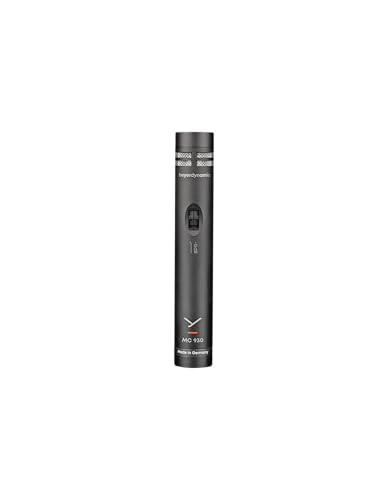
The Beyerdynamic MC 930 True Condenser Microphone stands out as an exceptional choice for musicians and audio professionals seeking studio-quality sound in a compact design. This small-diaphragm condenser mic features a cardioid polar pattern, ensuring focused sound capture while minimizing background noise. With a frequency response of 40Hz to 20kHz, it effectively handles a wide range of sound sources. Weighing just 1.14 pounds, it’s easy to position in various settings. Plus, its switchable low-cut filter and -15dB pad enhance versatility. Whether in the studio or on stage, you’ll appreciate its high-output performance and reliability.
Best For: Musicians and audio professionals seeking a compact, high-performance microphone for studio and live sound applications.
Pros:
- High-quality sound: Offers studio-quality audio performance with a wide frequency response.
- Versatile usage: Effective across various sound sources, making it suitable for both vocals and instruments.
- Compact design: Lightweight and easy to position, ideal for different setups.
Cons:
- Requires phantom power: Needs 11-52 volts of phantom power, which may limit usability with some equipment.
- Limited to cardioid pattern: Might not be suitable for capturing sound in omnidirectional scenarios.
- Price point: May be considered expensive for entry-level users or those on a tight budget.
beyerdynamic, Black (TG D35D)

For musicians and sound engineers seeking a reliable solution for miking drums and percussion, the beyerdynamic TG D35D stands out with its supercardioid polar pattern, ensuring high channel separation and exceptional sound quality. Weighing just 0.2 kg, this compact dynamic microphone is perfect for toms and snare, offering a frequency response tailored for peak performance. Users appreciate its robust plastic housing, included MKV 87 clamp, and transport bag. With a signal-to-noise ratio of 87 dB, it delivers clarity while remaining affordable. Compared favorably to the Shure SM57, the TG D35D is a solid choice for any setup.
Best For: Musicians and sound engineers looking for a compact and reliable microphone specifically designed for miking drums and percussion instruments.
Pros:
- Excellent sound quality with a frequency response tailored for toms and snare.
- Lightweight and compact design for easy positioning and transport.
- High signal-to-noise ratio of 87 dB, providing clarity in recordings.
Cons:
- Some concerns about durability against stick hits, though not widely experienced by users.
- Limited to one channel, which may not suit multi-instrument setups without additional microphones.
- Plastic housing may not appeal to those preferring metal construction for added durability.
NEUMANN KMS105-NI Vocalist Microphone, Nickel Color

Crafted for vocalists seeking studio-quality sound in live performances, the Neumann KMS105-NI Vocalist Microphone in nickel color stands out with its lightweight, elegant design and elastic shock-mounted supercardioid capsule. With three metal basket layers to reduce plosives, it delivers superior resolution and an extended frequency response from 20 Hz to 20 kHz. You’ll enjoy crystal-clear vocals, especially in lower frequencies. Its signal-to-noise ratio of 76 dB guarantees minimal background noise. While some users reported grounding issues, many praise its exceptional sound quality. If you want a reliable mic for live gigs, the KMS105-NI is a fantastic choice.
Best For: Vocalists seeking studio-quality sound in live performances with a lightweight and elegant microphone design.
Pros:
- Superior resolution and extended frequency response from 20 Hz to 20 kHz for crystal-clear vocals.
- Elastic shock-mounted supercardioid capsule and three metal basket layers effectively reduce plosives.
- High signal-to-noise ratio of 76 dB ensures minimal background noise during performances.
Cons:
- Some users have reported grounding issues with the microphone.
- A few defective units have been noted, which may affect reliability.
- Feedback on performance may vary based on individual experiences and comparisons with other brands.
Electro-Voice ND76 Dynamic Cardioid Vocal Microphone,Black

Designed for vocalists who demand clarity and presence, the Electro-Voice ND76 Dynamic Cardioid Vocal Microphone excels in live performance settings. With its large-diaphragm design, it delivers crisp and balanced vocal reproduction while minimizing stage noise. Weighing just 1.25 pounds, it’s easy to handle and transport. The shock-mounted capsule reduces handling noise, while the humbucking coil protects against unwanted line hum. Its durable Memraflex grille guarantees longevity, making it reliable in various environments. With a solid 4.4 out of 5-star rating, users rave about its excellent sound quality and low feedback issues—perfect for any serious vocalist looking to elevate their performance.
Best For: Vocalists seeking a high-performance microphone that delivers clarity and presence in live performance settings.
Pros:
- Excellent sound reproduction with balanced vocal presence, minimizing feedback issues.
- Durable design featuring a Memraflex grille and shock-mounted capsule for longevity and reduced handling noise.
- Lightweight and easy to handle, making it convenient for transport during performances.
Cons:
- Limited to one channel, which may not suit users requiring multi-channel setups.
- Corded electric power source, restricting mobility compared to wireless options.
- Higher impedance (350 Ohm) may require specific audio equipment for optimal performance.
AKG Pro Audio D5 C Professional Dynamic Microphone
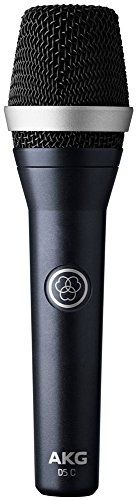
The AKG Pro Audio D5 C Professional Dynamic Microphone excels in delivering studio-quality sound that’s perfect for both small live gigs and expansive concert halls. Its cardioid polar pattern minimizes feedback, making it versatile for any setting. With a patented Varimotion diaphragm, you’ll enjoy crisp sound reproduction. The dual shock mount effectively eliminates handling noise, while the integrated pop filter reduces unwanted pops and wind noise. Weighing just 11.3 ounces, it’s lightweight yet durable, thanks to its spring-steel wire-mesh grille. Plus, with an impressive customer rating of 4.9 out of 5 stars, it’s clearly a favorite among musicians.
Best For: The AKG Pro Audio D5 C is best for musicians and performers seeking a reliable, high-quality microphone for both small gigs and large concerts.
Pros:
- Exceptional sound quality with a patented Varimotion diaphragm for crisp audio reproduction.
- Lightweight and durable design featuring a spring-steel wire-mesh grille, perfect for live performances.
- High customer satisfaction with a rating of 4.9 out of 5 stars based on 23 reviews.
Cons:
- Limited to a single channel, which may not suit all performance setups.
- Electrical power source required, potentially limiting portability compared to battery-operated microphones.
- Noisy on/off switch option only available in the D5 CS model, which may be a drawback for some users.
Electro-Voice RE320 Large Diaphragm Dynamic Vocal Microphone

For those seeking professional-grade sound quality in their recordings, the Electro-Voice RE320 Large Diaphragm Dynamic Vocal Microphone stands out with its exceptional tonal and transient response. Weighing just one pound, this mic’s variable-D pattern control minimizes tonal shifts while capturing vocals and instruments with impressive detail. The dual-voicing switch offers versatility for different applications, making it ideal for broadcasting, podcasting, and live performances. Users appreciate its low noise and proximity effect, ensuring consistent sound quality regardless of distance. Pair it with a strong preamp for peak performance, and you’ll elevate your recording experience considerably.
Best For: The Electro-Voice RE320 is best for professionals in broadcasting, podcasting, and live performance settings who seek high-quality sound reproduction.
Pros:
- Exceptional tonal and transient response for detailed sound capture.
- Versatile dual-voicing switch suitable for various applications.
- Rugged build quality ensures durability in demanding environments.
Cons:
- Requires a strong preamp for optimal performance due to low output.
- Higher price point compared to budget microphones.
- May necessitate additional equipment, such as a Cloudlifter, for best results in untreated spaces.
Factors to Consider When Choosing a Beyerdynamic Vocal Microphone
When choosing a Beyerdynamic vocal microphone, you’ll want to contemplate several key factors. Think about the type of microphone that best suits your needs, the importance of the polar pattern, and the frequency response range. Additionally, evaluating build quality and application suitability will help you find the perfect match for your sound.
Microphone Type Selection
Choosing the right Beyerdynamic vocal microphone hinges on several key factors that can largely influence your sound quality and performance experience. First, consider whether you need a dynamic or condenser microphone. Dynamic microphones are durable and excel in live settings, handling high sound pressure levels without distortion. On the other hand, condenser microphones offer a wider frequency response and are better for studio recordings, capturing intricate vocal details. Also, think about the microphone’s weight and form factor; lighter models can help reduce fatigue during long performances. Finally, look for features like shock mounts and pop filters, which can greatly improve vocal clarity by minimizing unwanted noise. These considerations will guarantee you select the best microphone for your needs.
Polar Pattern Importance
Understanding the polar pattern of a microphone is essential for achieving ideal sound quality during vocal performances. The polar pattern determines how sensitive a microphone is to sound from different directions. For instance, cardioid microphones primarily capture sound from the front, reducing noise from the sides and rear—perfect for crowded environments. If you’re in a live setting where feedback is a concern, consider a supercardioid pattern, which narrows pickup while still allowing some rear sensitivity. Hypercardioid microphones further tighten the pickup area, excelling in close-mic applications in loud venues. By grasping the polar pattern, you can select a Beyerdynamic microphone that effectively isolates your vocal sound while minimizing unwanted background noise.
Frequency Response Range
Selecting the right Beyerdynamic vocal microphone hinges on the frequency response range, as it directly impacts how well you capture your voice’s nuances. The frequency response, measured in Hertz (Hz), indicates the spectrum of sounds the microphone can accurately reproduce. A wider range enables you to capture both low and high frequencies, resulting in a more natural sound profile. Most vocal microphones cover 20 Hz to 20 kHz, encompassing the full spectrum of human hearing. A well-defined frequency response curve enhances your microphone’s ability to reproduce vocal subtleties, making it versatile for various styles. Tailored frequency responses can emphasize specific ranges, boosting vocal presence while minimizing background noise, ensuring your voice shines through in any recording.
Build Quality Considerations
When it comes to Beyerdynamic vocal microphones, build quality plays an essential role in ensuring durability and performance. Look for models made from durable materials like metal or high-quality plastic to guarantee longevity, especially during live performances and transport. A robust design often features shock mounts that minimize handling noise, enhancing sound clarity. Consider microphones with solid construction, including dent-resistant grilles that help maintain performance quality over time. Evaluate the weight and dimensions; a lighter, compact design facilitates portability without sacrificing sound quality. Additionally, check for protective features like integrated pop filters or moisture-resistant coatings, which boost reliability in various environments. Prioritizing these factors will lead you to a microphone that stands the test of time.
Application Suitability
How do you choose the right Beyerdynamic vocal microphone for your needs? First, consider the microphone’s polar pattern; a supercardioid or hypercardioid design offers excellent feedback rejection for live performances. Next, look for a high signal-to-noise ratio—ideally above 70 dB—to guarantee clarity and minimize background noise. Evaluate the frequency response range; a broader range (40Hz – 20kHz) enhances versatility for various vocal styles and instruments. Durability is also key, especially if you’ll use the microphone in touring or high-traffic environments. Finally, assess any included features like shock mounts or pop filters, which can greatly improve performance by reducing handling noise and plosives during vocal recordings. These factors will help you make an informed choice.
Accessories and Features
While considering a Beyerdynamic vocal microphone, it’s vital to pay attention to the included accessories and features that can greatly enhance your recording or performance experience. Many models come with essential items like XLR cables, clamps, storage bags, and pop filters, guaranteeing you’re ready to go right out of the box. Features such as on/off switches, shock mounts, and integrated pop filters help reduce handling noise and improve sound clarity. Look for specialized designs like supercardioid and hypercardioid polar patterns to minimize feedback and isolate your sound. Some microphones offer low-cut filters and -15dB pads, allowing you to tailor performance based on your environment. Finally, Beyerdynamic’s robust build quality guarantees durability for touring and live performances.