
Choosing the right headphones for vocal tracking can make a big difference in how cleanly you perform and how confidently you monitor yourself. The best closed-back designs help reduce bleed, improve isolation, and keep playback clear without distracting spill into the mic.
Below, we focus on practical picks for home studios, project studios, and mobile recording setups, with an emphasis on comfort, durability, and reliable performance for singers.
Best 10 Closed Back Studio Headphones for Vocal Tracking Picks for 2026
Studio Standard
beyerdynamic DT 770 Pro 80 Ohm

- Closed-back design minimizes leakage for tracking
- 80 ohm version is the most versatile studio option
- Velour pads and long cable suit extended sessions
Best For: Vocal tracking, monitoring, and long home-studio sessions
Monitor Staple
Sony MDR7506 Closed-Back Headphones

- Closed ear design helps reduce outside noise
- 40mm drivers aim for detailed monitoring sound
- Foldable frame with case is easy to store and carry
Best For: Recording, mixing checks, and portable studio monitoring
Budget Pick
TASCAM TH-02 Studio Monitor Headphones
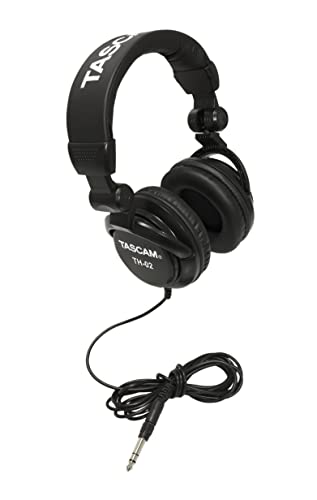
- Closed-back design helps with isolation during tracking
- 50mm drivers deliver clean sound with strong bass
- Foldable build and adapter add studio convenience
Best For: Affordable vocal tracking and entry-level home studios
Isolation Champion

- Up to 32 dB attenuation for strong isolation
- Replaceable pads, headband padding, and cord
- Collapsible design with coiled cable for studio use
Best For: High-isolation vocal tracking and monitoring
Budget-Friendly Monitoring Pick
FIFINE H8 Wired Studio Monitor Headphones

- 50mm drivers with balanced monitoring sound
- Closed-back design with passive noise canceling
- Lightweight build with detachable 3.5mm/6.35mm cables
Best For: Vocal tracking, podcasting, and entry-level home studios
Premium Isolation Choice
beyerdynamic DT 700 PRO X Closed-Back Studio Headphones

- STELLAR.45 drivers for detailed, balanced monitoring
- Soft velour pads and memory-foam headband for comfort
- Closed-back design with passive isolation and wide compatibility
Best For: Serious vocal tracking and long, accurate monitoring sessions
Classic Studio Standard
Audio-Technica ATH-M50X Professional Studio Monitor Headphones

- 45mm drivers with clear, accurate monitoring sound
- Circumaural isolation helps in loud recording spaces
- Swiveling earcups and detachable cable for tracking convenience
Best For: Vocal tracking and everyday studio monitoring
Reference-Monitor Value
AKG K72 Closed-Back Studio Headphones
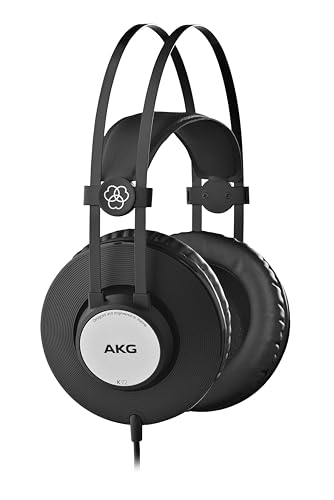
- Closed-back design helps limit mic bleed.
- Balanced sound suits vocal tracking.
- 40mm drivers reach 16 Hz to 20 kHz.
Best For: Vocal tracking on a budget and general studio monitoring.
Comfortable Tracking Pick
M-AUDIO HDH40 Studio Headphones

- Closed-back design helps reduce spill while tracking.
- Flexible headband and cushioning support long sessions.
- 2.7 m cable plus 1/4" adapter fits studio setups.
Best For: Singers and podcasters who want comfort and easy compatibility.
Pro Isolation Standard
beyerdynamic DT 770 PRO 32 Ohm

- Closed-back design helps block ambient noise.
- 32 ohm model is easy to drive from common devices.
- Lightweight fit and soft pads support long sessions.
Best For: Serious vocal tracking and critical studio monitoring.
Studio Standard – beyerdynamic DT 770 Pro 80 Ohm
If you want closed back studio headphones for vocal tracking with a more refined, long-session feel, the DT 770 Pro is built for exactly that kind of work. The 80 ohm version is positioned as the most versatile option for recording and professional monitoring, with a balanced response and strong sound isolation for booth use.
Best For: Vocal tracking, home studios, and critical monitoring when comfort matters over long sessions.
Pros:
- Closed-back design helps keep sound leakage low during vocal tracking
- 80 ohm tuning is described as the most versatile for studio use
- Black velour pads are designed for breathable, fatigue-free comfort
- 3m straight cable gives plenty of reach at a desk or in a booth
Cons:
- Wired-only design may not suit mobile or casual use
- Long cable can feel less convenient in very tight spaces
Overall, this is a strong pick if you want a durable, serviceable closed-back monitor that supports long recording days. It leans more toward studio practicality and accuracy than flashy extras.
Monitor Staple – Sony MDR7506 Closed-Back Headphones
The Sony MDR7506 is a classic choice if you need closed back studio headphones for vocal tracking and general monitoring. Its closed ear design is built to reduce outside noise, while the foldable frame and included case make it easy to keep nearby for recording or travel.
Best For: Engineers and creators who want a lightweight, proven monitoring headphone for recording and editing.
Pros:
- Closed ear design offers strong reduction of outside noise
- 40mm drivers and neodymium magnets are aimed at detailed sound
- Foldable construction makes storage and transport simple
- Includes a 1/4 inch adapter and soft case for studio convenience
Cons:
- Non-detachable cable limits replacement flexibility
- 90-day warranty is shorter than some studio competitors
For straightforward monitoring, the MDR7506 stays relevant because it focuses on the essentials. It is a practical, no-frills studio tool that fits easily into vocal sessions and everyday production work.
Budget Pick – TASCAM TH-02 Studio Monitor Headphones
The TASCAM TH-02 is an affordable way to get closed back studio headphones for vocal tracking, podcast work, and basic monitoring. It uses a closed-back dynamic design with a simple wired setup, making it a straightforward option when you need isolation and a familiar studio fit without a lot of extras.
Best For: Budget-conscious buyers who need a simple closed-back headphone for recording and casual studio use.
Pros:
- Closed-back dynamic design supports cleaner tracking and isolation
- 50mm drivers are tuned for rich bass, crisp highs, and clean sound
- Foldable build makes it easier to transport and store
- Includes a snap-on 1/4 inch adapter for studio gear
Cons:
- Plastic construction may feel less premium than higher-end models
- Less suited to users who want a more reference-style sound
If your priority is getting into tracking with a low-cost closed-back headphone, the TH-02 covers the basics well. It is especially appealing for home studios that want a practical monitoring option on a tight budget.
Isolation Champion – Sennheiser HD 280 Pro
The Sennheiser HD 280 Pro is a strong candidate if you need closed back studio headphones for vocal tracking with serious isolation. It is rated for up to 32 dB attenuation of outside sound, and the padded over-ear design is meant to stay comfortable through recording and fieldwork.
Best For: Vocal recording, monitoring, and anyone who values high isolation in a closed-back design.
Pros:
- Up to 32 dB attenuation helps keep tracking noise low
- Closed, around-ear design supports focused monitoring
- Replaceable earpads, headband padding, and cord improve long-term use
- Collapsible build and coiled cable work well in studio setups
Cons:
- Heavier than some lightweight studio alternatives
- Coiled cable may not suit every desk or booth layout
This model stands out when isolation is the top priority. If you record vocals near open microphones or in less-controlled environments, the HD 280 Pro gives you a practical monitoring solution with durable serviceability.
Budget-Friendly Monitoring Pick – FIFINE H8 Wired Studio Monitor Headphones
If you want closed back studio headphones for vocal tracking without overcomplicating your setup, the FIFINE H8 is a practical wired option. Its 50mm drivers aim for a balanced sound with clear mids and treble, while the closed-back design and passive noise canceling help keep outside noise down during recording, podcasting, or voiceover work.
Best For: Vocal tracking, podcast recording, and budget-conscious home studio monitoring.
Pros:
- 50mm drivers with a balanced sound profile for monitoring and recording
- Closed-back, passive noise-canceling design helps reduce environmental distractions
- Lightweight 265g build with soft padded ear cushions for longer sessions
- Includes detachable 3.5mm and 6.35mm cables for broad studio compatibility
Cons:
- Sound is tuned for monitoring rather than a heavily colored listening experience
- Wired-only design may not suit users wanting wireless convenience
The H8 makes sense if your priority is straightforward monitoring and comfort at an accessible price point. It gives you the isolation and connection flexibility needed for vocal recording, though it is best viewed as a dependable studio tool rather than a premium reference headphone.
Premium Isolation Choice – beyerdynamic DT 700 PRO X Closed-Back Studio Headphones
For closed back studio headphones for vocal tracking, the beyerdynamic DT 700 PRO X is built for long sessions where clarity and consistency matter. Its STELLAR.45 drivers, passive noise cancellation, and closed-back design are aimed at reliable monitoring across different playback devices, from audio interfaces to laptops and phones.
Best For: Serious vocal tracking, long studio sessions, and users who want pro-grade comfort and durability.
Pros:
- STELLAR.45 drivers deliver detailed, punchy, balanced studio sound
- Soft velour ear pads and memory-foam headband support extended comfort
- Closed-back design with passive noise cancellation helps with isolation
- Works with many devices thanks to its 48-ohm design and included cables
Cons:
- Higher-end build and features may be more than casual users need
- Focuses on accurate monitoring rather than boosted bass or flashy tuning
This model stands out if you want a dependable tracking headphone that prioritizes accuracy, comfort, and build quality. It is especially appealing for users who spend long hours recording and need a closed-back option that stays composed on multiple playback sources.
Classic Studio Standard – Audio-Technica ATH-M50X Professional Studio Monitor Headphones
The Audio-Technica ATH-M50X is a familiar choice for closed back studio headphones for vocal tracking because it combines sound isolation with a proven monitoring-friendly tuning. With 45mm drivers, circumaural earcups, and a detachable cable, it is designed to give you clear tracking support in noisy environments.
Best For: Vocal tracking, monitoring, and users who want a widely trusted studio headphone with strong isolation.
Pros:
- Proprietary 45mm drivers deliver clear sound with accurate bass response
- Circumaural design and sound isolation help in louder recording spaces
- 90-degree swiveling earcups make one-ear monitoring easier
- Detachable cable and included accessories add everyday studio convenience
Cons:
- Does not include the premium comfort materials found on some higher-end models
- Sound profile is built for monitoring, not for casual listening emphasis
This is the safest all-around pick if you want a known studio workhorse for tracking vocals. It balances isolation, durability, and practical monitoring features in a way that suits both home studios and more established recording setups.
Reference-Monitor Value – AKG K72 Closed-Back Studio Headphones
If you want closed back studio headphones for vocal tracking without spending more than you need to, the AKG K72 is built around isolation and a balanced response. Its closed-back design helps keep click bleed out of the mic, while the 40mm drivers aim for a clear midrange that can reveal vocal detail during tracking.
Best For: Vocal tracking, basic studio monitoring, and users who want affordable isolation with a balanced sound.
Pros:
- Closed-back design helps reduce headphone bleed into the microphone.
- Precisely balanced response is tuned for reference-monitor style accuracy.
- 40mm drivers cover a wide 16 Hz to 20 kHz frequency range.
- Extended low end can help when checking kick and bass balance alongside vocals.
Cons:
- Wired-only design may be less convenient for casual listening setups.
- Passive isolation is good, but it is still a budget-style studio headphone.
- Bulky over-ear fit may not suit everyone for long sessions.
The K72 is a practical entry-level pick when the priority is hearing vocals clearly while keeping tracking bleed under control. It is especially appealing if you want a simple studio tool that also works with portable devices.
Comfortable Tracking Pick – M-AUDIO HDH40 Studio Headphones
The M-AUDIO HDH40 is aimed at closed back studio headphones for vocal tracking when comfort and simple compatibility matter. Its closed-back, sound-isolating design helps reduce spill, and the 40mm driver plus 32 ohm impedance make it easy to use with a wide range of gear.
Best For: Vocal tracking, podcasting, and long sessions where a comfortable fit and easy device compatibility matter.
Pros:
- Closed-back design and sound isolation help keep monitoring contained during recording.
- Flexible headband and leather cushioning are built for extended listening comfort.
- 32 ohm impedance and 95 dB sensitivity work with many devices.
- 2.7 m cable and included 1/4″ adapter make it easy to connect to studio gear.
Cons:
- Frequency response is listed differently in the specs than in the marketing bullet, so the published details are a little inconsistent.
- Fixed cable may not suit users who prefer removable connections.
- More of a practical studio tool than a premium monitoring option.
Overall, the HDH40 looks like a straightforward workhorse for singers who need isolation and comfort during recording. It is a sensible choice if you want a low-fuss wired headset that plugs into both portable devices and pro audio hardware.
Pro Isolation Standard – beyerdynamic DT 770 PRO 32 Ohm
For closed back studio headphones for vocal tracking, the beyerdynamic DT 770 PRO is the most established monitoring-style option in this group. Its closed-back design is specifically described as blocking ambient noise and helping keep room sound out, which is exactly what you want when recording vocals and monitoring detail.
Best For: Serious vocal tracking, critical listening, and studio users who want strong isolation with a proven pro feel.
Pros:
- Closed-back construction is designed for isolation and focus during recording.
- 32 ohm version is easy to drive from phones, laptops, and consoles.
- Softskin leatherette pads and lightweight build support long sessions.
- 1.6 m straight cable and included threaded adapter suit close-in studio use.
Cons:
- 32 ohm tuning may be overly sensitive with higher-output gear, making volume control trickier.
- Straight cable is shorter than some studio alternatives.
- Premium positioning may be more headphone than casual listener needs.
This is the safest all-around pick if you want a familiar studio standard for vocal tracking and editing. The combination of isolation, comfort, and replaceable parts makes it a strong long-term tool for regular recording work.
How We Picked These Closed Back Studio Headphones for Vocal Tracking
For vocal recording, we looked for models that balance isolation, comfort, and accurate-enough monitoring to help singers hear timing, pitch, and effects clearly. We also favored headphones with strong build quality, dependable wired connections, and pads that can handle longer sessions.
Because closed-back studio headphones for vocal tracking often live near a live mic, we paid close attention to sound leakage, clamping comfort, and practical impedance options for audio interfaces, mixers, and laptops.
Quick Comparison
If you want a simple way to narrow the field, start with your setup. Lower-impedance models are easier to drive from portable gear, while higher-impedance versions can pair well with stronger headphone outputs. If isolation is your top priority, lean toward models known for tighter sealing and higher attenuation. If comfort matters most for long sessions, prioritize lighter builds and softer pads.
Key Buying Factors for Closed Back Studio Headphones for Vocal Tracking
Isolation and Bleed Control
Good isolation helps keep click tracks and guide vocals out of the microphone. Look for a sealed earcup design and enough passive attenuation to support louder cue mixes without forcing the singer to strain.
Comfort During Takes
Singers often wear headphones for extended periods, so weight, headband pressure, and pad material matter. A comfortable fit is especially important when comping multiple takes or tracking harmonies.
Sound Signature
You do not need ultra-flat mastering headphones for tracking, but you do want clear mids, controlled bass, and crisp enough detail to hear phrasing and timing. For Closed Back Studio Headphones for Vocal Tracking, an overly boomy sound can make cue mixes less useful.
Impedance and Source Compatibility
Check whether your interface can drive the headphones properly. Easy-to-drive models are convenient for compact rigs, while higher-impedance pairs may sound better with stronger headphone amps.
Cable and Build Practicality
Detachable cables, sturdy swiveling cups, and replaceable pads can extend the life of the headphones. These features are useful in busy studios where gear gets used every day.
Who Should Buy Which Closed Back Studio Headphones for Vocal Tracking?
Choose a more isolated, studio-focused pair if you track vocals in the same room as your mic and need to control bleed. Pick a lighter, easier-to-drive model if you record on the move or use a simple interface. If comfort and long-session reliability matter most, prioritize models with proven wearability and durable construction. For most vocal tracking setups, the best choice is the one that gives the singer a clean cue mix, stays comfortable, and keeps leakage low enough to protect the recording.