
Low-light camera work demands more than a sensitive sensor. Your crane, jib, or gimbal must stay stable and controllable when shadows, long exposures, and limited visibility make every movement easier to notice.
This roundup covers full-size jibs, compact mini cranes, low-light camera modules, night-vision cameras, and handheld gimbals so you can match your setup to the shot, payload, and production environment.
Best 10 Low-Light Camera Cranes Picks for 2026
Compact Low-Light Rig

- 33-pound maximum load
- 85-inch carbon-fiber reach
- Supports low-angle and inverted shots
Best For: Portable jib-style camera movement and creative angles
USB Low-Light Capture
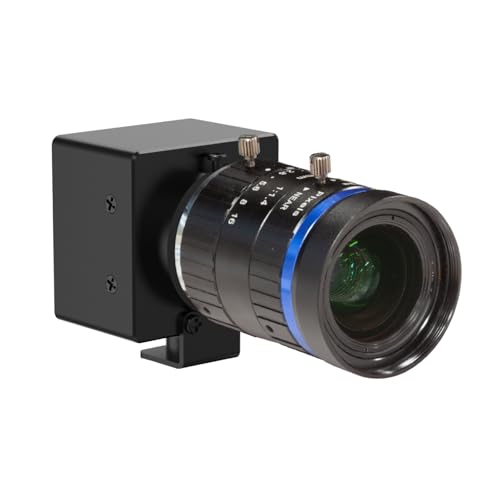
- 4K IMX585 low-light sensor
- 90fps 720p USB 3.0 video
- Manual 16mm C-mount lens
Best For: Computer-based low-light video capture setups
Extended Production Reach

- 17.6-pound payload capacity
- 14-foot or 10-foot configurations
- 270-degree platform tilt
Best For: Large-set crane shots with gimbals or pan-tilt heads
Marine Night Vision

- Moonless-starlight color video
- IP67-rated marine enclosure
- Analog, Wi-Fi, and Bluetooth connectivity
Best For: Boat-mounted nighttime navigation and monitoring
Heavy-Duty Jib Pick

- Supports up to 25kg/55lb
- Dual-rail design with 360° panning
- Quick setup with included bag
Best For: Heavy camera packages and professional jib shots
Low-Light Module Pick

- Rated for 0.0001-lux low-light capture
- 1080p at 30fps with 100dB HDR
- UVC plug-and-play USB design
Best For: Compact embedded and low-light video systems
Portable Crane Pick

- Supports up to 8kg/17.6lb
- Automatic and manual platform tilt
- Two-section aluminum build with bag
Best For: Portable jib work with DSLR and mirrorless setups
Pro Fill-Light Stabilizer

- Built-in 10W, 3200-lux fill light
- Supports camera setups up to 2000 g
- Switches between landscape and portrait modes
Best For: Full-frame camera users needing stabilized movement and integrated lighting
Long-Reach Carbon-Fiber Jib

- 85-inch reach with 33-pound load capacity
- Carbon-fiber tube built for rigidity
- Supports low-angle and upside-down mounting
Best For: Production setups requiring long-reach jib movements and heavy payloads
Compact Run-and-Gun Light Gimbal

- 549 g body for portable shooting
- Integrated 1000-lumen fill light
- Designed for lightweight mirrorless cameras
Best For: Mobile filmmakers using lightweight mirrorless cameras in dim conditions
Compact Low-Light Rig – IFOOTAGE M1 III Mini Jib
For low-light camera cranes where portability and controlled movement matter, the IFOOTAGE M1 III provides an 85-inch carbon-fiber arm with a 33-pound maximum load. Its low-profile adapter, flexible tilt platform, and accessory mounting points make it adaptable for creative video setups.
Best For: Filmmakers needing a compact, adjustable jib for low-angle, overhead, or smooth vertical and horizontal camera moves.
Pros:
- 33-pound load capacity with a rigid 20-layer carbon-fiber square tube.
- 85-inch extendable reach and adjustable platform tilt up to 25 degrees.
- Supports low-angle and upside-down mounting, with 1/4-inch and 3/8-inch accessory threads.
Cons:
- Weighs 13.2 pounds and may require a substantial support setup.
- Its 85-inch reach is shorter than that of full-size production jibs.
The M1 III is a versatile choice when you want crane-style motion without the footprint of a larger arm. The included water bag and multiple quick-release options add practical flexibility for mobile shoots.
USB Low-Light Capture – Arducam IMX585 4K Camera
Although it is a camera module rather than a jib, the Arducam IMX585 is relevant to low-light camera cranes because its compact USB design can be paired with a supported crane-mounted computer or streaming setup. The 4K sensor, manual 16mm lens, and 90fps 720p mode target detailed video in demanding lighting.
Best For: Computer-based video capture, monitoring, and specialized crane-mounted applications that need low-light performance and UVC connectivity.
Pros:
- 4K IMX585 sensor designed for low-light performance.
- USB 3.0 connectivity with video capture up to 90fps at 720p.
- Manual focus and adjustable-aperture 16mm C-mount lens provide optical control.
Cons:
- It is a camera module, not a complete camera crane or jib arm.
- Manual focus requires user adjustment for changing distances.
- Some firmware batches may restrict available resolution and frame-rate options.
The Arducam makes the most sense as a specialized imaging component for a low-light crane workflow, especially where Windows or Linux plug-and-play support is useful. Confirm firmware behavior if consistent resolution and frame-rate selection is important.
Extended Production Reach – Proaim 14ft Camera Crane
For low-light camera cranes used in larger production spaces, the Proaim P-14 offers a 14-foot configuration, a stated 17.6-pound payload, and a two-arm structure designed for stable movement. It can also be assembled at 10 feet when a tighter setup is more practical.
Best For: Production crews seeking long sweeping movements, elevated viewpoints, and support for gimbals or pan-tilt heads.
Pros:
- 14-foot reach can provide up to 15 feet of height with a 5-foot stand.
- Supports cameras, gimbals, and heads up to 8kg/17.6 pounds.
- 270-degree platform tilt range enables overhead and near-inverted angles.
- Modular 14-foot and 10-foot configurations with storage bags included.
Cons:
- Its 16kg weight and large dimensions make transport and setup demanding.
- A separate stand is needed to achieve the stated 15-foot height.
The P-14 is built for scale rather than quick handheld portability. Its variable length, thrust roller bearings, monitor mount, and auto/manual tilt modes make it a strong fit for planned shoots requiring broad, controlled crane movement.
Marine Night Vision – SiOnyx Nightwave Camera
The SiOnyx Nightwave is not a crane arm, but it is a specialized low-light camera for marine setups where a mounted, weather-resistant view is more important than cinematic jib movement. Its moonless-starlight sensitivity, 44-degree field of view, and analog or wireless connectivity support nighttime situational awareness.
Best For: Boat-mounted night navigation and outdoor monitoring in low-light conditions.
Pros:
- Designed to capture color video in moonless starlight without white light.
- IP67-rated enclosure is designed to withstand water, sand, salt, and dust.
- Offers analog video connections plus Wi-Fi and Bluetooth app connectivity.
- Night vision range is listed at up to 150 meters.
Cons:
- It is a marine night-vision camera, not a camera crane or jib system.
- Requires 12V DC or 5V USB power and a suitable mounting surface.
- The 44-degree field of view is narrower than a wide-angle action-camera view.
The Nightwave is best treated as a dedicated low-light imaging head for marine equipment rather than a general filmmaking camera. Its rugged enclosure and flexible output options are useful when nighttime visibility and installation durability take priority.
Heavy-Duty Jib Pick – Proaim 7' Wave-2 Jib Crane
For filmmakers comparing low-light camera cranes, the Proaim Wave-2 is a strong choice when your camera, gimbal, or pan-tilt setup needs substantial payload capacity. Its dual-rail construction, 360-degree panning range, and telescopic design are suited to controlled sweeping shots in indoor or outdoor productions.
Best For: Professional crews using heavier camera packages and compatible 75mm or 100mm fluid heads.
Pros:
- Supports cameras and compatible setups up to 25kg/55lb.
- Dual-rail design helps provide strength and stability.
- Works with 75mm/100mm fluid heads, pan-tilt remote heads, and 3-axis gimbals.
- Tool-free setup, storage bag, and bubble leveler support mobile production.
Cons:
- At 40 pounds, it is considerably heavier than a compact jib.
- Its large payload capacity may be unnecessary for lightweight camera systems.
The Wave-2 is best viewed as a production-oriented crane rather than a minimalist travel accessory. Choose it when stability, compatibility, and payload headroom matter more than keeping the rig exceptionally light.
Low-Light Module Pick – ELP Starvis USB Camera Module
Among low-light camera cranes and embedded video systems, this ELP module is a compact camera board rather than a mechanical crane. Its Starvis sensor, stated 0.0001-lux low-light rating, 100dB HDR, and wide-angle lens make it useful when a crane-mounted or fixed camera needs a small USB imaging solution.
Best For: Raspberry Pi, computer-vision, surveillance, streaming, and other compact low-light camera installations.
Pros:
- Designed for low-light use with a stated 0.0001-lux rating and 100dB HDR.
- Provides 1080p video at up to 30fps in H.264 or MJPEG.
- Compact 100-degree lens design offers a wide field of view.
- UVC plug-and-play compatibility supports Windows, Linux, Android, Mac, and Raspberry Pi.
Cons:
- This is a USB camera module, not a camera crane or jib arm.
- Fixed-focus operation limits focusing flexibility.
- It is not water resistant.
This module makes sense when low-light capture and small dimensions are the priority. It does not provide crane movement, so pair it with a separately compatible support system if you need elevated or sweeping shots.
Portable Crane Pick – Proaim 9ft Camera Jib Arm
For low-light camera cranes paired with DSLR, mirrorless, camcorder, or compact cinema setups, the Proaim 9ft jib offers a longer reach without the weight of a heavy-duty arm. Its two-section aluminum construction, platform tilt control, and support for several camera-head types suit mobile crews shooting reveals, elevated views, and sweeping movements.
Best For: Small production teams that need a portable 9-foot jib for camera packages up to 8kg/17.6lb.
Pros:
- Supports cameras and compatible heads up to 8kg/17.6lb.
- Accepts compatible 3-axis gimbals, motorized pan-tilt heads, and fluid heads.
- Cable-assisted leveling and rear handle provide automatic and manual tilt control.
- Separates into two sections and includes a carrying bag for transport.
Cons:
- Its payload is much lower than the Wave-2’s 25kg capacity.
- The crane requires compatible camera heads, which are not specified as included.
- It is not water resistant.
The P-9ft is a practical middle ground for crews that want a full-size jib perspective with manageable transport. Confirm your camera, gimbal, or head stays within the 8kg limit before choosing it for a low-light production package.
Pro Fill-Light Stabilizer – ZHIYUN Crane 4 Combo
For low-light camera cranes in a handheld setup, the ZHIYUN CRANE 4 stands out by combining three-axis stabilization with a built-in 10W fill light. Its full-frame camera support, landscape-to-portrait switching, and adjustable sling grip make it suited to controlled movement shots when you need both stability and added illumination.
Best For: Full-frame DSLR and compact cinema camera users who want stabilized shooting with integrated fill lighting.
Pros:
- Built-in 10W fill light reaches up to 3200 lux, with CRI 95+ and 2700K–5500K color temperature adjustment.
- Supports cameras up to 2000 g, including compatible DSLR, mirrorless, and compact cinema cameras.
- Quick-release design supports native landscape and portrait shooting modes.
- Adjustable sling grip and wrist rest help with movement control and shooting comfort.
Cons:
- At 2000 g, it is substantially heavier than compact gimbals.
- The listed dimensions and full-frame support make it less suited to ultralight travel setups.
- It is not water resistant.
The CRANE 4 is the most capable choice here for heavier camera packages and low-light work where a built-in, high-CRI light is useful. Choose it when stabilization, camera capacity, and lighting flexibility matter more than minimizing weight.
Long-Reach Carbon-Fiber Jib – IFOOTAGE Mini Crane M1 III
The IFOOTAGE Mini Crane M1 III is a true jib-style option for low-light camera cranes, offering an 85-inch reach and a 33-pound maximum load. Its carbon-fiber square tube, adjustable tilt, and accessory mounting points make it better suited to deliberate camera moves than handheld gimbal operation.
Best For: Studio and production users who need long, smooth jib movements with heavier cameras or accessories.
Pros:
- Extends to 85 inches and supports loads up to 33 pounds.
- 20-layer carbon-fiber square tube is designed for rigidity and stability.
- Supports low-angle and upside-down mounting with the low-profile adapter and ball head bowl.
- Includes multiple mounting threads for accessories such as monitors, video lights, and support arms.
Cons:
- Its jib design requires more setup space and is less portable than a handheld gimbal.
- It does not include an integrated low-light fill light; a video light can be mounted separately.
- This listing is described as a like-new item with a defective box.
For sweeping overhead, low-angle, or focus-pull movements, the M1 III offers considerably more reach and payload capacity than the handheld alternatives. It is the practical pick when a stable jib platform and accessory support are more important than quick run-and-gun operation.
Compact Run-and-Gun Light Gimbal – ZHIYUN Crane M2S
For lightweight low-light camera cranes in a run-and-gun format, the ZHIYUN CRANE-M2S combines a 549 g body with three-axis stabilization and an integrated 1000-lumen fill light. Its compact design and quick-release plate suit lightweight mirrorless cameras, though the product is not intended for heavy camera and lens combinations.
Best For: Lightweight mirrorless camera users filming mobile, stabilized footage in dim environments.
Pros:
- Integrated fill light provides up to 1000 lumens with five brightness levels and four color filters.
- Lightweight 549 g body is designed for portable run-and-gun shooting.
- Three-axis stabilization supports portrait, landscape, sports, night, and other listed shooting modes.
- V-shaped quick-release plate with dual safety locks helps streamline camera changes.
Cons:
- Designed only for lightweight mirrorless cameras and lenses, not heavy setups.
- The built-in light is fixed at a 5500K color temperature.
- Camera balance must be set correctly before powering on for best performance.
The CRANE-M2S is the easiest option here to carry and deploy for handheld low-light shooting. Its built-in light is useful for quick illumination, but users with heavier cameras or more demanding lighting needs should move up to the CRANE 4 or use the IFOOTAGE jib.
How We Picked These Low-Light Camera Cranes
We compared the selected products by considering movement control, payload support, mounting compatibility, low-light capability, portability, and intended use. The list includes true camera cranes and jib arms, along with specialized cameras and gimbals that can complete a low-light motion setup. Because these products serve different roles, the best choice depends on whether you need a sweeping elevated shot, compact tabletop movement, stabilized handheld footage, or dependable image capture in near-dark conditions.
Always confirm current specifications, included accessories, and compatibility with your camera, lens, fluid head, gimbal, or mounting hardware before buying.
Quick Comparison
| Best For | Recommended Type | What to Prioritize |
|---|---|---|
| Large cinema cameras and long rises | 14-foot or 9-foot jib | Payload rating, rigidity, counterbalance, and transport size |
| Compact studios and controlled sets | Mini jib or carbon-fiber arm | Weight, mounting options, and smooth short-range movement |
| Night monitoring and marine use | Ultra-low-light or night-vision camera | Sensor sensitivity, connectivity, weather resistance, and display compatibility |
| Mobile mirrorless production | Three-axis gimbal | Camera payload, balancing range, battery life, and control modes |
Key Buying Factors for Low-Light Camera Cranes
Payload and Balance
Check the complete operating weight, including the camera body, lens, battery, monitor, focus motor, and accessories. A crane rated well above your actual load is generally easier to balance and operate smoothly. Do not confuse a jib arm’s payload rating with the capacity of the fluid head or gimbal mounted on it.
Reach, Movement, and Rigidity
Longer arms create more dramatic vertical and horizontal movement but also require more space, counterweight, and careful setup. Telescoping designs improve transportability, while carbon-fiber arms can reduce weight. For low-light shots, rigidity matters because vibration becomes especially visible with slower shutter speeds or high magnification.
Camera Sensitivity and Connectivity
A stable crane cannot compensate for poor night imaging. Look for a suitable sensor, usable gain performance, manual exposure control, and the output format your monitor or recorder accepts. USB low-light modules may suit computers, inspection, or fixed installations, while dedicated night-vision cameras are better for specialized outdoor observation.
Setup and Operating Conditions
Verify the required fluid-head size, mounting thread, counterweights, power source, and available floor space. Outdoor or marine work also calls for appropriate protection from moisture, temperature changes, and accidental impact.
Who Should Buy Which Low-Light Camera Cranes?
Choose a full-size Proaim jib when you need elevated, sweeping movements with a heavier camera or gimbal. A 7-foot model is a practical middle ground, while a 9- or 14-foot arm suits larger sets and more pronounced reach. Select an IFOOTAGE mini jib for compact productions, studio demonstrations, tabletop work, or easier transport.
Choose a low-light camera module when the imaging device itself is the priority, particularly for computer-connected, inspection, or fixed-camera applications. A dedicated night-vision camera is more appropriate for rugged marine or outdoor monitoring. Finally, choose a Zhiyun gimbal when mobility and handheld stabilization matter more than crane height; the Crane 4 is suited to larger camera packages, while the Crane M2S is aimed at lighter mirrorless setups.