
Royer has built a strong reputation for smooth, natural ribbon microphones that handle guitars, vocals, drums, and stereo recording with ease. If you want the classic ribbon sound with modern reliability, this roundup helps narrow the field.
Below, you’ll find 10 of the best Royer ribbon microphone options for 2026, along with a practical buying guide to help you match the right model to your studio, stage, or broadcast setup.
Best 10 Royer Ribbon Microphone Picks for 2026
Flexible all-round ribbon
Versatile Royer Ribbon for Tracking Loud and Quiet Sources
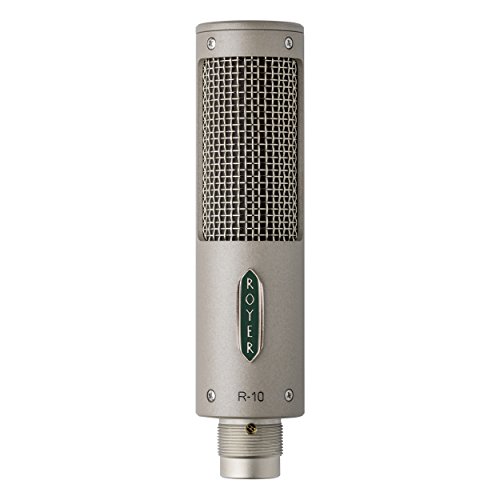
- High SPL handling with custom transformer
- Open grill design reduces comb-filtering effects
- Brighter backside option for lower-SPL sources
Best For: Players and engineers who need one ribbon mic for many sources
Straightforward studio ribbon
Compact Figure-8 Ribbon for Recording and Live Sound
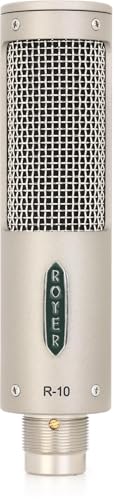
- Bidirectional figure-8 pattern
- Stainless steel enclosure
- 2-year warranty included
Best For: Shoppers who want a simple R-10 for studio and live use
Classic guitar ribbon
Studio Ribbon for Electric Guitars and More

- Known for electric guitars and demanding sources
- High SPL handling without active electronics
- Lifetime warranty and very low residual noise
Best For: Engineers seeking the classic Royer ribbon sound for guitar cabs
High-output active ribbon
High-Output Ribbon with Filtered Close-Mic Control
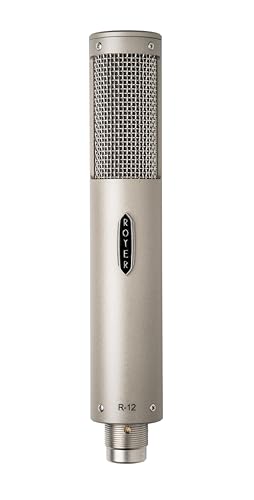
- Active circuitry boosts output for quieter sources
- High-pass filter helps reduce proximity buildup
- Wind screen and shock mount improve close-mic control
Best For: Users who want an active ribbon for quieter sources and close miking
Studio-Ready Bundle
Royer R-121 with RSM-SS1 Shockmount

- Includes R-121, shockmount, and wooden presentation box
- Bidirectional figure-8 ribbon design
- Stainless steel enclosure with 2-year warranty
Best For: Users who want the R-121 bundled with essential studio accessories
Compact Performance Bundle
R-10 with dBooster Inline Preamp

- R-10 bundle includes dBooster, swivel mount, and case
- Compact mini XLR ribbon mic with figure-8 pattern
- dBooster designed to increase output up to four times
Best For: Recording, live sound, podcasting, and broadcasting setups
Classic Studio Choice

- Standalone R-121 studio ribbon microphone
- Dynamic ribbon with bidirectional figure-8 pattern
- Includes wooden presentation box and 2-year warranty
Best For: Shoppers who want the standard R-121 without extra accessories
Stereo Capture Specialist
SF-12 Stereo Ribbon Microphone

- True stereophonic capture from one mic
- Passive ribbon with no active electronics
- Handles high SPL dynamic performances
Best For: Stereo engineers using Blumlein or M-S recording
Active Studio Ribbon
Royer SF-2 Active Ribbon Microphone

- Active ribbon design for studio recordings
- Bidirectional polar pattern
- Corded electric power source
Best For: Studio recordists wanting an active Royer ribbon mic
Matched Pair Value
R10 Hot Rod 25th Anniversary Ribbon Mic Pair

- Matched pair for two-channel recording
- Passive ribbon with R-121 transformer
- Figure-8 bidirectional polar pattern
Best For: Studios needing a matched pair for stereo or paired recording
Flexible all-round ribbon – Versatile Royer Ribbon for Tracking Loud and Quiet Sources
If you want a royer ribbon microphone that can handle a wide range of studio and live tasks, the R-10 is built to be a practical all-rounder. Its open grill design, high SPL capability, and offset ribbon layout make it suitable for everything from loud guitar cabs to quieter acoustic sources, with the option of a brighter backside response when needed.
Best For: Engineers and musicians who need one ribbon mic for electric instruments, acoustics, vocals, and live use.
Pros:
- High SPL handling with a custom designed transformer to minimize saturation.
- Open grill design helps reduce standing waves and comb-filtering effects.
- Figure-8 pattern and low-noise humbucking ribbon transducer support clean capture.
- Offset ribbon design offers a brighter backside option for lower-SPL sources.
Cons:
- Ribbon microphones are generally best used with care around strong air blasts.
- Figure-8 pickup is less forgiving in untreated rooms than a cardioid design.
For a royer ribbon microphone that aims to cover the most ground, the R-10 is the most flexible choice in this group. It combines Royer’s ribbon character with features that make it easier to use on modern recording and live setups.
Straightforward studio ribbon – Compact Figure-8 Ribbon for Recording and Live Sound
The Royer R-10 ribbon microphone in this version is positioned as a straightforward dynamic ribbon for studio recordings and live sound. With its bidirectional figure-8 pattern, stainless steel enclosure, and 2-year warranty, it focuses on the core ribbon mic formula without extra complexity.
Best For: Buyers who want a simple Royer R-10 ribbon microphone for studio and live applications.
Pros:
- Figure-8 polar pattern provides bidirectional pickup.
- Stainless steel enclosure adds a durable build.
- Designed for studio recordings and live sound use.
- Backed by a 2-year warranty.
Cons:
- Supplied details are sparse compared with other Royer listings.
- No included accessories are listed in the provided notes.
If you are comparing Royer ribbon microphone options and want the essentials, this R-10 listing keeps the focus on format and use case. It is a no-frills pick for users who already know they want a bidirectional ribbon sound.
Classic guitar ribbon – Studio Ribbon for Electric Guitars and More
The R-121 is one of the best-known names in the Royer ribbon microphone lineup, and its notes make clear why it remains a favorite for electric guitars. It uses a figure-8 pattern, has high SPL capability, and relies on patented offset ribbon technology to preserve full frequency response during loud recording sessions.
Best For: Guitar-focused studio work and other sources that benefit from a classic Royer ribbon sound.
Pros:
- Known for electric guitars and other demanding sources.
- High SPL capability with no internal active electronics to overload.
- Offset ribbon technology helps maintain full response under high SPL conditions.
- Extremely low residual noise and lifetime warranty.
Cons:
- Figure-8 pickup requires careful placement and room awareness.
- No active electronics, so output may be lower than active ribbon models.
For buyers chasing the classic Royer ribbon microphone sound, the R-121 stands out as the most established studio option here. It is especially compelling when the priority is rich electric-guitar capture with proven ribbon design traits.
High-output active ribbon – High-Output Ribbon with Filtered Close-Mic Control
The R-12 brings an active design to the Royer ribbon microphone category, using the same ribbon element as the R-121 while adding onboard circuitry to raise output for quieter sources. It also adds a switchable high-pass filter, internal shock mounting, and a triple-layer wind screen to make close-miking more manageable.
Best For: Users who want an active Royer ribbon microphone with extra output and close-mic control.
Pros:
- Active circuitry increases output level for quieter sources.
- Uses the same ribbon element found in the R-121.
- Switchable high-pass filter helps reduce proximity buildup.
- Built-in wind screen and shock mount help control plosives and handling noise.
Cons:
- More complex than a passive ribbon microphone.
- Heavier than compact passive ribbon models at 2.8 pounds.
If you want a Royer ribbon microphone that is easier to drive on quieter sources, the R-12 is the most feature-rich option in this set. It keeps the ribbon character but adds practical tools for closer, louder, and more controlled recording.
Studio-Ready Bundle – Royer R-121 with RSM-SS1 Shockmount
Royer R-121 Studio Ribbon Microphone with RSM-SS1 Sling-Shock Microphone Shockmount
Check Price On AmazonIf you’re comparing a royer ribbon microphone for serious studio work, this Royer R-121 bundle gives you the classic R-121 plus the RSM-SS1 Sling-Shock shockmount and a wooden presentation box. It uses a bidirectional figure-8 polar pattern and a dynamic ribbon design, making it a straightforward option for focused voice or recording applications.
Best For: Engineers and creators who want the R-121 with a shockmount and presentation box included.
Pros:
- Includes the Royer R-121, RSM-SS1 Sling-Shock shockmount, and wooden presentation box
- Bidirectional figure-8 polar pattern
- Built with a stainless steel enclosure
- Backed by a 2-year warranty
Cons:
- Heavier bundle at 3.8 pounds
- Single-channel mic, so it is not a multi-channel setup
- Designed around voice and recording use rather than broad feature extras
As a bundled royer ribbon microphone, this version makes sense if you want the standard R-121 package with the mounting hardware already included. It is a clean pick when you value the mic itself plus practical accessories in one box.
Compact Performance Bundle – R-10 with dBooster Inline Preamp
This royer ribbon microphone bundle pairs the compact R-10 with a dBooster inline preamp, making it a practical choice for recording, live sound, podcasting, and broadcasting. The notes highlight the same ribbon element and transducer as the legendary Royer 121, along with a figure-8 polar pattern and a boost designed to raise microphone output.
Best For: Creators who want a compact ribbon mic bundle with added output for more flexible use.
Pros:
- Includes the R-10 microphone, dBooster, swivel mount, and carrying case
- Compact mini form factor with XLR connectivity
- Figure-8 bidirectional polar pattern
- dBooster is designed to provide up to quadruple microphone audio output
Cons:
- Single-channel mic only
- Bundle is aimed at specific recording and live sound workflows
- Requires attention to the inline preamp setup
This bundle stands out if you want Royer ribbon tone in a smaller package with extra output support built in. It is especially appealing when you need one purchase to cover both mic placement and signal gain needs.
Classic Studio Choice – Royer R-121 Ribbon Microphone
For buyers searching for a royer ribbon microphone with a straightforward studio-focused package, the Royer R-121 keeps things simple. It comes as the microphone alone with a wooden presentation box, and the supplied specs call out a dynamic ribbon design, bidirectional figure-8 polar pattern, and a form factor aimed at voice recording and speech.
Best For: Buyers who want the standard R-121 without extra bundle accessories.
Pros:
- Classic Royer R-121 studio ribbon microphone
- Dynamic ribbon design with bidirectional figure-8 pattern
- Includes a wooden presentation box
- Backed by a 2-year warranty
Cons:
- No shockmount or extra bundle accessories included
- Single-channel microphone only
- Feature set is intentionally minimal
If you already have mounting accessories and just want the core R-121, this version is the cleanest option. It suits shoppers who prefer the original mic package over a bundled setup.
Stereo Capture Specialist – SF-12 Stereo Ribbon Microphone
If you need a Royer ribbon microphone for true stereo recording, the SF-12 is built for Blumlein and M-S capture from a single mic body. Its passive ribbon design avoids internal active electronics, and the matched transformer design is intended for clean, efficient performance while handling dynamic sources.
Best For: Stereo engineers and recordists who want one Royer ribbon microphone for Blumlein or M-S setups.
Pros:
- True stereophonic capture from one microphone
- Passive ribbon design with no internal active electronics
- High SPL capability for dynamic performances
- Equal sensitivity from front and back of the elements
Cons:
- Requires stereo-oriented workflow to use at its full potential
- Large, 3.5-pound body may be less convenient than a single-channel mic
The SF-12 is a focused choice if your priority is authentic stereo ribbon recording rather than a general-purpose vocal mic. It brings Royer’s passive ribbon approach to a specialized format that can simplify stereo setup without sacrificing the figure-8 behavior needed for classic techniques.
Active Studio Ribbon – Royer SF-2 Active Ribbon Microphone
The Royer ribbon microphone SF-2 is aimed at studio recording where a bidirectional pattern and active ribbon design make placement and signal handling straightforward. If you want a Royer ribbon microphone built for studio use with an active circuit, this model fits that focused role.
Best For: Studio users who want an active bidirectional Royer ribbon microphone.
Pros:
- Active ribbon design for studio recordings
- Bidirectional polar pattern
- Corded electric power source keeps it studio-ready
Cons:
- Single-mic format may not suit stereo-focused buyers
- Details provided are limited compared with other models
The SF-2 is the straightforward pick here if your priority is an active Royer ribbon microphone for studio work rather than a specialty stereo or matched-pair setup. Its bidirectional pattern and active design make it a practical option for controlled recording environments.
Matched Pair Value – R10 Hot Rod 25th Anniversary Ribbon Mic Pair
This Royer ribbon microphone matched pair is built around a passive ribbon design with an R-121 transformer and figure-8 bidirectional pattern. For buyers who need two matched mics for stereo or paired recording, the R10 Hot Rod 25th Anniversary set offers a practical way to stay in the Royer ribbon microphone family.
Best For: Engineers and studios needing a matched pair of passive Royer ribbon microphones.
Pros:
- Matched pair for two-channel recording needs
- Passive ribbon microphone design
- Figure-8 bidirectional polar pattern
- Uses an R-121 transformer design
Cons:
- Matched pair may be more than some buyers need
- Table-array form factor is less flexible than a single handheld-style mic
This set makes sense if your workflow calls for two closely matched ribbon mics instead of a single specialty model. The passive design and bidirectional pattern keep it aligned with classic Royer ribbon microphone use cases while serving stereo pair applications well.
How We Picked These Royer Ribbon Microphone Models
We focused on real-world use cases, not just spec sheets. The best choices balance tone, output level, build quality, and versatility across studio tracking, live sound, podcasting, and broadcast work. We also looked for models that fit different budgets and pickup needs, from compact mono ribbons to stereo and active designs.
Quick Comparison: Which Royer Ribbon Microphone Type Fits Your Setup?
If you mainly record electric guitar cabinets or vocals, a standard mono ribbon such as the R-10 or R-121 is the most straightforward choice. If you need higher output, easier gain staging, or more consistent results with a wider range of preamps, an active model may be better. For stereo room capture, drums, ensembles, or ambient recording, the SF series stands out. Bundles and matched pairs are best for buyers who want a ready-to-go setup.
Key Buying Factors for Royer Ribbon Microphone Shoppers
Output and Preamp Compatibility
Passive ribbon microphones often need more clean gain than condenser mics, so check your preamp before buying. If your interface or mixer is gain-limited, an active ribbon or a bundle with an inline preamp can save frustration.
Polar Pattern and Placement
Most ribbon microphones reward careful positioning. Consider whether you need a figure-8 pattern for room capture and side rejection, or a more focused choice for close-miking sources like guitar amps and brass.
Durability and Use Case
A Royer Ribbon Microphone can be a studio staple, but some models are better suited to heavy-duty live work, while others are optimized for precision recording. Look for included mounting accessories if you expect frequent setup changes.
Stereo Versus Mono
Choose mono if you want flexibility and simple placement. Choose stereo or matched pairs if you want a fast path to natural, spacious capture without buying and matching two separate microphones later.
Who Should Buy Which Royer Ribbon Microphone?
Choose the R-10 if you want a compact, versatile ribbon for everyday recording. Choose the R-121 if you want the classic Royer studio standard for guitar cabs and vocals. Choose the R-12 or SF-2 if you want active performance and easier gain staging. Choose the SF-12 or a matched pair if your work depends on stereo imaging, room tone, or ensemble recording. If you’re building a live, podcast, or broadcast rig, a bundle with an inline preamp can be the most practical starting point.
For most buyers, the best Royer Ribbon Microphone is the one that matches your source, your available gain, and your recording workflow—not just the most famous model name.