
If you want a dependable voice mic for podcasts, streaming, or broadcast-style recording, Shure has some of the most trusted options in the category.
This guide focuses on the best choices for different setups, from USB convenience to XLR studio rigs, so you can match the mic to your workflow and budget.
Best 10 Shure Broadcast Microphone Picks for 2026
Classic Broadcast Vocal Pick
SM7B Dynamic Studio Microphone
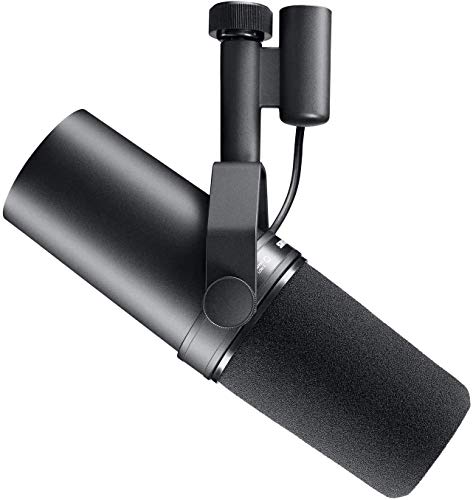
- Smooth, warm voice tuning
- Excellent rejection of room noise
- Includes detachable windscreen
Best For: Podcasters, streamers, and vocalists who want a trusted broadcast-style XLR mic.
Best for Wireless Bodypack Users

- Secure wireframe fit for active speaking
- Cardioid pickup helps reduce background noise
- TA4F connector pairs with Shure wireless bodypacks
Best For: Wireless presenters and performers who need a stable headworn mic for Shure bodypack systems.
Best for Hybrid USB/XLR Setups
Shure MV7+ Podcast Dynamic Microphone

- USB-C and XLR support for flexible workflows
- Auto Level Mode helps keep voice levels even
- Built-in denoiser and pop filtering improve clarity
Best For: Creators who want a broadcast-style mic that can work in both beginner and pro setups.
Best for Loud Stages
Shure BETA 58A Vocal Microphone

- Supercardioid pattern for strong feedback rejection
- Clear, tailored vocal response for close-up use
- Rugged build with included stand and thread adapters
Best For: Vocalists and presenters who need a durable dynamic mic for loud environments.
Best for Easy Streaming Setup
Shure MV6 USB Gaming Microphone

- Dynamic cardioid pickup helps reduce background noise
- Auto Level, denoiser, and pop filter DSP improve speech
- USB-C, headphone monitoring, and tap-to-mute simplify use
Best For: Streamers and podcasters who want an easy USB microphone with broadcast-style vocal focus.
Best for Live Vocals
Shure SM58S Vocal Mic with Switch

- Warm, voice-forward sound for singers and speakers
- Cardioid pattern helps reject stage noise and bleed
- On/off switch adds quick muting control
Best For: Singers, presenters, and stage performers who want a rugged vocal mic with simple muting.
Best XLR-Only Pick
Shure MV7X Dynamic Podcast Microphone

- Broadcast-style dynamic cardioid mic
- XLR-only for interface and mixer setups
- All-metal body with shock-mounted design
Best For: Creators who want a durable, voice-isolating XLR mic for podcasting, streaming, and vocals.
Best Vintage-Style Pick
Shure Super 55 Deluxe XLR Microphone

- Iconic retro design with chrome finish and blue accents
- Supercardioid pickup helps isolate vocals and reduce feedback
- Rugged die-cast body with built-in swivel mounting
Best For: Creators and performers who want a distinctive, broadcast-ready vocal mic with vintage style.
Broadcast-Ready Pick
Shure SM7B Dynamic Studio Microphone
- Warm, balanced vocal sound for speech and vocals
- Strong noise rejection with cardioid pickup and shock isolation
- Built-in pop filtering plus detachable windscreen
Best For: Podcasters, streamers, and broadcasters who want a proven XLR dynamic mic with clean, warm voice capture.
Best Simple Pick
SM58-LC Dynamic Vocal Microphone

- Cardioid pickup helps isolate the voice
- Tough handheld design suits live and repeat use
- Versatile for singing, podcasting, and broadcast-style audio
Best For: Performers and voice creators who need a durable XLR microphone with reliable vocal focus.
Classic Broadcast Vocal Pick – SM7B Dynamic Studio Microphone
If you want a proven shure broadcast microphone for voice-heavy work, the SM7B is a reliable choice for podcasting, streaming, radio-style narration, and studio vocals. It delivers a smooth, warm sound that flatters spoken word while helping tame harshness and room noise.
Best For: Creators who want a broadcast-ready XLR mic with a smooth, polished vocal tone for podcasts, streaming, and recording.
Pros:
- Warm, smooth vocal character that suits speech and singing
- Strong off-axis rejection helps reduce background distractions
- Included detachable windscreen is useful for close-mic recording
- Trusted studio and broadcast reputation from Shure
Cons:
- Needs an XLR interface and enough clean gain
- Not the most plug-and-play option for beginners
- Bulkier than compact desktop microphones
The SM7B remains a standout shure broadcast microphone because it balances professional sound, durability, and versatility in a way few dynamics can match. If you want a familiar broadcast voice without spending on a more specialized studio chain, it is still one of the safest buys.
Best for Wireless Bodypack Users – Shure PGA31-TQG Headworn Mic
If you need a shure broadcast microphone for hands-free speaking, the Shure PGA31-TQG is a practical headworn option built for active presenters, vocal performers, and live hosts. Its secure wireframe fit and cardioid pickup help keep your voice clear while reducing ambient noise, especially when paired with a Shure wireless bodypack.
Best For: Presenters, instructors, and performers who want a lightweight wireless headworn mic with focused vocal pickup.
Pros:
- Secure headworn design stays in place during movement
- Cardioid pattern helps reject unwanted room noise
- Flexible gooseneck makes positioning easier for clearer speech
- TA4F connector works seamlessly with Shure wireless body packs
Cons:
- Requires a compatible Shure wireless bodypack to use
- Not as discreet as a smaller lavalier-style mic
This is a solid shure broadcast microphone choice if your priority is reliable hands-free vocal capture rather than studio-style versatility. It shines in presentations, fitness instruction, worship, and stage use where consistent placement and feedback control matter most.
Best for Hybrid USB/XLR Setups – Shure MV7+ Podcast Dynamic Microphone
If you want a shure broadcast microphone that can grow with your setup, the Shure MV7+ is a strong all-around option. It blends easy USB-C plug-and-play convenience with XLR flexibility, plus onboard DSP tools that help deliver clean, controlled vocal sound for podcasting, streaming, and home recording.
Best For: Podcasters, streamers, and creators who want one mic that works for both simple desktop setups and more advanced studio rigs.
Pros:
- USB-C and XLR outputs make it easy to start simple and upgrade later.
- Auto Level Mode and digital pop filtering help keep vocals consistent and smooth.
- Real-time denoiser and Voice Isolation Tech improve clarity in less-than-perfect rooms.
- LED touch panel adds mute control, level feedback, and customizable lighting.
Cons:
- Pricier than basic entry-level podcast microphones.
- Most useful when you plan to take advantage of the app and DSP features.
Overall, the MV7+ is a practical shure broadcast microphone choice if you want polished, broadcast-style results without building a full studio from scratch. Its mix of smart processing, flexible connectivity, and creator-friendly controls makes it especially appealing for hybrid workflows.
Best for Loud Stages – Shure BETA 58A Vocal Microphone
If you need a shure broadcast microphone that can also survive serious live use, the Shure BETA 58A is a strong pick. Its supercardioid pickup pattern and shaped vocal response help keep speech and singing clear, focused, and resistant to feedback in demanding setups.
Best For: Vocalists, presenters, and content creators who need a rugged dynamic mic with excellent rejection and dependable sound in loud rooms.
Pros:
- Supercardioid pattern helps maximize gain before feedback
- Tailored vocal response delivers clear, present sound
- Rugged grille and shock mount are built for heavy use
- Includes stand adapter, thread adapter, and storage bag
Cons:
- Not a condenser mic, so it is less airy than studio-only options
- Best results usually require close-mic technique
- More performance-focused than entry-level budget models
For buyers comparing a shure broadcast microphone against other vocal dynamics, the BETA 58A stands out for durability, feedback control, and consistent stage-ready tone. It is a practical choice when you want broadcast-style vocal clarity without sacrificing roadworthiness.
Best for Easy Streaming Setup – Shure MV6 USB Gaming Microphone
If you want a shure broadcast microphone that prioritizes clean vocal capture without a complicated setup, the Shure MV6 is a strong fit. It uses a dynamic cardioid design with voice isolation, so it focuses on your voice while helping cut down keyboard noise, fan hum, and room echo.
Best For: Streamers, podcasters, and gamers who want polished voice audio from a simple USB-C mic with real-time control.
Pros:
- Plug-and-play USB-C connection for quick PC and Mac setup
- Voice Isolation and DSP tools help keep speech clear and consistent
- Headphone monitoring and tap-to-mute make live use easier
- MOTIV Mix app adds useful control over mic and monitor settings
Cons:
- USB design is less flexible than an XLR broadcast mic setup
- Advanced users may want more manual control than the onboard DSP provides
Overall, the MV6 is a practical shure broadcast microphone option for creators who care more about fast setup and reliable vocal clarity than studio-style complexity. It delivers a polished, stream-ready sound that works especially well in everyday home environments.
Best for Live Vocals – Shure SM58S Vocal Mic with Switch
If you need a dependable shure broadcast microphone for vocals, the Shure SM58S is a proven pick that favors clarity, rejection of background noise, and easy everyday operation. It is especially strong for live speaking, singing, and rehearsal setups where consistency matters more than flashy extras.
Best For: Singers, presenters, and stage users who want a rugged vocal mic with an on/off switch for quick control.
Pros:
- Clear, warm vocal tuning that helps voices sit forward in the mix
- Cardioid pickup reduces bleed from monitors, instruments, and room noise
- Built-in on/off switch makes muting simple between songs or speakers
- Durable grille and internal filtering help manage plosives and handling noise
Cons:
- Not the most detailed choice for studio-critical vocal recording
- Less suited to users who prefer a wireless or condenser mic
As a shure broadcast microphone option, the SM58S makes the most sense when you want a familiar, workhorse vocal mic that can handle live use without fuss. It is not the most specialized broadcast tool, but it delivers the reliability and voice-focused tuning many buyers need.
Best XLR-Only Pick – Shure MV7X Dynamic Podcast Microphone
If you want a shure broadcast microphone feel without paying for extra features you may not need, the Shure MV7X is a smart studio-first choice. It focuses on clean vocal capture, strong voice isolation, and a classic broadcast-style design that fits podcasts, livestreams, and vocal recording setups.
Best For: Podcasters, streamers, and vocal creators who already use an audio interface or mixer and want a rugged, voice-focused XLR mic.
Pros:
- Broadcast-inspired dynamic cardioid design helps keep speech front and center
- XLR-only output gives you flexible control with interfaces and mixers
- All-metal build and included yoke add durability for regular studio use
- Integrated shock mount helps reduce handling noise and vibrations
Cons:
- No USB connection, so it is not plug-and-play for beginners
- Needs an interface or mixer, which adds to the total setup cost
The MV7X is a practical shure broadcast microphone alternative for creators who care more about vocal isolation and reliable XLR performance than software extras. If your setup is already built around an interface, it delivers a polished, pro-sounding result in a simple, durable package.
Best Vintage-Style Pick – Shure Super 55 Deluxe XLR Microphone
If you want a shure broadcast microphone that looks as distinctive as it sounds, the Shure Super 55 Deluxe is a strong fit. It blends classic studio-era styling with a supercardioid dynamic capsule for focused vocals, making it a practical choice for live speaking, singing, and content recording.
Best For: Creators, vocalists, and presenters who want a rugged, retro-looking microphone with controlled pickup and clear speech.
Pros:
- Iconic vintage chrome-and-blue design stands out on stage or camera
- Supercardioid pattern helps reject unwanted room noise and feedback
- Internal shock mounting reduces handling noise for cleaner audio
- Durable die-cast build with integrated swivel mount for easy positioning
Cons:
- Bulky design may not suit minimal desktop setups
- Style-driven price can be higher than plain utility-focused mics
- Voice character is tuned for presence, not ultra-neutral studio capture
The Super 55 Deluxe makes sense if you want a shure broadcast microphone with real stage presence and dependable vocal control. It is especially appealing when appearance matters as much as performance, but buyers seeking a more understated or strictly modern broadcast look may prefer a different model.
Broadcast-Ready Pick – Shure SM7B Dynamic Studio Microphone
If you want a proven shure broadcast microphone with a warm, polished voice sound, the Shure SM7B is a classic choice. It’s built for close-mic work, rejects room noise well, and delivers the controlled, studio-style tone many podcasters and streamers want.
Best For: Podcasters, streamers, voiceover artists, and broadcasters who want a smooth dynamic mic with strong noise rejection and pro XLR control.
Pros:
- Warm, balanced vocal tone with a wide-range frequency response
- Cardioid pattern and shock isolation help reduce room noise and handling noise
- Built-in pop filtering and detachable windscreen improve close-up speech recording
- Durable all-metal build with XLR output for studio-grade setups
Cons:
- Needs plenty of clean gain, so some setups may require a preamp or booster
- XLR-only design is less convenient than plug-and-play USB mics
The SM7B remains a benchmark shure broadcast microphone because it combines broadcast-ready vocal tone with practical noise control. If you already use an interface or mixer and want a mic that flatters speech without sounding overly processed, it’s an easy recommendation.
Best Simple Pick – SM58-LC Dynamic Vocal Microphone
If you want a dependable shure broadcast microphone that also pulls double duty for singing and spoken-word use, the SM58-LC is a safe, proven choice. Its cardioid pickup and rugged dynamic design make it a practical option for home studios, podcasts, live streams, and broadcast-style voice work where consistency matters more than flashy extras.
Best For: Performers, podcasters, and broadcasters who need a durable handheld mic with reliable vocal isolation.
Pros:
- Cardioid pattern helps reduce off-axis room noise
- Rugged build is made for frequent handling and live use
- Clear, familiar vocal sound works well across many voice applications
Cons:
- Requires an XLR interface or mixer
- Not as sensitive or detailed as some condenser mics
For buyers comparing a shure broadcast microphone to more specialized studio options, the SM58-LC stands out for reliability and versatility rather than high-end nuance. It’s a strong pick when you need one mic that can handle broadcast-adjacent voice work, live performance, and everyday recording without fuss.
How We Picked the Best Shure Broadcast Microphones
We focused on microphones that are proven for spoken voice, offer strong rejection of room noise, and fit common creator and broadcast use cases. We also weighed connection type, ease of setup, accessory needs, and how well each model suits home studios, live streaming, and on-camera voice work.
Because a Shure Broadcast Microphone can mean very different things depending on the user, we prioritized versatility without losing sight of performance.
Quick Comparison
USB models are the easiest path for beginners and streamers who want plug-and-play simplicity. XLR models are better for users building a mixer or interface-based setup and often offer more control over tone and gain staging. Handheld and stage-focused models are best when mobility and durability matter more than close-up studio consistency.
Key Buying Factors for a Shure Broadcast Microphone
Connection Type
Choose USB if you want simple setup and fewer extra components. Choose XLR if you already use an audio interface or want room to upgrade your chain later.
Pickup Pattern and Noise Rejection
For broadcast voice, cardioid and supercardioid patterns help isolate your voice and reduce keyboard, fan, and room noise. This matters especially in untreated rooms.
Gain Needs and Voice Character
Some Shure dynamics need more clean gain than others, so check whether your interface can power the mic properly. Also consider whether you want a smoother, darker voice tone or a brighter, more present sound.
Workflow Features
Auto level modes, onboard DSP, mute controls, and LED indicators can save time and make daily use easier. These features are especially helpful for creators who record often and want consistent results with less tweaking.
Who Should Buy Which Shure Broadcast Microphone?
Choose a USB broadcast mic if you want convenience and fast setup. Pick an XLR model if you already have an interface, want better upgrade flexibility, or prefer a more traditional studio workflow. If you need a mic for live performance or handheld use, a durable vocal model may be the smarter fit than a dedicated desk mic.
For most buyers, the best Shure Broadcast Microphone is the one that balances voice quality, setup simplicity, and compatibility with the gear you already own.