
Reliable cue cards help stage managers, performers, and production crews capture calls, blocking notes, transitions, and last-minute changes without slowing down rehearsal. The right format depends on how much you write, how quickly you need to find information, and whether cards must withstand repeated backstage handling.
These 10 selections cover organized production notebooks, ruled and blank index cards, heavyweight colored stock, large prompt cards, and printable tent-card formats. Use the guide below to narrow the list by workflow, visibility, durability, and budget.
Best 10 Stage Cue Cards for Live Production Picks for 2026
Best Organized Planner

- Tracks cues, timing, and technical elements
- Includes blocking and rehearsal note space
- 120-page theater-focused planner
Best For: Theater stage managers and student productions
Best DIY Cue Card Pack

- 50 heavyweight 260gsm cards
- Roomy 5x8-inch lined format
- Multicolor stock for visual organization
Best For: Custom handwritten cues and presentation prompts
Best Production-Focused Notebook
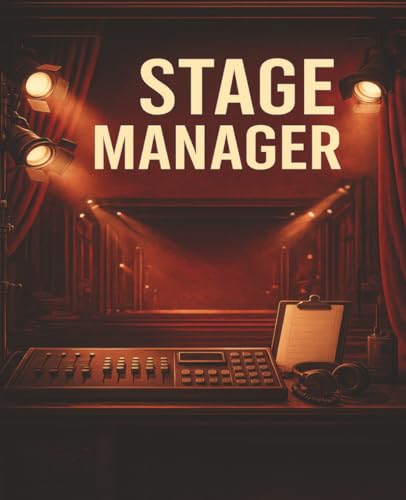
- Combines cue sheets and blocking notes
- Includes rehearsal and backstage planning space
- 120-page format for theater workflows
Best For: Stage managers and school or community theater teams
Best Bulk Prompt Cards

- Pack contains 500 prompt cards
- Compact rectangular 9.5 x 20.5 cm size
- Made from 100% recycled paper
Best For: Large productions needing high card volume
Best for Magic Performances

- Includes blank cards, a mini pen, and plastic case
- Compact 3.5-by-2.2-inch portable format
- Designed for simple magic-show performance
Best For: Performers who need a compact card-and-prop set for stage or close-up use
Best for Traditional Cue Notes

- Provides 200 white ruled record cards
- Double-sided lines support organized prompts
- Acid-free paper with precision-cut edges
Best For: Speakers and production teams needing structured, lined cue cards
Best for Color-Coded Cues

- Includes 300 cards across six vibrant colors
- Blank on both sides for custom cue layouts
- Portable 3-by-5-inch format fits holders and cases
Best For: Teams organizing live cues by color, act, role, or production category
Composer’s Cue Log

- Tracks timing, approvals, exports, and cue details
- Includes structured scoring and reflection sections
- 8.5 x 11 inches with 125 pages
Best For: Film composers and post-production teams
Workshop Signal Cards

- Includes 120 writable cards
- Six colors support quick visual signaling
- Writable on both sides with 150 g/m² paper
Best For: Workshops, presentations, and simple stage signals
Custom Cue Placards

- 160 printable 2 x 3.5-inch cards
- Pre-scored and perforated for easy setup
- Supports double-sided, full-bleed printing
Best For: Customized event prompts and upright production signage
Best Organized Planner – Stage Manager Notebook
For buyers seeking stage cue cards for live production in a structured notebook format, this 120-page planner combines cue tracking with rehearsal, blocking, scheduling, and production notes. Its 7.5 x 9.25-inch format offers room for documenting the details of a theater workflow.
Best For: Theater stage managers, student productions, drama classes, and community theater teams.
Pros:
- Designed to track cues, timing, and technical elements.
- Includes space for blocking, stage movement, and rehearsal adjustments.
- Suitable for both experienced and first-time stage managers.
Cons:
- It is a notebook rather than a pack of loose cue cards.
- Theater-focused layout may be less suitable for non-stage uses.
This is a practical choice when you want cue information and broader production planning kept together in one dedicated record.
Best DIY Cue Card Pack – 5×8 Multicolor Index Cards
These 5×8 lined index cards are a flexible option for creating stage cue cards for live production. The 50-card pack uses heavyweight 260gsm stock, giving you a sturdy surface for handwritten prompts, speech cues, notes, or color-coded organization.
Best For: Performers, presenters, students, and production teams making customized cue cards.
Pros:
- Large 5×8-inch size provides room for longer cues.
- Heavyweight 260gsm cardstock offers a sturdy writing surface.
- Multicolor cards can support visual organization.
- Compatible with pens, markers, colored pencils, and watercolor paints.
Cons:
- They are general-purpose lined cards, not preformatted stage cue sheets.
- The 50-card count may be limiting for larger productions.
Choose this pack when you prefer to design your own cue system and need portable cards that can be written on with several types of tools.
Best Production-Focused Notebook – Professional Theatre Notebook
For a notebook-based approach to stage cue cards for live production, this professional theater production notebook brings cue sheets, blocking notes, rehearsal planning, and backstage organization into one place. Its clean layout is intended for stage managers, assistant stage managers, and student production leaders.
Best For: Theater productions, high school and college programs, community theater, and assistant stage managers.
Pros:
- Combines cue sheets, blocking notes, and rehearsal planning.
- Supports backstage communication and production organization.
- Useful from first read-through through tech week and final performance.
- Provides a professional yet simple 120-page format.
Cons:
- It is bound as a notebook rather than supplied as removable cards.
- The format is specifically oriented toward theater production.
This option suits buyers who want a dedicated production workbook with cue-related planning alongside rehearsal and backstage notes.
Best Bulk Prompt Cards – Franken UMZ 1020 18
Franken UMZ 1020 18 Prompt Cards Rectangular 9.5 x 20.5 cm Pack of 500 Light Blue
Check Price On AmazonFor productions that need a large supply of simple stage cue cards for live production, the Franken UMZ 1020 18 provides 500 rectangular light-blue prompt cards. Each card measures approximately 9.5 x 20.5 cm and is made from 130 gsm recycled paper.
Best For: Large production teams, recurring events, and organizers who need high-volume prompt cards.
Pros:
- Includes 500 cards for extensive or repeated use.
- Rectangular 9.5 x 20.5 cm format is suitable for compact prompts.
- Made from 100% recycled paper.
Cons:
- The 130 gsm paper is lighter than heavyweight index-card stock.
- Notes do not specify lines or a stage-specific printed layout.
- The light-blue color may not suit every color-coding system.
Its main advantage is quantity: this pack is a practical fit when a production needs many uniform prompt cards rather than a guided notebook.
Best for Magic Performances – Premium Memo Card Set
JL Corp. Blank Margin Premium Memo Card Set (1) | Double-Sided Blank Cards + Name Pen + Plastic Case
Check Price On AmazonAlthough designed as a magic-show prop rather than a conventional note deck, this compact set may suit performers who need stage cue cards for live production alongside a visual routine. It includes blank double-sided cards, a pen, and a protective case for portable organization.
Best For: Magic enthusiasts and performers who want a compact, portable card-and-prop set for close-up or stage use.
Pros:
- Includes 56 sheets of double-sided blank paper, a mini pen, and a plastic case.
- Compact 3.5-by-2.2-inch format is easy to carry.
- Sturdy materials and smooth action support repeated performance use.
- Designed to be easy to perform without sleight of hand.
Cons:
- Its magic-show design may not suit conventional production notes.
- The cards are smaller than standard cue cards.
This is a specialized choice for performers who value portability and an included case, but a standard ruled or larger blank card set will be more practical for extensive live-production notes.
Best for Traditional Cue Notes – 200-Sheet Ruled Record Cards
For straightforward stage cue cards for live production, this ruled white record-card set provides a familiar writing surface for prompts, running notes, and checklists. The double-sided ruled layout and precision-cut edges support orderly handwriting and easy sorting.
Best For: Production teams, speakers, and organizers who prefer lined cards for structured cues and quick reference notes.
Pros:
- Supplies 200 sheets for extensive cue-writing needs.
- Double-sided ruled layout helps keep notes organized.
- Wood-free, acid-free paper is suitable for ongoing record keeping.
- Precision-cut edges provide a neat, consistent card format.
Cons:
- Ruled lines may be less flexible for diagrams or large lettering.
- The supplied size is approximately 12.6 by 7.6 cm, so it may not fit every holder.
- The listing identifies one pack rather than multiple separated decks.
This is the most conventional option in the group for written prompts, especially when consistency and volume matter more than color-coding or unlined creative space.
Best for Color-Coded Cues – 300 Count Blank Index Cards
These colorful 3-by-5-inch cards are a flexible option for stage cue cards for live production, particularly when different colors can identify acts, departments, speakers, or cue categories. Their blank double-sided surfaces leave room for short prompts, symbols, and custom layouts.
Best For: Production teams and presenters who want a high-volume, color-coded system for organizing portable cues.
Pros:
- Includes 300 cards in six colors, with 50 sheets per color.
- Blank on both sides for flexible cue formatting and annotations.
- Compact 3-by-5-inch size fits wallets, pencil cases, and lectern holders.
- Paper is described as smooth and resistant to ink bleed-through.
Cons:
- Unlined cards require users to create their own writing structure.
- Bright colors may be distracting in low-light or formal settings.
- The listing’s details include inconsistent pack and unit-count wording.
This set offers the strongest organizational flexibility of the three, making it useful when color-coding matters and blank space is preferable to preprinted ruling.
Composer’s Cue Log – Film Scoring Cue Sheet
For stage cue cards for live production, this log book is most useful when your work involves soundtrack planning, cue timing, and production documentation. It includes dedicated fields for project details, DAW and sample rate information, timecode sync, cue duration, approval, file export, and score notes.
Best For: Film composers, audio producers, and post-production teams who need a structured scoring log.
Pros:
- Tracks cue information, timecode sync, duration, approval, and export details.
- Includes sections for theme building, sketching, spotting, mixing, and export.
- Provides fields for mood, instruments, purpose, sync points, ratings, and scene reflection.
- Large 8.5 x 11-inch format with 125 pages.
Cons:
- Designed for film scoring rather than general-purpose live-show cue cards.
- Its specialized fields may be more than needed for simple stage notes.
This is a focused documentation tool for music-driven production workflows. It is a stronger fit for scoring and post-production than for quick, handheld stage prompts.
Workshop Signal Cards – Assorted Moderation Cards
These moderation cards can support stage cue cards for live production when you need compact, color-coded prompts or visible signals during presentations, workshops, and seminars. The person-shaped cards are writable on both sides and come in several colors for quick visual distinction.
Best For: Presenters, workshop moderators, and production teams using simple color-coded communication.
Pros:
- Includes 120 cards in a handy 90 x 200 mm format.
- Assorted white, yellow, orange, red, green, and blue colors enable visual categorization.
- Can be lettered on both sides.
- Uses robust 150 g/m² paper.
Cons:
- Person-shaped cards may not suit every stage or cue-card layout.
- Notes do not indicate preprinted production cues or specialized live-show formatting.
For teams that rely on simple visual signals, this high-count card set offers flexibility and color variety. It is best suited to interactive moderation rather than detailed technical cue sheets.
Custom Cue Placards – Printable Tent Cards
For stage cue cards for live production, these printable tent cards offer a way to create customized, freestanding prompts, labels, or event signage. The pre-scored, perforated sheets are designed for double-sided printing and folding, with templates available through Avery Design & Print Online.
Best For: Events, trade shows, meetings, and productions needing customized upright labels or visible prompts.
Pros:
- Provides 160 matte white, 2 x 3.5-inch cards.
- Pre-scored and micro-perforated for folding and separation.
- Supports double-sided, full-bleed printing with Print-to-the-Edge capability.
- Compatible with laser or inkjet printers and Avery templates.
Cons:
- Small dimensions may limit longer cue instructions.
- Requires printing and setup before use.
- Designed as tent cards, so it may be less convenient for handheld cueing.
This option works well when cues need to stand upright and look customized. Its printable format is practical for short prompts, names, labels, and event-facing production signage.
How We Picked the Best Stage Cue Cards for Live Production
We focused on formats that support real production tasks: recording cues, marking blocking, organizing rehearsal changes, preparing performer prompts, and identifying cards quickly in a busy backstage environment. The selection includes dedicated stage-management notebooks as well as adaptable card stocks, so buyers can choose between a structured system and a flexible DIY setup.
We also considered paper weight, writing space, card size, color options, pack quantity, and whether the format works with handwriting, printing, or both. A good choice should remain legible under quick use and fit naturally into the production team’s existing filing or call-sheet process.
Quick Comparison
| Best For | Look For | Strongest Format |
|---|---|---|
| Stage managers | Dedicated cue and rehearsal organization | Production notebook |
| Fast handwritten cues | Ruled surface and compact size | Index or record cards |
| Color-coded calls | Multiple colors and adequate thickness | Multicolor cards |
| Large visible prompts | Oversized card dimensions | Prompt or moderation cards |
| Printed labels | Printer compatibility and clean finish | Printable tent cards |
Key Buying Factors for Stage Cue Cards for Live Production
Size and Visibility
Choose a compact 3×5 or 5×8 format when cards must fit in a pocket, binder, or clipboard. Larger prompt cards are easier to read from a lectern or stage wing but require more storage space.
Paper Weight and Writing Surface
Heavier stock is less likely to bend during rehearsals and repeated handling. Smooth surfaces suit pens and printed text, while ruled cards help keep rapid notes readable. Check whether your preferred marker or pen may bleed through thinner paper.
Organization and Color Coding
Use different colors for departments, scenes, performers, or cue types if the production has many moving parts. Blank cards offer more layout freedom; ruled cards reduce setup time. Dedicated notebooks are better when you need sequential logs, blocking pages, and rehearsal records together.
Quantity and Replacement Cost
Estimate cards per scene, rehearsal, or department before buying. Bulk packs are practical for productions with frequent revisions, while smaller premium sets make sense for final prompts or important call cards.
Printing and Portability
If cards need names, logos, cue numbers, or standardized instructions, verify dimensions and printer compatibility first. For handwritten backstage use, prioritize easy stacking, quick labeling, and a storage method that keeps cards in sequence.
Who Should Buy Which Stage Cue Cards for Live Production?
Stage managers and assistant stage managers: Choose a dedicated production notebook when you need one organized place for cue tracking, blocking, rehearsal planning, and notes.
Performers and presenters: Compact ruled or heavyweight index cards are convenient for memorization prompts, entrances, exits, and short speaking notes.
Large theater, event, and school productions: Bulk record cards or colored index cards offer economical coverage for multiple departments and frequent revisions.
Directors and crew leads: Larger prompt or moderation cards improve visibility for scene transitions, technical calls, and group instructions.
Teams with standardized layouts: Printable tent cards are useful when every cue must look consistent, be easy to identify, or include preformatted information.