
Choosing the right compressor can make parallel compression feel effortless, whether you’re tightening drums, adding sustain to guitars, or bringing vocals forward without losing dynamics.
This roundup focuses on versatile options for home studios, project rooms, and pro setups, with picks that suit both subtle control and aggressive blend-style compression.
Best 10 Studio Compressor for Parallel Compression Picks for 2026
Compact pedal compressor

- Phase 90-sized studio compressor pedal
- Constant headroom for clean performance
- 10 LEDs show gain reduction
Best For: Players wanting a compact, clean compressor with easy visual metering
Multi-function rack dynamics
Behringer Composer Pro-XL MDX2600

- 2-channel compressor/limiter/gate
- Built-in de-esser adds flexibility
- One unit for multiple dynamics tasks
Best For: Users needing a dual-channel dynamics processor with de-essing
Stereo rack compressor
ART SCL2 Dual/Stereo Compressor
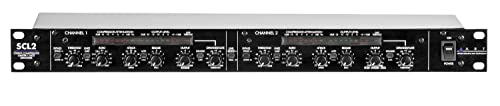
- Dual-channel or linked stereo operation
- Balanced TRS and XLR inputs
- Auto/manual attack and release
Best For: Engineers wanting flexible stereo compression with rack connectivity
Feature-rich pedal compressor

- 7-segment LED compression metering
- Exact RMS Analysis for true sensing
- Hard/soft knee with Auto mode
Best For: Players wanting detailed control and metering in a pedal compressor
Rackmount Dual-Channel Pick
Dual-Channel Black Dynamic Processor

- Two channels for flexible studio or live dynamics control.
- Overeasy compression with auto attack/release for smoother results.
- Sidechain insert and noise gate add more routing and cleanup options.
Best For: Users who want a rack compressor for studio, live, or streaming setups.
Compact Guitar Pedal Pick

- Blend control supports parallel-style compression.
- Compact size fits easily on a pedalboard.
- Simple controls for compression amount, volume, and blend.
Best For: Guitarists who want a small compressor pedal with blend control.
Feature-Rich Rack Pick
Dual-Channel VCA Vocal Compressor

- Dual-channel rack design for flexible processing.
- Overeasy compression and VCA circuitry for smooth dynamics.
- Sidechain insert, noise gate, and LED metering improve control.
Best For: Users who want a feature-rich rack compressor for vocals, drums, and streaming.
Studio-Style Parallel Blend

- 1176-inspired compressor with attack and release control
- Parallel clean blend preserves dry dynamics
- Tone knob adds brightness and energy
Best For: players who want classic 1176-style control with a clean blend
Classic Limiter Flavor
Universal Audio 1176 Compressor Limiter Pedal

- Authentic 1176LN emulation in a compact pedal
- Parallel compression mode for blended control
- Single, Dual, and Sustain modes plus all-buttons-in grit
Best For: guitarists wanting authentic 1176-style compression with parallel mode
Variable Blend Studio Tool

- Variable blend for compressed and dry signal mixing
- Selectable tube or solid-state voicing
- OPTO analog optical isolators and studio level modes
Best For: home and project studio users who want blend control and voicing options
Compact pedal compressor – MXR Studio Compressor
The MXR Studio Compressor is a compact option for a studio compressor for parallel compression when you want clean, controlled gain reduction in a pedal format. Its constant headroom technology is aimed at clear performance, while the ten gain-reduction LEDs make it easier to see how hard the circuit is working.
Best For: Guitarists and pedalboard users who want a compact, clean compressor with visible gain-reduction feedback.
Pros:
- Classic studio compressor design in a Phase 90-sized pedal
- Constant headroom technology for clear, clean performance
- Ten gain-reduction status LEDs for quick level monitoring
- True bypass for simpler signal-chain integration
Cons:
- Compact pedal format may not suit users wanting rack-style controls
- Limited supplied details on advanced shaping or routing options
This is a straightforward compressor choice if you want studio-style control in a small footprint. The emphasis here is on clean operation and easy visual feedback rather than deep editing, which keeps it practical for everyday compression tasks.
Multi-function rack dynamics – Behringer Composer Pro-XL MDX2600
The Behringer Composer Pro-XL MDX2600 is a practical studio compressor for parallel compression if you need a two-channel dynamics unit with extra processing built in. Based on the supplied notes, it combines compressor, limiter, gate, and de-esser functions in one box.
Best For: Users who want a dual-channel compressor/limiter/gate with de-essing in a single unit.
Pros:
- 2-channel compressor/limiter/gate design
- Includes de-esser for added vocal or source control
- Useful when you need multiple dynamics tools in one processor
Cons:
- Supplied details do not describe control layout or metering
- Broader feature set may be more than needed for simple compression jobs
This unit is best viewed as a utility dynamics processor rather than a single-purpose compressor. If your workflow benefits from compression plus gating, limiting, and de-essing, it gives you a lot of function in one two-channel design.
Stereo rack compressor – ART SCL2 Dual/Stereo Compressor
The ART SCL2 is a good fit for a studio compressor for parallel compression when you want dual-channel control or linked stereo operation. The supplied notes highlight balanced TRS and XLR connections, stereo balance control, selectable auto/manual attack-release, and clear LED metering.
Best For: Engineers who need dual-channel or linked stereo compression with flexible connection options.
Pros:
- Dual channel or linked stereo operation
- Balanced 1/4-inch TRS and XLR inputs
- Stereo mode balance control
- Selectable auto/manual attack and release with LED meters
Cons:
- Rack unit may be less convenient than a pedal for small setups
- Supplied notes do not mention any preset or specialized tone modes
For users building a more traditional studio compression chain, this unit offers the control and connectivity expected from a rack processor. Its stereo linking and attack/release flexibility make it especially relevant when parallel compression needs to stay consistent across channels.
Feature-rich pedal compressor – Keeley Compressor Pro Pedal
The Keeley Compressor Pro Pedal is a strong candidate for a studio compressor for parallel compression if you want detailed metering and flexible compression behavior in a pedal. Its supplied notes emphasize exact RMS analysis, hard/soft knee options, and an auto mode for program-dependent attack and release.
Best For: Players who want a feature-rich pedal compressor with accurate metering and flexible compression behavior.
Pros:
- 7-segment compression and gain-reduction LED display
- Threshold LED indicator for compression onset and release
- Exact RMS Analysis for true input sensing
- Hard/soft knee options plus Auto mode for program-dependent timing
Cons:
- More complex than a basic set-and-forget compressor
- Supplied details are focused on pedal use, not rack-style studio routing
This model stands out when you need more visibility into what the compressor is doing and more control over how it reacts. The combination of RMS analysis, knee options, and automatic timing makes it a flexible choice for transparent compression work.
Rackmount Dual-Channel Pick – Dual-Channel Black Dynamic Processor
If you want a studio compressor for parallel compression with flexible routing, this dual-channel rack unit gives you the core tools in a straightforward 1U format. Its Overeasy compression, auto attack/release, and sidechain insert make it practical for shaping drums, vocals, bass, and other sources without overcomplicating setup.
Best For: Engineers who want a dual-channel rack compressor for studio, live, or streaming use with sidechain control.
Pros:
- Dual-channel design supports two sources or linked stereo work.
- Overeasy compression and auto attack/release help keep compression smooth and natural.
- Sidechain insert is useful for targeted low-end control on kick or bass.
- LED indicators help monitor gain reduction, compression, and gate thresholds.
Cons:
- Requires rack space, so it is less portable than a pedal or tabletop unit.
- Better suited to users comfortable with XLR/TRS studio routing.
- Designed as a corded rack processor rather than a grab-and-go solution.
This is a solid choice if you need a practical rackmount compressor with noise gate and sidechain support. It leans toward clean, flexible dynamics control rather than specialized coloration, which makes it useful across a wide range of studio and live tasks.
Compact Guitar Pedal Pick – Xotic SP Compressor Pedal
For players looking for a studio compressor for parallel compression in a pedal format, the Xotic SP Compressor keeps things simple with compact controls for compression amount, volume, and blend. That blend control is the key feature if you want to mix dry and compressed signal in a practical, guitar-friendly way.
Best For: Guitarists who want a compact compressor pedal with blend control for subtle dynamic shaping.
Pros:
- Blend control supports parallel-style compression on guitar.
- Compact pedal format is easy to fit on a crowded board.
- Simple controls make it fast to dial in compression amount and volume.
- Battery-powered operation adds portability.
Cons:
- Single-pedal format is less versatile than a full rack processor.
- Designed for instrument use rather than studio rack workflows.
- No advanced routing features like sidechain or XLR/TRS connectivity.
This is the most straightforward option here if your priority is compact parallel compression on guitar. It focuses on ease of use and a small footprint, making it a practical choice when you want compression without a large setup.
Feature-Rich Rack Pick – Dual-Channel VCA Vocal Compressor
If you need a studio compressor for parallel compression with more of a vocal and mix-control focus, this dual-channel rack unit offers Overeasy compression, sidechain insert support, and a classic VCA circuit. It is built for smooth level management across vocals, guitars, drums, and other sources while still giving you the routing flexibility of XLR/TRS connections.
Best For: Studio, live, and streaming users who want a dual-channel compressor with sidechain and noise gate features.
Pros:
- Dual-channel design works well for multiple sources or stereo tasks.
- VCA circuitry and Overeasy compression are aimed at smooth, natural dynamics control.
- Sidechain insert helps with frequency-based ducking on bass and kick.
- Noise gate and LED metering add cleaner operation and clear visual feedback.
Cons:
- Rackmount format takes up space in a studio or live rack.
- Best suited to users who already work with XLR/TRS signal paths.
- More feature-rich than a basic pedal compressor, which may be more than some users need.
Overall, this unit is a strong fit if you want one compressor that can handle studio, live, and streaming duties. Its sidechain insert and VCA-based design make it especially useful when clean, controlled compression matters more than character coloration.
Studio-Style Parallel Blend – Wampler EGO 76 Compressor
If you want a studio compressor for parallel compression in a pedal-friendly format, the Wampler EGO 76 is built around the classic 1176 Peak Limiter idea. It gives you attack and release control, a tone knob for added brightness, and a parallel clean blend so you can keep the dry feel while tightening the compressed signal.
Best For: Players who want 1176-inspired control and a clean blend for tasteful parallel compression.
Pros:
- 1176-inspired design with attack and release controls
- Parallel clean blend keeps dynamics intact while adding compression
- Tone control helps dial in extra brightness and energy
- Uses high-grade components for sound and response
Cons:
- More feature-focused than a simple set-and-forget compressor
- Built as a stompbox rather than a rack-style studio unit
This is a strong choice if you want the feel of a classic studio compressor with enough control to shape compression in a musical, practical way. The clean blend makes it especially useful when you want compression without losing the original attack.
Classic Limiter Flavor – Universal Audio 1176 Compressor Limiter Pedal
The Universal Audio 1176 Compressor Limiter Pedal is a strong fit if you are shopping for a studio compressor for parallel compression with authentic 1176 character. It offers Input, Output, Attack, and Release controls, plus Single, Dual, and Sustain modes and a Ratio knob with “all buttons in” behavior for more aggressive textures.
Best For: Guitarists who want authentic 1176-style compression with dedicated parallel compression mode.
Pros:
- Authentic emulation of the 1176LN limiting amplifier
- Parallel compression mode supports blend-style control
- Single, Dual, and Sustain modes widen the available compression sounds
- Ratio knob includes “all buttons in” grit and squash
Cons:
- Requires 250 mA, so it is less power-light than simpler pedals
- Feature set may be more than needed if you only want basic compression
For players who want the closest match to a famous studio unit, this pedal brings a lot of the original 1176 behavior into a compact format. The parallel mode and multiple voicings make it versatile for both subtle leveling and heavier compression effects.
Variable Blend Studio Tool – ART Solo VLA Compressor
If your goal is a studio compressor for parallel compression in a more rack-like format, the ART Solo VLA focuses on signal-path flexibility. It features selectable MultiVoice Tube/Solid State control, OPTO analog optical isolators, and a variable blend of compressed and uncompressed signals for straightforward parallel-style mixing.
Best For: Home or project studio users who want blend control and selectable tube or solid-state voicing.
Pros:
- Variable blend lets you mix compressed and uncompressed signals
- Selectable tube or solid-state MultiVoice control adds flexibility
- OPTO analog optical isolators support a studio-style signal path
- Level mode switching covers +4dBu and -10dBV setups
Cons:
- Large, corded unit is less portable than a pedal
- Better suited to studio setups than grab-and-go use
This is the most studio-oriented option in the group, especially if you want a compressor with a real blend feature for parallel compression. Its size and feature set make it a better fit for a dedicated setup than a compact pedalboard.
How We Picked the Best Studio Compressor for Parallel Compression
For a Studio Compressor for Parallel Compression, flexibility matters as much as sound. We looked for units that offer usable attack and release control, strong gain reduction behavior, low noise, and enough mix control or routing flexibility to blend compressed and dry signals effectively. We also considered whether each model fits common studio workflows, from tracking to mixbus use.
Quick Comparison: What Matters Most
Some compressors are best for transparent leveling, while others bring obvious character that can make parallel processing more exciting. Rack units usually offer more control and better integration with studio wiring, while pedals can be useful for bass, guitar, and creative send-return setups. If you want precision, prioritize sidechain options, stereo linking, and adjustable thresholds. If you want vibe, look for color and fast response.
Key Buying Factors for a Studio Compressor for Parallel Compression
Blend and Routing Options
Parallel compression works best when you can easily combine wet and dry signals. A built-in mix control is convenient, but a rack setup with aux sends, inserts, or DAW routing can work just as well.
Attack, Release, and Character
Fast attack and release settings help shape transients and add density, while slower settings preserve punch. Choose a compressor that can do both if you want one unit for drums, vocals, and instruments.
Noise Floor and Headroom
Because parallel chains often exaggerate compression, a quiet circuit and enough headroom are important. This is especially true for vocals, drum rooms, and mixbus-style use.
Stereo or Dual-Channel Operation
If you plan to compress stereo sources or dual mono tracks, a linked stereo mode or dual-channel design is worth having. It keeps the image stable and makes the compressor more versatile.
Form Factor
Pedals are practical for guitar and bass players, while rackmount units are usually the better choice for broader studio duties. Pick the format that matches your workflow instead of forcing a pedal into a rack job or vice versa.
Who Should Buy Which Studio Compressor for Parallel Compression?
If you want a flexible all-rounder for drums, vocals, and mixes, a feature-rich rack unit is usually the safest choice. If you mainly record bass or guitar, a compressor pedal can deliver great results in a simpler setup. For users building a budget studio, affordable dual-channel or stereo processors can cover a lot of ground, while premium classics are ideal if tone and character matter most. The best Studio Compressor for Parallel Compression is the one that fits your routing, your sources, and how much control you actually need.