
If you record voice, video, or livestreams at home, a leaky door can undo an otherwise quiet room. The right seal helps block drafts, reduce airborne noise, and improve consistency between takes.
Our 2026 roundup of studio door seals for content creators focuses on practical, easy-to-install options that can help you tighten the weakest point in your space without a full studio buildout.
Best 10 Studio Door Seals for Content Creators Picks for 2026
Rigid Frame Noise Seal

- Full-frame seal for a standard single door
- Compression bulb helps block noise and drafts
- Anodized aluminum is built for daily use
Best For: Creators wanting a permanent seal for a standard studio door
Clear Edge Sealer

- Cut-to-fit clear silicone strip
- Helps reduce airflow, dust, and noise
- Low-profile look for doors and windows
Best For: DIY gap sealing on smooth-surface doors and windows
Studio Gap Kit

- Includes both door seal and door sweep
- Made for one standard-size door
- Helps block sound through door gaps
Best For: Small studios and apartments needing full door-gap coverage
Quick Fit Noise Strip
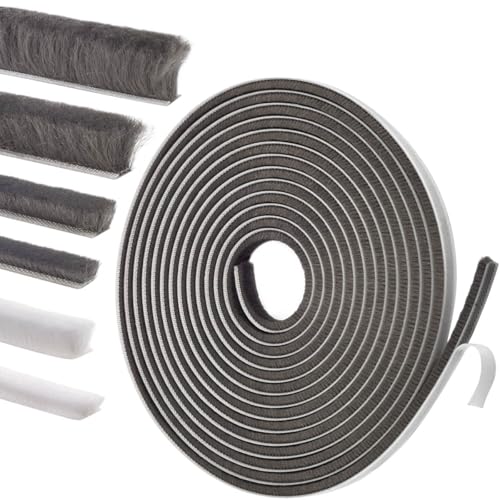
- Self-adhesive strip is easy to install
- Cut-to-size fit for multiple gap types
- Helps reduce drafts, moisture, and noise
Best For: Easy DIY sealing for doors, jambs, and windows
Silicone Noise-Blocking Seal

- Silicone build for tougher, longer-lasting use
- Peel-and-stick backing for easy installation
- Helps reduce noise, drafts, dust, and light leaks
Best For: Content creators needing a durable seal for studio doors and windows
Draft Guard Strip

- Wide strip fits gaps up to 1.2 inches
- Flexible TPE conforms to uneven door frames
- Helps block drafts, dust, smoke, and light gaps
Best For: Creators sealing wider gaps around studio doors
Adhesive Felt Seal Strip
Seal & Quiet - Adhesive Felt Weather Strip for Gaps

- Strong adhesive for gap-filling
- Soft felt design reduces noise and wear
- Helps block dust, drafts, and light sound
Best For: Creators wanting an easy stick-on seal for light sound control
Kerf-In Gap Seal
Gap Lock - No-Adhesive Kerf Seal for Large Doors

- No-adhesive push-in installation
- Fits 0.35 to 0.59 inch slots
- Blocks light, drafts, and some noise
Best For: Creators with compatible doors needing a clean no-adhesive seal
EPDM D-Shaped Seal
Rubber Edge Stop - D-Shaped EPDM Door Seal

- Self-adhesive D-shaped rubber profile
- Seals small gaps from 3.5 mm to 6 mm
- Helps cut drafts, dust, and slamming noise
Best For: Creators wanting a durable adhesive seal for small gaps
Rigid Frame Noise Seal – Aluminum Compression Door Kit
If you’re shopping for studio door seals for content creators, this aluminum compression kit is a strong option for a standard single door. It uses a neoprene bulb that compresses against the top and sides of the door to help block noise, drafts, dust, water, and insects, making it a practical upgrade for a home recording space.
Best For: Creators who want a more permanent, full-frame seal for a standard studio or entry door.
Pros:
- Includes one 36-inch header seal and two 84-inch jamb seals for a full door frame.
- Compression-style neoprene bulb helps seal gaps on the top and sides of the door.
- Anodized aluminum casing is built to hold shape and finish through daily use.
- Slotted screw holes help fine-tune the fit, even on warped or uneven doors.
Cons:
- Requires screw-on installation rather than a simple peel-and-stick setup.
- Designed for standard single doors, so it may not fit every opening.
This is a solid pick if you want a durable, long-term studio door seal instead of temporary foam strips. The tradeoff is installation effort, but the full-frame compression design is well suited to frequent use in recording environments.
Clear Edge Sealer – Silicone T-Shaped Strip
For content creators looking for flexible studio door seals, this clear silicone strip is a straightforward way to cut drafts and reduce noise around door and window edges. It can be cut to size, and the T-shaped design is meant to sit around the gap for a simple seal on smooth surfaces.
Best For: DIY users who need a cut-to-fit seal for frameless doors or smaller gap-filling jobs.
Pros:
- Clear silicone keeps the look low-profile.
- Can be cut to fit different door and window lengths.
- Designed to help reduce airflow, dust, and noise.
- Works on a wide range of surfaces, including glass doors and closets.
Cons:
- Adhesion depends on a smooth, clean, dry surface.
- In cold temperatures, the adhesive may need warming before application.
- Best suited to smaller gap-sealing tasks rather than full door replacement-style sealing.
This strip is useful when you want a flexible, discreet seal rather than a heavy-duty frame system. It’s a good fit for quick DIY sound and draft control, especially where a clear finish matters.
Studio Gap Kit – Acoustic Door Seal and Sweep
Audimute Soundproofing Acoustic Door Seal Kit - Door Sweep and Seal - (Standard Size)
Check Price On AmazonThis acoustic kit is aimed at content creators who want studio door seals that address both the door perimeter and the bottom gap. It includes a door seal and a door sweep, which makes it a practical choice for blocking sound through common leak points around a standard-size door.
Best For: Apartments, studios, or home setups that need both edge sealing and a door sweep in one kit.
Pros:
- Includes both a door seal and a door sweep for full gap treatment.
- Made to treat one standard-size door.
- Designed to help block sound traveling through door gaps.
- Easy to install for studio or apartment use.
Cons:
- Only sized for one standard door.
- Not a universal whole-home kit for multiple openings.
If your main issue is sound leaking around a single studio door, this kit offers a balanced approach with both side sealing and bottom coverage. It’s a practical, no-fuss option for improving isolation in small recording spaces.
Quick Fit Noise Strip – Adhesive Door and Window Seal
If you want simple studio door seals for content creators, this self-adhesive strip is a flexible option for sealing door and window gaps. It is designed for easy cut-to-size application and can help reduce drafts, moisture, and outside noise in a home studio or workspace.
Best For: Creators who want an easy DIY adhesive seal for doors, jambs, sliding doors, or windows.
Pros:
- Self-adhesive design makes installation simple.
- Flexible strip can be cut to size for different gaps.
- Helps reduce noise, drafts, and moisture.
- Works on door bottoms, jambs, sliding doors, and window edges.
Cons:
- Adhesive-based installation may not suit every surface long term.
- Best for gap sealing rather than heavy-duty frame compression.
This is the easiest pick in the group if you want a quick way to improve comfort and reduce noise leakage. It’s less permanent than a screw-on kit, but the DIY-friendly format makes it appealing for fast studio upgrades.
Silicone Noise-Blocking Seal – Studio-Ready Gap Filler
If you’re looking for studio door seals for content creators, this self-adhesive silicone strip is a practical pick for trimming down light leaks, dust, and drafty gaps around doors or windows. Its dense silicone build and flexible D-shape design make it easier to adapt to uneven spaces while keeping installation simple.
Best For: Content creators who want a durable, easy-to-install seal for reducing noise, light leakage, and drafts around a studio door.
Pros:
- Upgraded silicone material offers better toughness and temperature resistance than typical EPDM foam strips.
- Self-adhesive backing is designed for straightforward peel-and-stick installation.
- Flexible 20 ft roll can be cut to size for most doors and windows.
- Helps reduce noise, wind, dust, insects, and light leakage.
Cons:
- Needs a clean surface for the adhesive to bond properly.
- Length may be more than needed for smaller sealing jobs.
This is a solid all-around option if your main goal is to tidy up a door gap without a complicated install. The silicone construction and noise-reduction focus make it especially appealing for home studios where comfort and light control matter.
Draft Guard Strip – Extra-Wide Door Bottom Sealer
For studio door seals for content creators who need a wider coverage strip, this TPE option is built to handle larger gaps and help cut down airflow, dust, and light seepage. The flexible material and 33-foot total length make it a useful choice when you want a simple seal for interior doors, sliding doors, or window edges.
Best For: Creators sealing wider door gaps who want a flexible strip that helps with drafts, dust, and light gaps.
Pros:
- Extra-wide 1.8″ strip is designed for gaps up to 1.2 inches.
- TPE material flexes to uneven surfaces for easier fitting.
- Helps block cold air, warm-air loss, dust, insects, smoke, and light gaps.
- Two-roll package provides 33 feet total coverage.
Cons:
- Wider profile may be more than needed for smaller gaps.
- Adhesion may benefit from careful prep and warming the backing first.
This is a good pick when the door gap is the bigger issue and you want more surface coverage. Its broad strip design makes it practical for studios that also need a general-purpose draft blocker for multiple rooms.
Tailor-Cut Rubber Seal – Long-Run Door Insulator
If you need studio door seals for content creators and want a long roll you can trim precisely, this rubber weather stripping is built for gap sealing around doors and windows. The D-shape profile and strong self-adhesive backing make it useful for reducing air leaks, noise transfer, and general wear on frequently used openings.
Best For: Content creators who want a long, cut-to-size seal for standard door and window gaps.
Pros:
- 50-foot roll provides plenty of material for multiple sealing jobs.
- Flexible rubber design is made to resist freezing and cracking in extreme temperatures.
- Self-adhesive backing is intended to bond firmly after 24 hours.
- Helps reduce wind, dust, sound, cold, and wear from opening and closing.
Cons:
- Only suitable for relatively small gaps, from 1/10 to 11/50 inches.
- Requires measuring carefully before purchase to match the gap size.
This option stands out if you want a long-lasting seal and prefer trimming the material to fit exactly. It’s especially useful for creators setting up more than one room or wanting a precise fit for a studio door frame.
Adhesive Felt Seal Strip – Seal & Quiet – Adhesive Felt Weather Strip for Gaps
If you need studio door seals for content creators, this self-adhesive weather stripping is a simple way to cut drafts, dust, and some outside noise around doors, windows, and cabinets. Its soft felt-style build and strong adhesive make it a practical pick for sealing smaller gaps without adding hardware.
Best For: Creators who want an easy stick-on seal for light sound control, dust blocking, and energy savings.
Pros:
- Strong adhesive is designed to stay put and reduce gaps.
- 5P high-density soft hair construction is flexible, wear-resistant, and low-noise.
- Helps with dustproofing, windproofing, anti-collision, and sound insulation.
- 33 ft length gives plenty of material for multiple doors or trim areas.
Cons:
- Best suited to measuring and cutting carefully before installation.
- Works as a light sealing and noise-reduction aid, not a full acoustic treatment.
- Adhesive installs can be less ideal if you want a non-stick option.
Overall, this is a budget-friendly, versatile seal strip for creators who want a straightforward way to tighten up a room and reduce everyday distractions. It is especially useful when you want a quick upgrade that can help with comfort and ambient noise.
Kerf-In Gap Seal – Gap Lock – No-Adhesive Kerf Seal for Large Doors
For studio door seals for content creators, this kerf-style weather stripping is aimed at larger door gaps where you want a tighter fit without adhesive residue. It slides into a groove for a clean install and is designed to block light, drafts, and noise while helping keep the room comfortable.
Best For: Creators with compatible doors who want a no-adhesive seal for larger gaps and cleaner installation.
Pros:
- Push-in kerf design installs without adhesive and leaves no traces.
- Fits slot sizes from 0.35 to 0.59 inches, covering larger gaps.
- Helps block light, reduce noise, and resist wind.
- High-density PU foam and PVC flange are flexible and long-lasting.
Cons:
- Requires a compatible groove or recess in the door frame.
- Not the right choice if you need a peel-and-stick solution.
- Works best only after confirming slot size before ordering.
This is a solid option if you want a cleaner, removable-style seal for a studio door and your frame supports a kerf insert. It makes the most sense when gap size and fit are the priority.
EPDM D-Shaped Seal – Rubber Edge Stop – D-Shaped EPDM Door Seal
If you are shopping studio door seals for content creators, this D-shaped EPDM strip is built for simple self-adhesive sealing along door frames and windows. Its hollow profile is designed to compress over small gaps, helping reduce drafts, dust, unwanted airflow, and slamming noise.
Best For: Creators who want a durable adhesive rubber seal for small gaps and temperature control.
Pros:
- D-shaped profile compresses to seal gaps from 3.5 mm to 6 mm wide.
- EPDM rubber offers flexibility and durability across temperature changes.
- Self-adhesive backing makes installation quick and tool-free.
- Helps reduce thermal loss, dust, airflow, and door-slamming noise.
Cons:
- Best suited to smaller gaps rather than wider door openings.
- Adhesive installation may not suit users who want a removable seal.
- Sound reduction is helpful, but not a substitute for full acoustic treatment.
Overall, this is a practical rubber seal for creators who want a durable, low-fuss way to tighten up a room. It is a strong fit when you need both everyday comfort and a cleaner seal around doors or windows.
How We Picked the Best Studio Door Seals for Content Creators
We focused on door seals that make sense for Studio Door Seals for Content Creators: strong adhesive or compression fit, practical length options, gap coverage, and materials suited to everyday use. We also favored products that are easier to install on common interior doors, since many creators need a fast upgrade rather than a full acoustic renovation.
Quick Comparison
Broadly, the list breaks into three types: compression-style kits for a tighter perimeter seal, adhesive strips for quick DIY installs, and specialty profiles like D-shape, T-shape, V-shape, or sweeps for different door gaps. If your door has uneven spacing or visible light leaks, profile shape matters as much as total length.
Key Buying Factors for Studio Door Seals for Content Creators
Gap Size and Door Fit
Measure the gap around the door before buying. Small gaps usually do well with thinner seals, while larger or uneven gaps may need a thicker profile or a full frame kit. A poor fit reduces both noise control and door closing comfort.
Material and Seal Type
Silicone and rubber tend to be durable and flexible, while foam can be easier to compress but may wear faster. Compression kits can offer a more complete seal, while adhesive strips are often the simplest path for renters or temporary setups.
Noise Control Expectations
Door seals help most with airborne noise, drafts, and fluttering leaks around the frame. They are not a complete soundproofing solution, but they can make a noticeable difference when paired with a solid-core door, window treatment, and basic room treatment.
Installation and Reversibility
If you switch studios often, choose a seal that is easy to trim, remove, or replace without damage. If the door sees heavy daily use, prioritize stronger backing and more durable edges over the easiest install.
Who Should Buy Which Studio Door Seals for Content Creators?
Renters and creators who want a low-commitment upgrade should start with adhesive weather stripping or a standard seal strip. For a more serious home studio, compression seal kits and full-frame options are better if the door has obvious light gaps or inconsistent closing pressure. If your main issue is sound spilling under the door, a sweep-style solution may be the first fix to try.
In short, choose the seal that matches your door gap, your install comfort level, and how much isolation you actually need. The best option is the one that improves your recording space without making the door hard to use.