
Even a well-treated room can lose isolation through the door. For live production spaces, the right seal helps reduce leakage, tighten monitoring, and improve overall room control.
Below, we’ve focused on practical options that help close gaps at the frame, threshold, and perimeter without overcomplicating installation.
Best 10 Studio Door Seals for Live Production Picks for 2026
Standard Door Sound Seal Kit
Audimute Acoustic Door Seal Kit

- Includes a door seal and door sweep
- Built to treat one standard-size door
- Easy to install for gap sealing
Best For: Single-door studios and apartments
Draft and Smoke Control Seal
M-D Silicone Door and Window Seal

- Durable silicone rubber construction
- Peel-and-stick install with no hardware
- Helps seal drafts, dust, and smoke
Best For: Easy all-purpose sealing on doors and windows
Commercial Astragal Weather Seal
Pushglossy Commercial Door Weather Stripping

- Commercial-grade astragal seal for large doors
- Helps reduce noise, drafts, and light
- Works on metal or wooden doors
Best For: Commercial entrance doors and studio door frames
Hidden Drop-Down Door Bottom Seal

- Drops automatically to fill gaps up to 1/2 inch
- Neoprene seal supports soundproofing
- Mortised design for a nearly hidden fit
Best For: Wooden studio and performance doors
Flexible Foam Seal

- 33FT roll can be cut to size
- CR foam and neoprene aid soundproofing
- Strong adhesive for doors, windows, and vents
Best For: Easy-to-cut adhesive sealing for light sound control and gap filling
Kerf Channel Seal
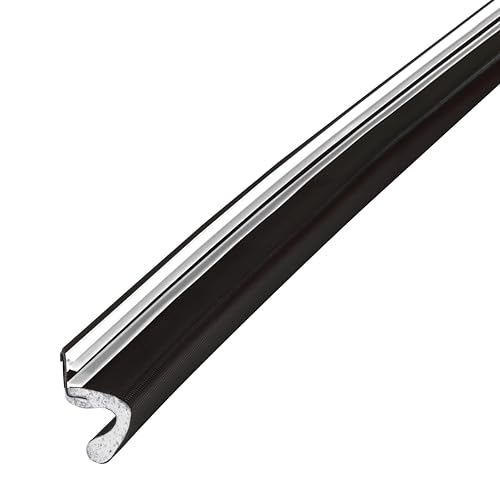
- Fits kerf/channel door stops
- Seals gaps up to 1/2 inch
- 90FT roll for long or multiple runs
Best For: Doors with kerf/channel fitting that need a snug replacement seal
Silicone Sound Seal

- Teardrop profile supports stronger sealing
- 3M adhesive enables easy peel-and-stick install
- Rated for fire, smoke, sound, and air infiltration
Best For: Peel-and-stick sealing for door-frame gaps and infiltration control
Draft Guard
Holikme 33-Foot Weather Stripping

- Flexible strip cuts to length for different door gaps.
- Helps block drafts, dust, smoke, insects, and light gaps.
- Adhesive install with a prep-and-warm tip for better hold.
Best For: Interior doors that need simple, cut-to-fit gap sealing
Push-In Noise Blocker
Ravinte Q-Shaped Kerf Foam Strip

- Push-in design installs with no adhesive and no marks.
- Fits kerf slots from 0.35 to 0.59 inches.
- Blocks light, drafts, dust, water, and some noise.
Best For: Kerf-style doors that need a clean, mark-free seal
Standard Door Sound Seal Kit – Audimute Acoustic Door Seal Kit
Audimute Soundproofing Acoustic Door Seal Kit - Door Sweep and Seal - (Standard Size)
Check Price On AmazonFor studio door seals for live production, this Audimute kit is a straightforward way to reduce sound leakage around a standard door. It pairs a door sweep with perimeter seal material, so it targets the common gaps where noise tends to escape or enter.
Best For: Apartments, small studios, and other single-door setups that need a simple soundproofing upgrade.
Pros:
- Includes both a door seal and a door sweep for two-point gap treatment.
- Designed to treat one standard-size door.
- Easy to install, with a practical sound-blocking focus.
- Useful anywhere sound is entering or exiting through a door.
Cons:
- Made for one standard door, so it is not a multi-door solution.
- Best suited to door-gap sealing rather than full acoustic treatment.
Overall, this is a sensible pick if you want a simple, targeted seal kit for a single door in a production space. It won’t replace broader studio treatment, but it can help tighten up one of the most common weak points in a room.
Draft and Smoke Control Seal – M-D Silicone Door and Window Seal
If you need studio door seals for live production that focus on drafts as well as dust, this silicone strip is a versatile option. It is designed for doors and windows, and the peel-and-stick installation keeps the setup simple.
Best For: Spaces that need an easy-to-apply seal for draft, dust, and smoke control.
Pros:
- Premium silicone construction for durable, long-lasting use.
- Helps block drafts, dust, moisture, and insects.
- Works for doors and windows, indoors or outdoors.
- Peel-and-stick installation requires no hardware.
Cons:
- It is a general sealing strip, not a dedicated acoustic door kit.
- White color may be more visible in darker door frames.
This is a practical sealing choice when your priority is an adaptable barrier that is easy to apply. For live production rooms, it makes sense as a draft and contaminant control layer, though it is not the most specialized noise-blocking solution.
Commercial Astragal Weather Seal – Pushglossy Commercial Door Weather Stripping
For studio door seals for live production in commercial spaces, this Pushglossy weather stripping is built for larger entrance doors and frame gaps. Its aluminum-alloy base and brush-style design are aimed at reducing drafts, light, and noise around heavy-use doors.
Best For: Commercial studios, warehouses, offices, and other large door openings that need perimeter sealing.
Pros:
- Commercial-grade design with an aluminum alloy base.
- Helps reduce drafts, dust, rain, light, and noise.
- Suitable for double-door center seams, door edges, and frame sides.
- Works with both metal and wooden doors.
Cons:
- Not intended for use on door bottoms.
- Installation requires measuring, cutting, pre-drilling, and screwing in place.
This is a strong option when you need a durable seal for a commercial entrance rather than a lightweight home fix. It is especially useful where wider gaps and heavier door hardware call for a more robust astragal-style solution.
Hidden Drop-Down Door Bottom Seal – Automatic Drop-Down Door Seal
If you are shopping for studio door seals for live production, a bottom seal like this can make a noticeable difference at the floor gap. This automatic strip drops when the door closes, helping close off one of the most common paths for sound, drafts, and light.
Best For: Wooden doors in studios, recording rooms, hotels, offices, and performance spaces.
Pros:
- Automatically drops to fill gaps up to half an inch.
- Neoprene seal is designed for soundproofing and draft blocking.
- Helps with sound, light, winter air, bugs, smoke, and water protection.
- Fitted, nearly hidden design for wooden doors.
Cons:
- Mortised installation is required.
- Made for wooden doors with a minimum thickness of 1-3/8 inches.
As a bottom-gap solution, this is one of the more purpose-built choices in the group. It is best when your main issue is the space beneath the door, and you are comfortable with a more involved installation.
Flexible Foam Seal – 33Ft Door Weather Stripping
For studio door seals for live production, this 33FT foam tape is a practical pick when you need a simple adhesive solution to help close small gaps around doors, frames, windows, or even vents. Its CR foam and neoprene build is aimed at weatherproofing, shock absorption, soundproofing, and heat insulation, making it useful where a basic peel-and-stick seal is preferred.
Best For: Buyers who want an easy-to-cut adhesive seal for light sound control and gap filling on doors or frames.
Pros:
- 33FT roll can be cut to size for different door or frame runs
- High-density CR foam and neoprene support soundproofing and heat insulation
- Strong adhesive is designed for reliable sealing and waterproofing
- Versatile enough for doors, windows, vents, AC, and vehicles
Cons:
- Best suited to small gaps rather than heavy-duty acoustic isolation
- Adhesive performance depends on cleaning the surface first
This is a straightforward sealing option if you want an affordable, trim-to-fit product for around-the-door coverage. It makes sense for general production spaces that need a quick upgrade, but it is still a foam tape rather than a specialized studio acoustic seal.
Kerf Channel Seal – Vinyl-Coated Foam Door Strip
If you are comparing studio door seals for live production, this vinyl-coated foam strip is designed for doors with a kerf or channel in the stop. It seals gaps up to 1/2 inch and is meant to reduce drafts, dust, air leakage, and noise intrusion while helping maintain indoor temperatures more efficiently.
Best For: Doors that already use a kerf/channel fitting and need a snug, tool-free replacement seal.
Pros:
- Vinyl-coated foam is built for durability and weather resistance
- Seals gaps up to 1/2 inch for drafts, dust, air leakage, and noise intrusion
- Press-in installation avoids extra tools or hardware
- 90FT length gives plenty of material for long runs or multiple doors
Cons:
- Requires a kerf/channel door stop, so it is not a universal peel-and-stick fit
- Better for sealing gaps than for upgrading a door’s acoustic rating
For production spaces that already have the right door hardware, this is a clean and efficient sealing upgrade. The long roll and snug fit make it especially useful where you want a more integrated door seal rather than an adhesive surface-mounted strip.
Silicone Sound Seal – 20Ft Self-Adhesive Door Strip
For studio door seals for live production, this silicone strip is a solid choice when you want a self-adhesive solution with a more specialized sealing shape. Its teardrop profile is designed to improve insulation, and the 3M backing makes it simple to apply to a clean surface without tools.
Best For: Users who want a peel-and-stick silicone seal for door-frame gaps and general sound, smoke, and air infiltration control.
Pros:
- Unique teardrop shape is intended to improve sealing performance
- 3M self-adhesive backing simplifies installation on clean surfaces
- Silicone material is designed for long-lasting wear and extreme temperatures
- Rated for fire, smoke, sound, and air infiltration
Cons:
- 20FT roll is shorter than some other options
- Needs a clean surface for best adhesion
This is the most specialized of the three for sealing performance, especially if you want a tidy adhesive strip with silicone durability. It is a practical fit when the priority is a simple, clean installation with strong all-around infiltration resistance.
Draft Guard – Holikme 33-Foot Weather Stripping
If you need studio door seals for live production spaces, this Holikme weather stripping is a flexible option for closing up gaps around interior doors. It’s designed to block drafts, dust, smoke, insects, and light gaps, and the long 33-foot total length gives you room to cut multiple runs to fit different doors or frames.
Best For: Sealing interior gaps where you want better temperature control and less unwanted air movement.
Pros:
- Flexible strip conforms to uneven door gaps and frames.
- Blocks cold air in and helps keep warm air from escaping.
- Can be used on bedroom doors, sliding doors, wardrobe doors, windows, and shower glass door bottoms.
- Adhesive backing is designed for firm hold, with a warm-up tip to improve bonding in colder conditions.
Cons:
- Best suited for gaps up to 1.2 inches wide, so measurement matters.
- Adhesion may need prep and warming before installation.
This is a practical choice if your priority is broad, cut-to-fit sealing rather than a specialized acoustic door system. For live production rooms where you mainly want to reduce drafts and light leakage, it offers simple coverage and easy installation.
Contour Seal – V Shape Thin Foam Weather Stripping
For studio door seals for live production, this V-shaped foam strip is built to close off small gaps around door contours with a thin, flexible profile. It seals openings from 2.5 to 7 mm and adds wind, dust, waterproofing, noise reduction, and thermal insulation in one self-adhesive strip.
Best For: Narrow door-frame gaps where a flexible, cut-to-size seal is needed.
Pros:
- V-shaped profile is designed to conform tightly to door contours.
- Covers small gaps from 2.5–7 mm.
- Self-adhesive installation is straightforward, with a hair-dryer tip for colder weather.
- Also helps cushion door impacts and reduce collision noise.
Cons:
- Not intended for wider gaps outside the listed range.
- Foam may arrive with wrinkles from packaging.
- Adhesion can be affected by cold conditions if surfaces aren’t prepared.
This strip makes sense when you need a compact seal that follows the shape of the door rather than a bulkier bottom sweep. It’s a good fit for rooms where reducing noise, drafts, and light airflow matters more than covering large openings.
Push-In Noise Blocker – Ravinte Q-Shaped Kerf Foam Strip
If your live production setup needs studio door seals for live production that reduce light leak and improve isolation, this Ravinte kerf foam strip is built for push-in installation. It slides into door grooves or recesses without adhesive, creating a tight seal that helps block drafts, dust, water, and noise.
Best For: Doors with compatible kerf slots that need a no-adhesive seal.
Pros:
- No adhesive required, so it won’t leave marks.
- Fits slots from 0.35 to 0.59 inches.
- High-density foam core helps block light penetration around the door.
- Also offers sound insulation and protection against air leakage.
Cons:
- Only works with doors that have the right groove/recess size.
- Needs slot measurement before purchase to confirm fit.
This is the most specialized option of the three if your door already uses a kerf-style channel. For production spaces where leaving no adhesive marks is important, it offers a clean install and a tight, practical seal.
How We Picked the Best Studio Door Seals for Live Production
We prioritized seals that address the most common weak points in studio doors: bottom gaps, frame edges, and uneven contact points. We also looked for options that are realistic for busy production spaces, including adhesive, kerf, silicone, and automatic sweep styles.
For Studio Door Seals for Live Production, fit and coverage matter more than marketing claims. A seal that matches your door type and closes the actual air gap will usually outperform a thicker product that installs poorly.
Quick Comparison
Use a door sweep for bottom leakage, perimeter seals for frame gaps, and foam or silicone strips when you need a fast, budget-friendly upgrade. Automatic seals are best for cleaner thresholds, while adhesive strips are easier for temporary or rental spaces.
Key Buying Factors for Studio Door Seals for Live Production
Door Gap Size
Measure the gap at the bottom and around the frame before buying. Thin gaps often do well with adhesive foam or silicone, while larger or uneven gaps may need a more robust sweep or gasket.
Door Type and Mounting Style
Check whether your door accepts kerf-in seals, has room for a bottom sweep, or works better with peel-and-stick weather stripping. The wrong mounting style can reduce performance and make the seal fail early.
Material and Durability
Silicone tends to hold up well in high-use rooms, while foam is often easier to install and replace. For active production environments, choose materials that can handle frequent opening and closing.
Air Seal Versus Sound Seal
Most products here improve isolation by reducing air leaks first. That still matters: better air sealing usually means better acoustic control, even if the product is sold as weatherstripping.
Who Should Buy Which Studio Door Seals for Live Production?
If you need the simplest upgrade, choose an adhesive foam or silicone strip. If your main issue is sound leaking under the door, look for a dedicated sweep or automatic bottom seal. If you want a more polished, semi-permanent solution for a control room, frame-specific seals or kerf-style options are usually the better fit.
For rental studios or temporary setups, removable adhesive options are the safest choice. For permanent production rooms, prioritize the most precise fit you can install cleanly, since consistency matters more than raw material thickness.