
A USB audio reclocker can help bridge a computer, streamer, or phone and a DAC—but clock specifications alone do not guarantee better sound. The right choice depends first on the connections your DAC accepts and the problem you want to solve.
These six listings span USB noise filtering, portable USB-to-coaxial conversion, and desktop digital-to-digital interfaces. Several are variations of the Gustard U26, so compare their exact configurations and sellers rather than treating every listing as a different device.
Best 6 USB Audio Reclocker for Audiophile System Picks for 2026
High-End Digital Bridge

- OCXO and K2 clock system
- IIS, AES, and coaxial DAC outputs
- PCM up to 1.536MHz; DSD2048
Best For: High-end systems using a separate, compatible DAC
USB Isolation Pick
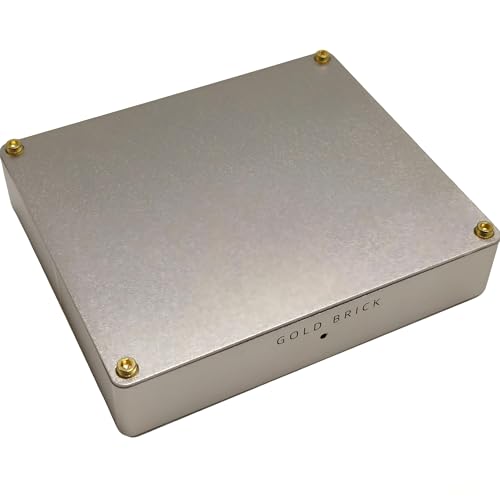
- Galvanically isolates USB
- Dual 0.1ppm TCXO oscillators
- Requires external 12V power
Best For: Computer-to-DAC USB isolation
Compact DDC Pick

- Type-C USB to IIS, optical, or coaxial
- PCM up to 32-bit/768kHz
- Compact design with UAC/IIS switches
Best For: Portable USB-to-DAC digital connectivity
Portable Coaxial Pick

- USB-C to 3.5mm coaxial S/PDIF
- Dual crystals and FPGA clock regeneration
- 15.5g body with color display
Best For: Portable USB-C sources feeding a coaxial-input DAC
Black Multi-Output Bridge

- USB and 10MHz clock inputs
- IIS, AES, optical, and coaxial outputs
- PCM up to 1536kHz; native DSD2048
Best For: Desktop DAC systems needing varied digital outputs
Silver System Bridge
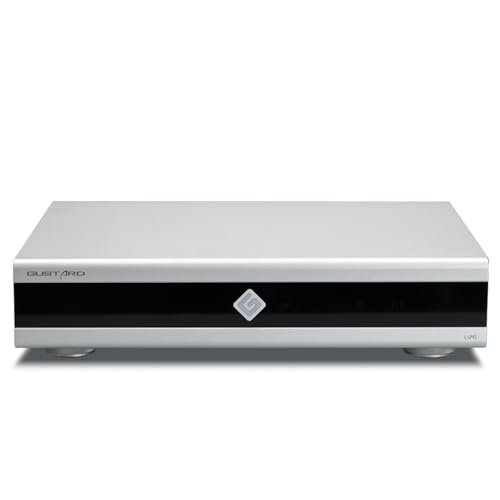
- Silver-finish USB digital bridge
- 10MHz clock input and varied outputs
- OCXO/K2 PLL clock system
Best For: Silver desktop setups with a digital-input DAC
High-End Digital Bridge – GUSTARD U26 USB Interface
If you’re shopping for a usb audio reclocker for audiophile system use, the GUSTARD U26 is a digital bridge between a USB source and a separate DAC—not a DAC or amplifier itself. Its OCXO and K2 clock system, along with CPLD signal shaping, makes it a feature-rich option for a setup with compatible digital inputs.
Best For: High-end systems with a separate DAC and a need for USB-to-IIS, AES, or coaxial conversion.
Pros:
- OCXO and K2 clock system with stated ±0.1ppm stability.
- CPLD shaping of IIS signals after isolation.
- Supports PCM up to 32-bit/1.536MHz and native DSD2048.
Cons:
- Requires a separate DAC for analog audio output.
- Its high sample-rate capabilities matter only if the rest of your system supports them.
The U26 is the most expansive digital interface here, but check your DAC’s input compatibility before paying for its clocking and format capabilities.
USB Isolation Pick – CH318T Dual-TCXO USB Isolator
For a usb audio reclocker for audiophile system setups affected by computer-side electrical noise, this CH318T unit combines galvanic USB isolation with dual 0.1ppm TCXO oscillators. It is aimed at the USB connection between a source and DAC rather than converting USB to a different digital audio output.
Best For: Separating a computer’s USB electrical connection from a DAC while adding dual-TCXO signal reconstruction.
Pros:
- CH318T-based galvanic isolation is designed to break the electrical connection between source and DAC.
- Dual TCXO oscillators are specified at 0.1ppm.
- Supports 480Mbps high-speed USB and has a CNC aluminum enclosure.
Cons:
- Requires external 12V power.
- Its USB-focused design does not provide the IIS, optical, or coaxial outputs of a digital-to-digital converter.
Choose this when USB isolation is the priority; confirm your power arrangement before adding it to the chain.
Compact DDC Pick – SMSL PO100 PRO USB Interface
If you need a compact USB audio reclocker for audiophile system connectivity, consider the SMSL PO100 PRO primarily as a USB digital-to-digital interface. Its XMOS XU316 chip accepts Type-C USB input and supplies IIS, optical, or coaxial output to a compatible DAC; the supplied specifications do not identify a dedicated reclocking oscillator.
Best For: Compact USB-to-digital-output conversion for a DAC with IIS, optical, or coaxial input.
Pros:
- Offers IIS, optical, and coaxial digital outputs in a small enclosure.
- Supports PCM up to 32-bit/768kHz, plus native DSD and DoP64.
- Includes UAC and IIS mode switches for different connection requirements.
Cons:
- Does not provide analog output; a separate DAC is needed.
- Requires the appropriate UAC and, when used, IIS mode settings.
Its appeal is flexible digital output in a portable format, not a documented dedicated reclocking architecture. Match its output and mode settings to your DAC before buying.
Portable Coaxial Pick – HiBy UC10 USB-C Reclocker
If you need a portable usb audio reclocker for audiophile system use, the HiBy UC10 turns a phone, tablet, PC, or digital audio player into a coaxial S/PDIF source for an external DAC. Its dual femtosecond-grade crystals and FPGA clock regeneration target the digital output signal, while the color display makes settings easy to check.
Best For: Listeners connecting a USB-C source to a DAC with a coaxial S/PDIF input.
Pros:
- Dual audio crystals, FPGA clock regeneration, and dedicated S/PDIF signal shaping.
- Compact 15.5g aluminum body with a display for format, sample rate, and output gain.
- Three selectable coaxial output levels: 1Vpp, 2Vpp, and 3Vpp unloaded.
Cons:
- Coaxial output is limited to 192kHz/24-bit PCM and DoP DSD64, even though USB input accepts higher rates.
- Only a 3.5mm coaxial digital output is specified; check your DAC connection and cable needs.
The UC10 is a focused choice when portability and USB-to-coaxial conversion matter more than having several digital output types.
Black Multi-Output Bridge – Gustard U26 DDC
The black Gustard U26 is a usb audio reclocker for audiophile system setups that need more output choices than a basic USB-to-coaxial converter. It takes USB or a 10MHz clock input and offers IIS, IIS-G, AES, optical, coaxial, and S/PDIF BNC coaxial outputs, backed by an OCXO and K2 PLL clock system.
Best For: Desktop systems that need to bridge a USB source to a DAC through a choice of digital connections.
Pros:
- Multiple digital outputs, including dual IIS formats, AES, optical, and coaxial options.
- Supports PCM up to 1536kHz, DoP through DSD512, and native DSD through DSD2048.
- Includes a 10MHz clock input and a PCB isolation design intended to limit source interference.
Cons:
- Its listed 13-by-10.3-inch footprint makes it less convenient for a compact setup.
- Windows use calls for a driver, according to the supplied operating-system details.
Choose this version if its black finish suits your rack and your DAC can take advantage of its output selection; check the receiving DAC’s supported formats and connection type before buying.
Silver System Bridge – Gustard U26 DDC
For a silver-finish usb audio reclocker for audiophile system use, this Gustard U26 connects a USB source to a wide selection of DAC inputs. Its listed design combines an OCXO and K2 PLL clock system with USB input, a 10MHz clock input, and digital outputs that include dual IIS, AES, optical, coaxial, and S/PDIF BNC.
Best For: Buyers building a silver-finish desktop digital-audio chain with a compatible external DAC.
Pros:
- Broad digital output selection for matching different DAC inputs.
- Supports PCM from 44.1kHz to 1536kHz, DoP up to DSD512, and native DSD up to DSD2048.
- PCB isolation design and OCXO/K2 PLL clock system address source interference and clocking.
Cons:
- It is a digital bridge, so a DAC or other device with a suitable digital input is still needed.
- Phones and tablets require a USB cable that supports OTG functionality.
This silver U26 offers essentially the same connection-focused proposition as the black listing; select it for the finish and confirm that your DAC supports the output you intend to use.
How We Picked the Best USB Audio Reclocker for Audiophile System
We compared the listed devices by function, input and output compatibility, clocking claims, and intended setup. This is a mixed group: a USB isolator or filter stays in the USB signal path, while a digital-to-digital converter (DDC) takes USB in and sends a different digital format to a DAC. Those are not interchangeable solutions. We also treated the three Gustard U26 listings as variants or offers for the same model, not three independent designs. Listed specifications are useful for narrowing choices, but they are not evidence of an audible improvement in a particular system.
Quick Comparison: Which Type Fits?
- Keep using your DAC’s USB input: The CH318T-based USB isolator/filter is the relevant option if you want to address suspected USB-borne noise without changing the DAC connection. Confirm its high-speed USB audio compatibility with your devices.
- Add desktop digital outputs: The Gustard U26 listings suit systems that need outputs such as I²S, AES, coaxial, optical, or BNC, subject to the exact listing’s specifications.
- Use a compact USB-to-digital bridge: The SMSL PO100 PRO is worth considering when space and a choice of digital outputs matter more than a full-size desktop unit.
- Connect a phone or DAP to coaxial: The HiBy UC10 targets a narrower, portable USB-C-to-S/PDIF use case.
Key Buying Factors for a USB Audio Reclocker for an Audiophile System
Match the DAC Connection First
Check both connector and protocol. A DAC with only a USB input cannot accept a DDC’s coaxial or AES output without another compatible input. I²S over HDMI-style connectors is especially important to verify: the physical socket does not guarantee matching pinouts or signal conventions. Also confirm the sample rates and formats supported over the specific output you plan to use; a device’s highest advertised rate may apply only to certain connections.
Identify the Problem You Are Solving
If you hear noise tied to a computer or power supply, USB isolation may be more directly relevant than adding an external clock. If you need to feed a DAC’s preferred non-USB input, a DDC solves that connection problem. In many modern DACs, internal buffering and clocking limit how much upstream timing changes can matter, so an OCXO, TCXO, or femtosecond-clock claim is not, by itself, a reason to expect better sound.
Check Power, Drivers, and Seller Details
Verify operating-system and source-device support, required power, cable requirements, and return terms. For a phone or portable player, check USB audio output support and power draw. For the U26, compare each listing’s included accessories, external 10 MHz clock support where specified, warranty, and seller rather than paying extra for wording that describes the same unit.
Who Should Buy Which USB Audio Reclocker for Audiophile System?
Choose the USB filter if your DAC’s USB input works well apart from suspected noise; choose a DDC if your goal is a different digital connection. Consider the compact SMSL for a space-conscious desktop setup, the HiBy for a compatible phone or DAP feeding a coaxial DAC, and a Gustard U26 listing when you need its broader desktop connectivity. If your current USB connection is quiet and reliable, confirm the upgrade solves a real compatibility or noise issue before spending more.