
CHOYONG Maestro C2 WiFi Speaker review: this is a feature-heavy internet radio speaker aimed at buyers who want one box for streaming radio, podcasts, Bluetooth, and wired playback.
It looks built for listeners who value source flexibility and a more serious speaker layout than a basic tabletop radio.
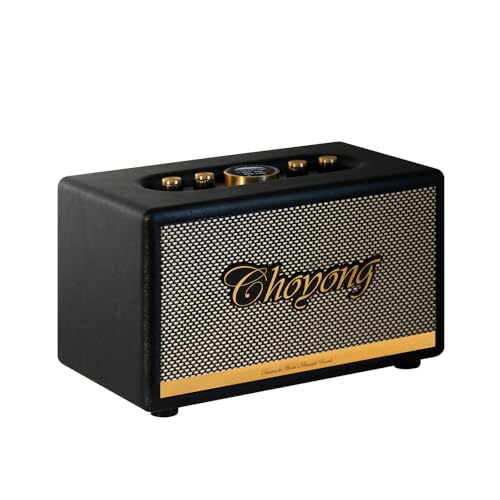
Maestro C2 Review Summary
The CHOYONG Maestro C2 WiFi Speaker makes sense if you want a connected radio speaker that does more than tune stations.
Its three-way speaker design, wide internet radio support, Bluetooth, RCA input, and touch-screen interface point to a system built for everyday listening in a home office, living room, or hobby space where convenience matters as much as sound options.
Best fit: buyers who want a versatile internet radio speaker with modern connectivity and a traditional hardware feel from the metal knob and screen-based controls.
Less ideal: anyone who wants a stripped-down radio, a known premium audio brand, or a product with a very simple setup and fewer moving parts.
Review Scorecard
| Category | Score | Buyer assessment |
|---|---|---|
| Sound system design | 8/10 | Three-way layout with woofer, midrange, and tweeters suggests more separation than a basic single-driver radio. |
| Source flexibility | 9/10 | WiFi radio, Bluetooth, RCA input, podcasts, and URL entry cover a wide range of listening habits. |
| Ease of use | 7/10 | Touch screen and knob controls should feel approachable, but the feature set adds complexity. |
| Radio value | 9/10 | 40,000+ internet radio stations is the main reason to consider it over a conventional speaker. |
| Everyday convenience | 8/10 | Bookmarking stations and switching between modes make it practical for repeat use. |
| Audiophile appeal | 6/10 | The specs sound ambitious, but the appeal is broader utility rather than proven high-end refinement. |
Key Features and Specifications of Maestro C2
The most important thing to understand about the CHOYONG Maestro C2 WiFi Speaker is that it is not just a Bluetooth speaker with a radio tuner added later.
The listing presents it as a connected audio hub with several playback paths and a more involved speaker architecture.
Here are the features that matter most:
- Three-way stereo system: a 60W woofer, two 25W midrange speakers, and two 15W silk tweeters.
- Internet radio access: support for 40,000+ internet radio stations through WiFi or ESIM card connectivity.
- Podcast support: the listing says it includes about 10 million podcast episodes, plus Spotify and Apple Podcasts support.
- Voice control features: the product claims GPT-powered voice on-demand access for stations and podcasts.
- Playback flexibility: Bluetooth streaming, WiFi connectivity, and RCA input are all supported.
- Formats and station input: the listing says it can handle audio formats such as mp3, AAC, and m3u8, and can add stations by entering a valid URL.
- Controls and interface: an HD touch screen plus a metal knob for switching modes and programs.
The strongest part of this package is source selection.
For many buyers, that matters more than raw amplifier claims because a radio speaker is often used for background listening, routine station hopping, and quick access to favorite talk or music streams.
The three-way speaker design is also a meaningful choice.
A separate woofer, midrange, and tweeter setup is usually a better sign than a vague “full-range” driver description because it suggests the product was at least designed with frequency separation in mind.
That said, the listing gives no room size guidance, tuning notes, or objective measurements, so the sound character still needs to be judged as a feature promise rather than a verified performance guarantee.
Pros and Cons of Maestro C2
Pros
- Broad listening support across internet radio, Bluetooth, RCA, and podcasts.
- Large station library with bookmarking for favorites.
- Three-way speaker layout is more serious than typical budget radio hardware.
- Touch screen plus knob should make daily navigation less awkward.
- USB-like station entry through URL support adds flexibility for niche streams.
Cons
- The feature list is broad enough that setup may feel busier than simpler radios.
- The listing makes ambitious sound and voice-control claims without independent proof in the supplied evidence.
- It is harder to evaluate than a well-known audio product with clearer third-party positioning.
- Buyers who only want FM-style simplicity may find the connected feature set unnecessary.
The overall tradeoff is straightforward: more capability, more complexity.
If you will use the internet radio library, source switching, and bookmarking often, the extra features become useful.
If not, much of the appeal disappears.
Who Should Buy Maestro C2?
This is a good fit for listeners who want one device to cover several habits at once.
If you move between station-based radio, podcasts, Bluetooth playback, and wired sources, the Maestro C2 is designed to keep those options in one place.
It also makes sense for people who like the idea of an internet radio but do not want something that feels barebones.
The screen, knob, and multi-driver layout suggest a device aimed at regular use, not just occasional novelty.
Buy it if you want:
- A connected radio speaker with broad station access.
- A device that can handle both streaming and wired playback.
- A more substantial control layout than a tiny tabletop radio.
- A home-office or living-room audio hub for casual everyday listening.
Skip it if you want:
- A minimal radio with very few settings.
- A product backed by extensive independent audio testing.
- A premium-brand design with a more established reputation.
- A speaker you will use mostly for one source, such as only Bluetooth.
How Maestro C2 Handles Everyday Listening
Internet Radio and Station Discovery
The biggest practical selling point is the 40,000+ station library.
That kind of catalog is useful when you want variety without relying on your phone for everything, and the ability to bookmark favorites makes repeat listening easier.
Bluetooth, RCA, and Mixed Sources
Bluetooth and RCA input expand the speaker beyond internet radio.
That matters because a buyer can use it as a hybrid system: stream from a phone one moment, then switch to a turntable or another wired source the next.
Controls and Interaction
The touch screen and metal knob suggest that the Maestro C2 is meant to feel like dedicated hardware, not just an app-dependent speaker.
That is a real advantage for listeners who dislike digging through menus on a phone every time they want to change stations.
Speaker Layout and Expected Sound
The three-way arrangement is the most promising sign in the listing.
A separate woofer, midrange, and tweeter setup should help with range and separation, but the real outcome will still depend on tuning, cabinet design, and how the speaker is used in the room.
Alternatives to Maestro C2
If you want to compare the Maestro C2 against other internet radio or connected speaker options, these are sensible places to start:
These alternatives are worth a look if you want a simpler interface, a more established audio brand, or a different balance between streaming convenience and speaker hardware.
Some are more focused on network audio, while others keep the radio-first experience more traditional.
Is Maestro C2 Worth It?
Yes, if your main goal is a flexible internet radio speaker with multiple input options and a richer feature set than a basic tabletop unit. The CHOYONG Maestro C2 WiFi Speaker stands out for its three-way speaker design, station library, and ability to handle Bluetooth, WiFi radio, RCA input, and podcasts in one place.
It is less compelling if you want the safest buy in terms of brand reputation or independent audio verification.
Based on the supplied evidence, this is a feature-driven purchase, not a proven audiophile reference product.
For buyers who will actually use the connected features, that tradeoff can still make sense.