
A good 16-channel snake simplifies routing, cuts cable clutter, and helps keep stage and studio setups faster to manage. Whether you need a digital stage box or a dependable analog multicore, the right choice depends on your mixer, cable length, and connector type.
Below, we focus on practical options for live sound, recording, and permanent installs, with an eye toward reliability, signal integrity, and easy deployment.
Best 10 16 Channel Digital Audio Snake Picks for 2026
Best for Networked Live Rigs
Behringer S16 16-Channel Digital Snake

- 16 MIDAS-designed preamps for clean stage inputs
- AES50 networking for low-latency digital runs
- ULTRANET support for personal monitoring setups
Best For: Bands and venues that need a compact networked stagebox for digital mixers.
Best for Easy Stage Setup
GEARit 16-Channel XLR Snake 30 ft

- 30 ft. length fits compact studio and stage runs
- Numbered labels simplify fast channel identification
- Metal XLR connectors add secure, pro-style feel
Best For: Small venues, churches, live bands, and studios needing an easy-to-manage 16-channel analog snake.
Best for StudioLive 16.4.2
Seismic Audio SAPSNS-16 50' Snake Cable
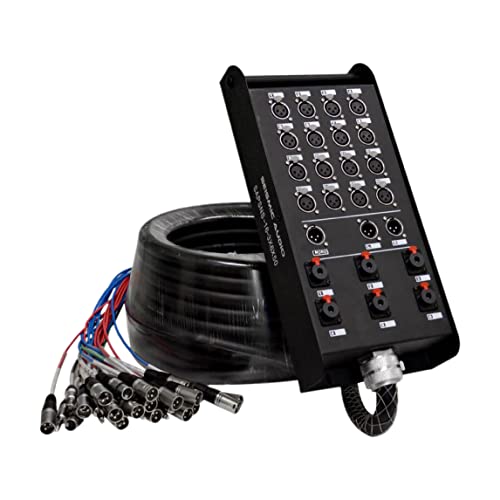
- 16 XLR sends with 3 XLR and 6 TRS returns
- 50-foot stage-to-FOH cable run
- Made for PreSonus StudioLive 16.4.2 setups
Best For: Bands and venues using a PreSonus StudioLive 16.4.2 who need a compatible 50-foot stage snake.
Best for Compact Stage Runs
Seismic Audio SAXQ-16x8x25 16-Channel Snake

- 16 XLR channels for clean stage wiring
- 25-foot length suits smaller venues
- Includes XLR and 1/4" returns
Best For: Bands and small venues that need an affordable snake with built-in returns.
Best for Simple Stage Labeling
Jamesin 16-Channel XLR Snake Cable, 30 ft

- 16-channel XLR snake for organized multi-mic runs
- Digital labels make channel tracing quicker
- Braided core wire adds durability for stage use
Best For: Bands, small venues, and home studios that want a clearly labeled multi-channel XLR cable.
Best for Rack-Mounted Splits
Seismic Audio SARMSS-16x515 Splitter Snake

- 16-channel rack-mount splitter layout
- Combo XLR/TRS connectors for flexible inputs
- Includes 5' and 15' XLR trunks
Best For: Engineers and musicians who need a rack-mounted 16-channel splitter snake for organized signal routing.
Best for 16-Channel Runs
Seismic Audio 16-Channel XLR Snake, 10 ft

- 16 balanced channels for organized signal routing
- Color-coded lines simplify setup and teardown
- Durable metal XLR connectors for stage use
Best For: Live sound, rehearsal, and studio setups that need a compact 16-channel snake.
Best for Long Runs
Seismic Audio 16-Channel Low-Profile Snake, 100 ft

- 100-foot reach for larger stage and FOH setups
- Low-profile, numbered stage box simplifies routing
- Individually shielded conductors help reduce noise
Best For: Large live sound rigs that need a durable, clearly labeled 16-channel snake with extra reach.
Best Straight-Through Routing
Seismic Audio SARLX-16x15 16-Channel XLR Snake

- True 16-channel straight-through layout
- Color-coded, numbered channels for fast setup
- Rugged XLR connectors and road-ready jacket
Best For: Bands, studios, and gigging setups needing compact 16-channel XLR routing.
Best Long-Run Value
Seismic Audio 16-Channel XLR Snake, 100 ft

- 16 channels in one 100-foot snake
- Low-profile design for cleaner stage runs
- Good fit for larger rooms and installs
Best For: Bands, churches, and venues needing a simple long-run 16-channel analog snake.
Best for Networked Live Rigs – Behringer S16 16-Channel Digital Snake
If you need a practical 16 channel digital audio snake for stage-to-FOH runs, the Behringer S16 gives you 16 MIDAS-designed mic pres, 8 XLR outputs, and AES50 networking in a compact rack unit. It’s a solid choice when you want cleaner cabling, low-latency digital transport, and remote preamp control without moving up to a much pricier system.
Best For: Bands, houses of worship, and small-to-mid-sized venues that want a reliable stagebox for digital mixers and networked monitoring.
Pros:
- 16 programmable MIDAS-designed preamps deliver flexible input handling
- AES50 and SuperMAC support help keep latency low over long runs
- 8 servo-balanced XLR outputs add useful analog routing options
- ULTRANET compatibility works with Behringer P16 monitoring systems
Cons:
- Works best in an AES50-based ecosystem, so it’s not universal
- No built-in mixing, so you’ll still need a compatible digital console
- Best suited to stagebox duties rather than standalone signal conversion
For buyers comparing a 16 channel digital audio snake, the S16 stands out for its network flexibility and straightforward integration with Behringer and Midas workflows. It’s not the most universal option, but it’s a dependable way to simplify live rig cabling and expand I/O efficiently.
Best for Easy Stage Setup – GEARit 16-Channel XLR Snake 30 ft
If you want a practical 16 channel digital audio snake alternative for analog routing, this 30-foot GEARit snake is built for straightforward runs from the mixer to stage boxes, monitors, or studio gear. It focuses on reliability and clarity, with metal XLR connectors, OFC conductors, and clearly numbered channels that help speed up setup in darker or crowded environments.
Best For: Small venues, churches, live bands, and studios that need a simple 16-channel connection with easy identification.
Pros:
- 30 ft. length works well for compact stage and studio layouts
- Metal XLR connectors help secure the connection during frequent setup and teardown
- Numbered channel labels make routing faster and less confusing
- OFC conductors are a nice touch for cleaner analog signal handling
Cons:
- Analog snake, not a true digital audio snake
- 30 ft. may be too short for larger venues or longer stage runs
- Best suited to XLR-based setups rather than more complex routing needs
For buyers comparing a 16 channel digital audio snake against a traditional multichannel XLR run, this model is a solid pick when simplicity, labeling, and dependable hardware matter more than digital networking features.
Best for StudioLive 16.4.2 – Seismic Audio SAPSNS-16 50' Snake Cable
If you need a practical 16 channel digital audio snake for a PreSonus StudioLive 16.4.2 setup, the Seismic Audio SAPSNS-16-3x6x50 gives you a straightforward 50-foot run with the right mix of sends and returns. It’s designed for fast stage-to-mixer connectivity and keeps your analog I/O organized without adding unnecessary complexity.
Best For: Bands, churches, and small venues using a PreSonus StudioLive 16.4.2 who want an affordable, purpose-built stage snake.
Pros:
- 16 XLR sends plus 3 XLR and 6 TRS returns cover a flexible live-rig layout
- 50-foot length works well for typical stage-to-FOH distances
- Compatible with the PreSonus StudioLive 16.4.2 digital mixer
- Simplifies cable runs and reduces clutter on stage
Cons:
- Built for a specific mixer workflow, so it’s not as universal as some snakes
- Analog snake design may be more than you need for very small setups
For users matching the StudioLive 16.4.2 layout, this 16 channel digital audio snake is a sensible value pick that focuses on compatibility and clean routing rather than extra features. It’s a solid choice when you want a dependable, no-frills stage connection.
Best for Compact Stage Runs – Seismic Audio SAXQ-16x8x25 16-Channel Snake
Seismic Audio - SAXQ-16x8x25 - 16 Channel 25' XLR Snake Cable with XLR and 1/4" Returns on the Box
Check Price On AmazonIf you need a straightforward 16 channel digital audio snake for small to mid-sized live rigs, this Seismic Audio box gives you 16 XLR sends plus XLR and 1/4" returns in a practical 25-foot format. It’s a sensible choice when you want fewer loose cables at the stage box and an easy way to organize basic band or rehearsal setups.
Best For: Bands, churches, and rehearsal spaces that need an affordable, compact snake with return lines built in.
Pros:
- 16-channel layout covers common live sound needs.
- 25-foot length works well for compact stages and practice rooms.
- XLR and 1/4" returns add flexibility for monitors or outboard gear.
Cons:
- Shorter run may not suit larger venues or distant FOH positions.
- Best fit for basic setups rather than high-end touring workflows.
Overall, this is a practical 16 channel digital audio snake if you value simple routing, built-in returns, and an accessible size for everyday live-sound use.
Best for Simple Stage Labeling – Jamesin 16-Channel XLR Snake Cable, 30 ft
If you need a practical 16 channel digital audio snake for stage or studio work, this Jamesin 30-foot XLR snake cable keeps the setup straightforward. The individual male-to-female runs and digital labels make it easier to trace channels quickly, which can save time during setup, patching, and teardown.
Best For: Bands, small venues, and home studios that want a long, clearly labeled multichannel mic cable for cleaner routing.
Pros:
- 16-channel format simplifies multi-mic routing in one cable run
- Digital labels help identify channels fast on busy stages
- 30-foot length works well for many rehearsal and studio layouts
- Braided core wire adds a more durable stage-ready feel
Cons:
- Analog XLR snake, not a true digital audio transmission system
- 30 feet may be limiting for larger stage layouts
- Best suited to mic and line routing rather than specialized audio workflows
For buyers comparing a 16 channel digital audio snake, this model stands out for clarity and straightforward cable management more than advanced features. It is a solid pick when you want a labeled, all-in-one XLR solution that makes multi-channel setups easier to live with.
Best for Rack-Mounted Splits – Seismic Audio SARMSS-16×515 Splitter Snake
If you need a straightforward 16 channel digital audio snake alternative for sending multiple lines between stage and rack, this Seismic Audio splitter snake is built around practical, no-frills I/O handling. The combo XLR/TRS layout and rack-mount format make it a sensible fit for live sound rigs, recording setups, and permanent installs where fast channel organization matters.
Best For: Engineers and musicians who want a rack-mounted 16-channel splitter snake with combo inputs and dual XLR trunk lengths for flexible stage-to-mix routing.
Pros:
- 16-channel rack-mount design keeps multichannel routing organized
- Combo XLR/TRS connectors add flexibility for different sources
- Includes 5′ and 15′ XLR trunks for setup versatility
- Useful for live sound splits and fixed-install signal distribution
Cons:
- More specialized than a simple stage box for basic setups
- Not the most portable option for very lightweight rigs
- Best suited to users who already need a split/rack workflow
This is a solid pick if your priority is routing efficiency rather than extra features, especially in a rack-based workflow. For buyers comparing a 16 channel digital audio snake, the Seismic Audio unit stands out for its splitter format and flexible trunk lengths.
Best for 16-Channel Runs – Seismic Audio 16-Channel XLR Snake, 10 ft
If you need a straightforward 16 channel digital audio snake for stage or studio patching, this Seismic Audio XLR multicore gives you 16 balanced lines in a compact 10-foot format. It’s a practical choice when you want clean routing, labeled channels, and rugged connectors without overcomplicating your setup.
Best For: Live sound crews, small venues, rehearsal spaces, and studio users who need a dependable short-run snake for 16-channel routing.
Pros:
- 16 balanced channels help keep signals organized and interference low.
- Color-coded individual lines make setup and teardown faster.
- Metal XLR male-to-female connectors add stage-ready durability.
- 10-foot length works well for compact FOH, stage box, and rack layouts.
Cons:
- 10 feet is too short for larger stages or longer patch distances.
- Not ideal if you need a more flexible reel-style or longer permanent run.
- Basic design focuses on function rather than premium extras.
Overall, this is a sensible 16 channel digital audio snake for buyers who value clean channel count, durable construction, and easy handling in a short-run setup. It’s best when reliability and simplicity matter more than length or advanced features.
Best for Long Runs – Seismic Audio 16-Channel Low-Profile Snake, 100 ft
If you need a 16 channel digital audio snake that can cover a large stage or studio without sacrificing signal quality, this Seismic Audio option is built for the job. The 100-foot run, low-profile steel stage box, and individually shielded conductors make it a practical pick for live sound setups that need reliable routing and easy labeling.
Best For: Bands, churches, theaters, and live venues that need a long 16-channel snake with clear labeling and durable road-ready construction.
Pros:
- 100-foot cable run gives you plenty of reach for larger stages and FOH setups
- Low-profile, numerically labeled stage box helps reduce clutter and speed setup
- Individually shielded conductors are designed to reject noise and keep signals clean
- Nickel-plated XLR connectors are ready for professional mixers and power amps
Cons:
- Heavier than shorter snakes, so it is less convenient for quick grab-and-go jobs
- Returns are limited to 4 channels, which may not suit every routing need
- The 100-foot length may be more cable than small venues require
This 16 channel digital audio snake stands out most when distance and durability matter more than compact portability. If your priority is a dependable, clearly marked snake for bigger live rigs, it offers a strong balance of practical features and stage-ready build quality.
Best Straight-Through Routing – Seismic Audio SARLX-16×15 16-Channel XLR Snake
If you need a no-nonsense 16 channel digital audio snake for live sound or studio patching, this Seismic Audio 16-channel XLR snake keeps routing simple with a true one-to-one channel layout. The 15-foot length is useful for short stage runs, mixer hookups, and rack connections where you want clean signal handling without extra cable slack.
Best For: Bands, studios, and gigging setups that want straightforward 16-channel XLR routing in a compact 15-foot run.
Pros:
- True 16-channel straight-through design with no splits or returns
- Balanced XLR connections help maintain low-noise audio performance
- Color-coded, numbered channels make setup and troubleshooting easier
- Rugged build is suited to repeated live use and teardown
Cons:
- 15-foot length may be too short for larger stage layouts
- Not a multi-stage box snake, so it may be less convenient for some workflows
Overall, this is a practical 16 channel digital audio snake alternative when you want direct, organized XLR routing without complicated features. It’s a solid fit for compact rigs that value reliability, clear channel identification, and easy setup over extra distance or advanced stage-box design.
Best Long-Run Value – Seismic Audio 16-Channel XLR Snake, 100 ft
If you need a straightforward 16 channel digital audio snake alternative for longer stage runs, this Seismic Audio 100-foot XLR snake keeps all 16 lines organized in one cable. It’s a practical choice for routing multiple inputs from a stage box to your mixer without the clutter of separate cables.
Best For: Bands, churches, and venues that need a simple 16-channel analog snake for longer cable runs and clean stage management.
Pros:
- 16 XLR send channels in a single 100-foot run
- Low-profile circuit board snake design helps keep the stage tidy
- Useful for permanent installs or larger rooms where distance matters
- Simple, no-frills setup for routing multiple mics or lines
Cons:
- Analog snake, not a true digital audio system
- 100-foot length may be more than some small setups need
- Not ideal if you want premium locking hardware or extra features
For buyers comparing a 16 channel digital audio snake option by channel count and stage convenience, this model stands out as a budget-friendly long-run cable solution. It’s best when reliability and clean cable management matter more than advanced digital features.
How We Picked the Best 16 Channel Digital Audio Snake
For a 16 Channel Digital Audio Snake, we prioritized real-world usefulness over marketing claims. That means compatibility with common mixers and stage boxes, build quality, cable shielding, connector durability, labeling, and the right balance of length and flexibility for the job. We also weighed whether a model is better suited for live sound, studio tracking, or fixed installation.
Quick Comparison
If you need a true digital stage box, look for networked or mixer-specific compatibility. If you need a traditional analog multicore, choose balanced conductors, sturdy XLR or TRS terminations, and a length that matches your stage or room layout without excess slack. Shorter runs are easier to manage in studios; longer runs are better for stage and pit setups.
Key Buying Factors for a 16 Channel Digital Audio Snake
Compatibility
Confirm that the snake works with your mixer, stage box, or audio interface. Some options are designed for specific digital mixer ecosystems, while others are passive analog snakes that simply route signals cleanly.
Length and Layout
Choose the shortest cable length that still reaches comfortably. Shorter snakes reduce bulk and setup time, while longer runs make sense for larger stages, isolation between FOH and stage, or permanent installs.
Connectors and Returns
Check whether you need XLR-only channels, TRS returns, or combo connections. Returns matter for monitor sends, headphone feeds, and outboard routing, so match the snake to your workflow instead of buying for channel count alone.
Construction Quality
Look for numbered channels, metal connectors, braided jackets, and balanced conductors. These details improve durability and make troubleshooting much easier during load-in and tear-down.
Who Should Buy Which 16 Channel Digital Audio Snake?
Buy a digital-compatible 16 Channel Digital Audio Snake if you are running a supported stage box or networked mixer and want a streamlined multi-channel workflow. Choose a passive analog snake if you need a straightforward, budget-friendly way to move 16 channels between stage and console. Short snakes fit compact studios and rehearsal spaces, while longer or rack-mount options are better for live venues, FOH rigs, and fixed installations.
If you are unsure, start with your connector standard, then pick the shortest length that supports your venue. That usually delivers the best mix of signal reliability, setup speed, and long-term flexibility.