
Choosing the right microphone preamplifier with digital output can make a bigger difference than many buyers expect. The best models add clean gain, lower noise, and a more flexible signal path for modern recording setups.
Whether you’re building a podcast rig, upgrading a home studio, or adding inputs to an interface, this roundup focuses on practical features that help you get better sound with less hassle.
Best 10 Microphone Preamplifier with Digital Output Picks for 2026
8-Channel ADAT Interface
Behringer ADA8200 with Midas Mic Preamps

- 8-channel mic preamp section
- 24-bit AD/DA with ADAT optical out
- Wired XLR input for PC setups
Best For: Expanding a studio with multiple mic inputs over ADAT
Ultra-Clean Dual-Input Preamp
MIC-1 Mic Booster with 75dB Gain

- Up to +75 dB of clean gain
- 48V phantom power for condenser mics
- Balanced XLR and 6.35 mm outputs
Best For: Boosting dynamic or condenser mics for studio, podcast, or streaming use
Rack-Mount Media Preamp
Pyle PPRE70BT with LCD and Recording Mode

- Bluetooth, FM radio, and recording mode
- USB flash and SD card reader support
- RCA inputs with preamp and subwoofer outs
Best For: Rack audio systems that need playback, radio, and simple preamp control
Inline Mic Booster
M1 Preamplifier for Dynamic and Ribbon Mics
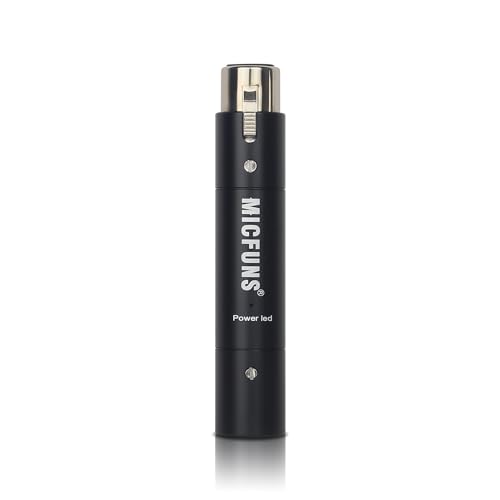
- 28 dB inline gain boost
- Needs 48V phantom power from another device
- Metal housing helps reject noise and interference
Best For: Boosting low-output dynamic or ribbon microphones inline
Rack-Mount All-Rounder

- USB computer interface for direct recording
- Bluetooth plus mic, line, and RCA inputs
- 3-band EQ and low-cut crossover in a 1U rack chassis
Best For: Home studios, podcasters, and live sound setups
Low-Noise Mic Booster

- 28 dB gain for dynamic and passive ribbon mics
- Dedicated output buffer helps with long cable runs
- Needs 48V phantom power from other gear
Best For: Dynamic and passive ribbon mic users needing clean inline gain
Portable Electret Booster

- 3.5mm input/output with built-in bias
- 0-20 dB adjustable gain control
- Built-in battery lasts over 10 hours
Best For: Portable electret mic setups with simple 3.5mm connections
Quiet Gain Booster
Coda 25dB Mic Booster for Dynamic Mics

- 25dB clean gain with -70dB noise rating
- Uses 48V phantom power from your interface or an external source
- Best suited to dynamic and ribbon mics, not condensers
Best For: Podcasters and broadcasters needing a simple clean-gain booster
Ultra-Low Noise Option
RO03 66dB Mic Preamp with Type-C Power

- 19~66dB gain with claimed -120dB EIN performance
- XLR/TRS/TS outputs and Type-C power input for flexible setups
- Supports mics and instruments, with a 1MΩ instrument input
Best For: Low-budget users who want flexible inputs and low-noise gain
Flexible Dual-Input Pick
XTUGA XIC1 Preamp with XLR Output

- Up to 75dB clean gain with 48V phantom power
- Dual inputs can handle one dynamic and one condenser mic
- XLR balanced output plus 3.5mm line and mic outputs
Best For: Home studios and streamers needing flexible mic support
8-Channel ADAT Interface – Behringer ADA8200 with Midas Mic Preamps
If you want a microphone preamplifier with digital output for a multi-mic setup, the Behringer ADA8200 is built around 8 channels of mic preamplification plus 24-bit AD/DA conversion with ADAT optical out. It is a straightforward rack-style choice for sending multiple XLR sources into an ADAT-capable system while keeping the signal path wired and simple.
Best For: Home studios, project studios, and PC-based setups that need 8 channels of mic preamps with ADAT optical connectivity.
Pros:
- 8-channel microphone preamplifier design for larger input needs
- 24-bit AD/DA conversion with ADAT optical out for digital connection
- Includes Midas preamps and XLR audio input support
- Wired connectivity and 48 kHz maximum sample rate for simple integration
Cons:
- Maximum sample rate is limited to 48 kHz
- Requires an ADAT-compatible system to use the digital output
- May be more channel capacity than needed for small recording setups
Overall, the ADA8200 is a practical pick when your priority is getting multiple mic channels into a digital workflow through ADAT optical output. It makes the most sense when you need expansion rather than a compact single-channel boost.
Ultra-Clean Dual-Input Preamp – MIC-1 Mic Booster with 75dB Gain
For buyers comparing a microphone preamplifier with digital output to a clean analog booster, the MIC-1 focuses on strong gain and flexible output options rather than digital conversion. It offers up to +75 dB of transparent gain, 48V phantom power, and balanced XLR plus 6.35 mm stereo outputs for use with interfaces, mixers, speakers, and similar gear.
Best For: Dynamic and condenser mic users who need a clean gain boost for recording, podcasting, or live streaming.
Pros:
- Up to +75 dB of clean, transparent gain
- 48V phantom power supports condenser microphones
- 2-channel inputs can handle two mics at once
- XLR balanced output and 6.35 mm stereo mic/line output
Cons:
- No digital output is listed in the supplied specs
- Designed as a gain stage rather than a full interface
- Requires external audio gear for final recording or monitoring
The MIC-1 is best viewed as a utility preamp for solving low-output mic problems, especially with dynamic models that need extra level. If your setup only needs cleaner gain and routing flexibility, it is an easy-to-place option.
Rack-Mount Media Preamp – Pyle PPRE70BT with LCD and Recording Mode
The Pyle PPRE70BT is a rack-mount audio receiver/preamp that adds Bluetooth, FM radio, and recording mode to a very traditional control layout. It is not a microphone preamplifier with digital output in the studio-interface sense, but it does offer a digital LCD, USB flash input, and SD card reader for users who want an all-in-one preamp/receiver with flexible playback and recording features.
Best For: Home audio users who want a rack-mount preamp with Bluetooth, radio, and media playback support.
Pros:
- Built-in Bluetooth for wireless streaming
- Recording mode plus USB flash and SD card reader support
- RCA inputs, RCA preamp out, and subwoofer outputs
- Front-panel controls for bass, treble, mid, balance, and volume
Cons:
- Only 2 channels, so it is not aimed at multi-mic recording
- Speaker-focused design rather than a dedicated mic preamp
- Audio features are centered on playback and receiver use
As a rack component, the PPRE70BT is useful when you want convenience features more than studio gain staging. It fits best in a home entertainment or basic audio control setup where source switching matters.
Inline Mic Booster – M1 Preamplifier for Dynamic and Ribbon Mics
If you are shopping for a microphone preamplifier with digital output, the M1 takes a different path by acting as an in-line mic booster rather than a converter. It adds 28 dB of gain for passive dynamic and ribbon microphones, and it depends on 48V phantom power from a preamp, mixer, or audio interface to operate.
Best For: Dynamic and passive ribbon mic users who need clean in-line gain from an external phantom-powered source.
Pros:
- 28 dB gain helps lift low-output microphones
- Dedicated output buffer amplifier supports long cable runs
- Helps reduce RF interference, buzz, and hum
- Rugged metal housing for stage or studio use
Cons:
- Requires 48V phantom power from another device
- Does not function as a standalone interface
- No digital output is listed in the supplied details
The M1 is a practical problem-solver when a mic needs more level before it reaches your main preamp or interface. It is especially useful for users who want a simple inline boost rather than a full-featured recording front end.
Rack-Mount All-Rounder – Rockville PPA53 Preamp Pro 1U
If you want a microphone preamplifier with digital output for a flexible studio or live-sound setup, the Rockville PPA53 gives you a broad set of tools in one rack unit. It combines mic and line preamp functions with USB computer recording, Bluetooth streaming, and XLR output, making it a practical hub for recording, playback, and integration.
Best For: Home studios, podcasters, and live sound users who want a rack-mount preamp with USB and multiple input options.
Pros:
- USB computer interface supports direct recording on Windows and Mac.
- Bluetooth, mic, line, and RCA inputs add setup flexibility.
- 3-band EQ and low-cut crossover help shape the signal.
- 1U rack design keeps it compact and easy to integrate.
Cons:
- Designed as a general-purpose preamp rather than a dedicated mic-only unit.
- Requires rack space and a wired power setup.
The PPA53 stands out if you need one unit to handle several audio tasks, especially when USB connectivity matters. It is a versatile choice, but buyers focused only on microphone boosting may find its broader feature set more than they need.
Low-Noise Mic Booster – 28dB Gain DM1 Preamp
This microphone preamplifier with digital output support is not a full interface, but it is built to boost weak dynamic and passive ribbon mic signals cleanly before they reach your next stage of gear. The 28 dB gain, dedicated output buffer amplifier, and noise-reduction focus make it a solid option when you need more level without extra coloration.
Best For: Dynamic and passive ribbon mic users who want a compact, low-noise inline boost.
Pros:
- Delivers a robust 28 dB of gain for passive mics.
- Built to reduce RF interference, buzz, and hum.
- Dedicated output buffer amplifier helps drive long cable runs.
- Slim aluminum design is easy to place in studio or stage setups.
Cons:
- Requires 48V phantom power from a mixer, preamp, or audio interface.
- Not a standalone recording interface or mixer.
For users trying to lift a quiet mic signal cleanly, this booster keeps the focus on gain and noise rejection. It is best viewed as a helper device in a larger signal chain rather than an all-in-one preamp solution.
Portable Electret Booster – Adjustable Gain ME1 Preamp
If your setup uses an electret microphone and a simple analog signal path, this microphone preamplifier with digital output style convenience is a compact way to add adjustable gain. The ME1 offers a 3.5mm input and output, built-in bias, and 0-20 dB gain control, making it easy to adapt to portable recording or content-creation setups.
Best For: Portable electret mic setups that need simple gain adjustment and a 3.5mm signal path.
Pros:
- Built-in bias supports electret microphone input.
- 0-20 dB adjustable gain gives flexible level control.
- 3.5mm input and output keep connections simple.
- Built-in battery provides over 10 hours of use.
Cons:
- Limited to electret microphone applications.
- 3.5mm connections are less flexible than pro XLR gear.
The ME1 makes sense when portability and straightforward gain control matter more than studio-grade expansion. It is a practical small-format preamp for users who want an easy way to amplify a compatible mic signal on the go.
Quiet Gain Booster – Coda 25dB Mic Booster for Dynamic Mics
If you need a microphone preamplifier with digital output in a recording chain, the Coda MB-1 is really a clean gain booster for dynamic and ribbon microphones rather than a full interface-style converter. It adds up to 25dB of gain using 48V phantom power from your interface or an external supply, making it useful when a mic sounds too quiet but you want to keep the signal clean.
Best For: Podcasters, streamers, broadcasters, and studio users working with dynamic or ribbon mics that need extra clean gain.
Pros:
- Provides 25dB of clean boost with a low-noise design rated at -70dB.
- Works with dynamic and ribbon microphones for vocals, podcasting, broadcast, and studio recording.
- Can help reduce line noise on long cable runs and improve gain before feedback in live sound.
- Compact aluminum build is suitable for stage or studio use.
Cons:
- Does not supply phantom power; your interface or an external 48V source is required.
- Does not work with condenser microphones.
- Single-channel design only.
Overall, this is a straightforward mic booster for users who already have phantom power available and want a simple way to raise level without adding much noise. It is less versatile than some all-in-one preamps, but it stays focused on clean gain for the right mic types.
Ultra-Low Noise Option – RO03 66dB Mic Preamp with Type-C Power
The RO03 is a practical microphone preamplifier with digital output-friendly connectivity options for users who want a cleaner gain stage before an interface or mixer. It offers 19 to 66dB of real-world gain, an advertised EIN of -120dB, and XLR/TRS/TS outputs, so it can fit recording setups that need flexibility for vocals or instruments.
Best For: Budget-conscious recordists and streamers who want low-noise gain with flexible I/O for mics and instruments.
Pros:
- Wide 19~66dB gain range designed for practical use without obvious noise at max gain.
- Type-C power input improves portability and compatibility for mobile recording setups.
- Supports dynamic, condenser, and ribbon microphones, plus instruments.
- 1MΩ instrument input helps reduce distortion and frequency loss when used as a DI.
Cons:
- The two input ports cannot work simultaneously.
- Best noise performance depends on using the TRS line input rather than the XLR input to an interface.
- Single-channel unit with a very specific setup recommendation.
This model stands out for users who value routing flexibility and low noise more than simplicity. If you can follow the connection guidance and want one box that can handle several source types, the RO03 is a strong low-budget option.
Flexible Dual-Input Pick – XTUGA XIC1 Preamp with XLR Output
The XTUGA XIC1 is a microphone preamplifier with digital output-friendly XLR connectivity that aims to deliver clean gain for recording and streaming setups. It offers up to 75dB of transparent gain, 48V phantom power, and balanced XLR output, while also adding 3.5mm line and mic outputs for live streaming devices.
Best For: Home studio users and streamers who want a flexible preamp for dynamic or condenser microphones.
Pros:
- Up to 75dB of gain for boosting quieter microphones.
- 48V phantom power supports both dynamic and condenser microphones.
- Dual input design lets you enhance one condenser mic and one dynamic mic simultaneously.
- Balanced XLR output plus 3.5mm outputs for broader device compatibility.
Cons:
- Only two input channels, so it is not built for larger multi-mic rigs.
- 3.5mm outputs are aimed more at streaming devices than full studio routing.
- Best suited to users who need a simple gain stage rather than advanced control features.
For buyers who want one preamp to cover podcasting, streaming, and home recording, the XIC1 offers the most all-around flexibility of the three. Its balanced output and dual-input design make it especially practical when you need clean gain across different mic types.
How We Picked the Best Microphone Preamplifier with Digital Output
We focused on preamps that serve real-world recording needs: clean gain, usable output options, low-noise operation, phantom power where relevant, and straightforward integration with common gear. For a Microphone Preamplifier with Digital Output, the output format matters as much as the gain stage, so we prioritized units that fit studio, streaming, and desktop workflows without unnecessary complexity.
Quick Comparison
Some products in this group are true interface-style preamps with digital connectivity, while others are compact booster preamps designed to improve mic signal before it reaches another device. That distinction is important. If you need direct computer or recorder connection, look for digital output or USB/ADAT-style integration. If you mainly need cleaner gain for a dynamic or ribbon mic, an inline booster may be the better value.
Key Buying Factors for a Microphone Preamplifier with Digital Output
Output Type
Check whether the unit offers ADAT, USB, or another digital path, and confirm it matches your interface or recorder. A strong analog preamp is useful, but the wrong output can limit compatibility.
Gain and Noise Performance
Higher gain is not automatically better. Look for enough headroom for low-output microphones, plus a low noise floor so you can raise vocals or speech without adding hiss.
Phantom Power and Mic Compatibility
Condenser microphones need 48V phantom power, while dynamic and ribbon mics may benefit from clean boost without phantom depending on the design. Make sure the preamp supports the microphones you actually use.
Connectivity and Workflow
Consider whether you need XLR, 3.5mm, USB, ADAT, headphone monitoring, or rackmount installation. The best choice is the one that fits your current setup and leaves room to grow.
Build and Use Case
Portable inline preamps suit mobile recording and simple vocal chains. Rack units are better for multi-channel expansion, studio routing, and permanent installations.
Who Should Buy Which Microphone Preamplifier with Digital Output?
If you want to expand inputs for multi-mic recording, choose a channel-expanding model with digital interfacing. If you mainly need to lift a quiet dynamic mic, an inline booster is usually the smarter buy. Podcast creators and streamers should favor easy setup, low noise, and monitoring options. Studio users should weigh channel count, phantom power, and output compatibility first, then decide based on budget and rack space.