
Finding the right telephone audio interface depends on what you need to connect: a recorder, paging system, amplified ringer, or analog telephone line. The products in this roundup cover practical options for offices, homes, and legacy phone systems.
Before buying, verify phone-line compatibility, connector type, audio direction, and whether the device is designed for recording, amplification, or signal splitting. The guide below highlights the factors that matter most.
Best 10 Telephone Audio Interfaces Picks for 2026
Paging Hub

- Single-zone analog telephone paging
- Separate paging and music outputs
- Built-in 24 V DC power supply
Best For: Commercial analog paging installations
Call Capture

- Records analog, VoIP, digital, and IP calls
- Up to 970 hours on included SD card
- Manual and automatic recording modes
Best For: Standalone call recording and voice logging
Paging Pro
Advanced Universal Telephone Interface

- Programmable paging tones and timers
- Emergency override and DTMF setup
- Wall-mount metal enclosure
Best For: Configurable commercial analog paging systems
Rackmount Organization
RA4 Telephone Interface Adapter

- Accommodates up to four telephone interfaces
- Designed for rack-based organization
- Weighs 12.8 ounces
Best For: Mounting and organizing multiple telephone interfaces
Audible Call Alert
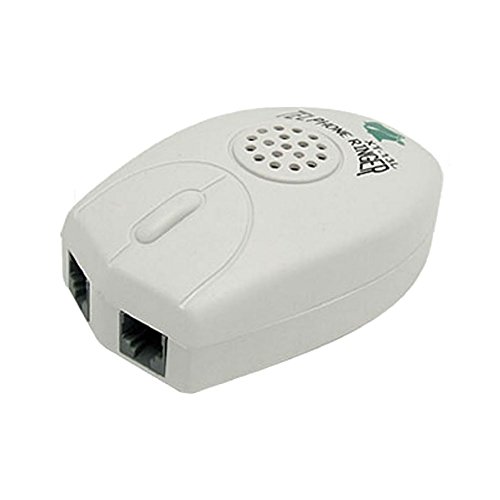
- Amplifies the ring to 75dB
- Designed for compatible landline telephones
- Compact corded-electric accessory
Best For: Making incoming landline calls easier to hear
Call Recording Splitter
Analog Telephone Audio Adapter

- Splits an analog line between phone and recorder
- Includes RJ11 ports and 3.5mm output
- Supports compatible single- and multi-line systems
Best For: Adding recording capability to compatible analog phones
Ring Amplifier
AKOAK Loud Sound Telephone Ringer
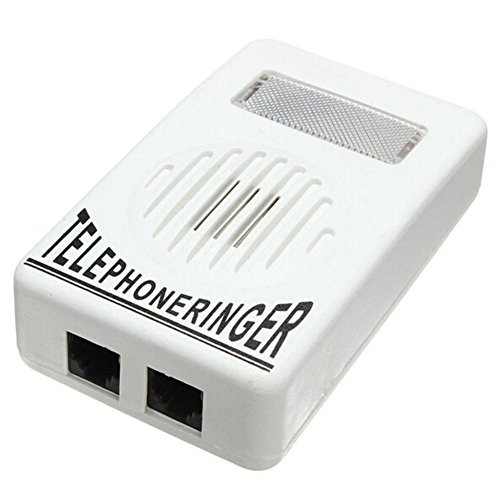
- Boosts landline ring volume
- Adds light-flasher alerts
- Supports standard home phones
Best For: Users who need louder incoming-call alerts
Dual Recording Splitter
2-Pack Analog Telephone Adapter Splitter

- Connects phones to recorders
- Captures both call directions
- Includes two adapter kits
Best For: Analog call-recording setups and backup installations
Volume-Control Recorder
ECS Telephone Recorder Adapter for Landline

- Adjusts recording volume inline
- Includes long RJ11 and audio cables
- Supports handset or wall-jack recording
Best For: Flexible landline recording setups with volume control
Paging Hub – Universal Telephone Interface
The Bogen UTI1 is a practical choice when telephone audio interfaces need to connect an analog phone system to a single-zone paging setup. It supports paging-only and paging-plus-background-music outputs, with individual level controls and built-in power for compatible external devices.
Best For: Businesses and facilities adding one-way paging to analog telephone systems and self-amplified speakers.
Pros:
- Supports loop start, ground start, analog station access, and page-port connections.
- Provides separate paging and paging-with-background-music outputs.
- Includes a 24 V DC power supply delivering up to 1 A.
Cons:
- Designed for single-zone, one-way paging rather than multi-zone audio.
- Its telephone-system compatibility is focused on analog interfaces.
With two independently controlled outputs and adjustable music muting, the UTI1 offers useful flexibility for straightforward commercial paging installations. Confirm your phone-system connection type and speaker power requirements before buying.
Call Capture – AR120 Telephone Recorder
The AR120 is a standalone option for telephone audio interfaces when the main goal is recording and managing calls. It supports analog, VoIP, digital, IP, fixed wireless, and PABX phone connections, while its included 16GB SD card stores up to 970 hours of recordings.
Best For: Users who need standalone call recording, voice logging, or telephone recording with Windows-based file management.
Pros:
- Supports manual, voltage-triggered automatic, and voice-triggered recording.
- Includes a replaceable 16GB SD card, expandable to 32GB, with loop recording.
- Built-in microphone, speaker, LCD, and keypad support on-device file management.
Cons:
- PC configuration and management software work with Windows only.
- Requires three AAA batteries.
The AR120 stands out for broad phone-system support and flexible recording modes. It is a better fit for capturing and reviewing conversations than for routing live telephone audio into a paging or sound system.
Paging Pro – Advanced Universal Telephone Interface
This Bogen UTI1 is a feature-rich telephone audio interface for single-zone paging over analog telephone networks. Along with separate audio outputs and background-music control, it adds emergency override, programmable tones, timers, DTMF setup, and non-volatile memory.
Best For: Commercial paging systems that need configurable tones, emergency overrides, timing controls, and wall-mounted installation.
Pros:
- Provides paging-only and paging-with-background-music outputs with level controls.
- Supports emergency override paging, night ringer, tone burst, and chime selections.
- Retains configuration data without battery backup and includes mounting flanges.
Cons:
- Limited to single-line, single-zone operation.
- Optional rack panel and security cover are sold separately.
- Intended for analog telephone networks and compatible paging equipment.
Choose this version when installation control matters as much as basic paging connectivity. Its programmable features make it more adaptable than a simple adapter, provided your system uses the supported analog telephone and paging connections.
Call Alert – CEA-40 Ringer Amplifier
The Connected Essentials CEA-40 is a simple telephone audio interface accessory for making incoming calls easier to notice. It plugs into a standard BT telephone wall socket, amplifies the ringer to as much as 95 dB, and adds a flashing light without requiring mains power or batteries.
Best For: Homes and small spaces where a louder ring and visual call alert are needed for a standard single-line telephone.
Pros:
- Plug-and-play installation with no batteries or mains power.
- Combines ringer amplification with a bright flashing light.
- Compact wall-mountable design with included connections and wiring.
Cons:
- Designed for standard telephone wall sockets and single-line operation.
- It is a call-alert amplifier, not a device for recording or routing audio.
- The supplied notes cite amplification up to 95 dB, while the title states up to 105 dB.
The CEA-40 is the most focused option in this group: it improves notification rather than adding broader telephone-system audio features. Its line-powered, no-battery setup is convenient, but compatibility should be checked for the specific wall socket and telephone service.
Rackmount Organization – RA4 Telephone Interface Adapter
The RA4 Rackmount Adapter is a straightforward mounting accessory for telephone audio interfaces. It is designed to accommodate up to four interfaces, making it useful when organizing multiple compatible units in a rack-based setup.
Best For: Users mounting and organizing up to four telephone interfaces.
Pros:
- Accommodates up to four telephone interfaces.
- Provides a rackmount-oriented organization solution.
- Lightweight 12.8-ounce design.
Cons:
- It is an adapter, not a telephone audio interface itself.
- Compatibility is specifically described for telephone interfaces, so confirm fit before buying.
If your priority is keeping several telephone audio interfaces together in a rack, the RA4 offers a focused, space-organizing solution. Check the dimensions and mounting compatibility of your equipment before purchase.
Audible Call Alert – AKOAK RJ11 Ring Amplifier
The AKOAK RJ11 telephone ringer amplifier is a practical accessory for making incoming landline calls easier to hear. It connects between the telephone and wall line and provides a clear, louder ring rated at 75dB, which can help in noisy spaces or when you are away from the phone.
Best For: Landline users who need a louder ring, including heavy sleepers and people with hearing difficulties.
Pros:
- Produces a clear, loud 75dB ring.
- Works with compatible landline telephones.
- Compact size and corded-electric operation.
- Simple single-line telephone setup.
Cons:
- Designed for ringing amplification rather than telephone audio recording or interface connectivity.
- Supports single-line operation only.
- Plastic enclosure may be less suitable for demanding environments.
Choose this model if your telephone audio setup mainly needs a stronger incoming ring. It is a focused, compact solution, but buyers needing call recording or broader interface functions should consider a different accessory.
Call Recording Splitter – Analog Telephone Audio Adapter
This analog telephone adapter is a practical option for adding recording capability to compatible telephone audio interfaces and analog phone setups. It splits the line between a telephone and recorder, with RJ11 connections and a 3.5mm output for compatible recording equipment.
Best For: Recording calls from compatible analog single- or multi-line telephone systems.
Pros:
- Provides two RJ11 ports for telephone line connections.
- Includes a 3.5mm audio recording output.
- Supports compatible single- and multi-line analog systems.
- Plug-and-use design requires no software or complex configuration.
Cons:
- Telephone, handset, and voice recorder are not included.
- Requires a compatible recording device with a 3.5mm audio input.
- Compatibility should be confirmed for the specific phone system and connections.
For buyers seeking telephone audio interfaces for straightforward call recording, this adapter offers a compact wired connection between an analog phone and external recorder. Verify the phone type, RJ11 arrangement, and recorder input before ordering.
Ring Amplifier – AKOAK Loud Sound Telephone Ringer
For shoppers comparing telephone audio interfaces for a landline, the AKOAK Loud Sound Telephone Ringer is designed to make incoming calls easier to hear. It connects between a standard telephone and the wall line, boosting the ring volume without requiring a phone replacement.
Best For: Hearing-impaired users, heavy sleepers, and anyone who may be away from their landline in a noisy home.
Pros:
- Boosts the ring volume for use in noisy places.
- Includes a light flasher and a switch for high- or low-frequency ringing.
- Works with standard home phones and is easy to install.
Cons:
- Enhances the ring rather than recording or routing telephone audio.
- Designed for single-line, corded landline setups.
This is a focused accessibility accessory rather than a recording interface. Choose it when the main problem is missing incoming calls because the telephone ring is too quiet.
Dual Recording Splitter – 2-Pack Analog Telephone Adapter Splitter
Among telephone audio interfaces, this two-pack analog telephone adapter is aimed at capturing calls from compatible phone systems. Its dual RJ11 ports and 3.5mm audio socket let you connect a telephone line and a voice recorder for incoming and outgoing call recording.
Best For: Businesses, interviewers, and personal users who need a compact way to connect analog phones to recording equipment.
Pros:
- Supports incoming and outgoing call connections through dual RJ11 ports.
- Provides a 3.5mm socket for compatible voice-recording devices.
- Requires no extra power and includes two adapters for multiple setups or backup.
- Includes phone cables and 3.5mm audio cables.
Cons:
- Compatibility depends on having suitable analog telephone and recording equipment.
- The supplied notes do not specify recording-device volume controls.
This is a practical plug-and-play option for basic analog call-recording arrangements. The two-pack adds flexibility, especially when setting up more than one station.
Volume-Control Recorder – ECS Telephone Recorder Adapter for Landline
The ECS Telephone Recorder Adapter is a versatile choice among telephone audio interfaces for connecting a landline handset or wall jack to a recorder. It includes an in-line volume control, long cables, and connections for devices with a 3.5mm microphone or telephone input.
Best For: Users who want adjustable recording volume and flexible placement with analog or compatible digital telephone recording equipment.
Pros:
- Provides in-line volume control for adjusting recorded audio.
- Includes 7-foot RJ11 and 3.5mm cables for flexible positioning.
- Supports recording through a handset connection or directly from a wall jack.
- Works with many PC sound cards, digital recorders, and analog recorders using 3.5mm inputs.
Cons:
- Designed for single-line operation.
- Requires recording equipment with a compatible 3.5mm input.
- Its broader included kit may be more than needed for a simple setup.
Choose this model when cable length and volume adjustment matter. Its included control box, splitter, handset cord, and two recording connection options make it the most configurable option of these three.
How We Picked These Telephone Audio Interfaces
We selected products that address common telephone-audio needs, including call recording, paging integration, line splitting, ring amplification, and connection to analog or digital voice systems. The selection includes standalone devices, adapters, rack accessories, and alerting equipment rather than treating every interface as interchangeable.
Compatibility and intended use were the main considerations. We also looked for useful connection options such as RJ11, 3.5mm, dual audio outputs, and support for analog landlines. Because telephone wiring and service types vary, buyers should confirm system requirements before ordering.
Quick Comparison
| Best For | Look For | Typical Product Type |
|---|---|---|
| Call recording | Recorder output and telephone-line compatibility | Telephone recorder adapter or standalone recorder |
| Paging systems | Paging output, background-music input, and zone support | Universal telephone interface |
| Hearing incoming calls | High-output ringing and visual alerts | Ringer amplifier with flashing light |
| Sharing a telephone line | Correct RJ11 wiring and split-line design | Analog telephone adapter or splitter |
| Rack installation | Matching mounting dimensions | Rackmount adapter |
Key Buying Factors for Telephone Audio Interfaces
Phone-Line Compatibility
Determine whether your system uses a traditional analog landline, a digital telephone service, or VoIP through an analog telephone adapter. An interface made for analog lines may not work directly with an IP phone unless the service provides an appropriate analog output.
Connection and Signal Direction
Check whether the device connects inline, splits one line into separate outputs, or extracts audio for recording. RJ11, 3.5mm, and terminal-style connections are not automatically interchangeable, and some products handle only one-way audio or ringing signals.
Recording and Privacy Requirements
For call recording, confirm that the interface captures the needed side of the conversation and connects to your recorder or computer. Follow applicable consent and call-recording laws before using any recording equipment.
Volume, Alerts, and Installation
Ringer amplifiers are useful in noisy rooms or for people who need stronger audible and visual notifications. Check maximum volume, flashing-light behavior, wall-mounting options, power requirements, and whether the unit is suitable for your telephone service.
Who Should Buy Which Telephone Audio Interfaces?
Choose a universal telephone interface if you need to connect a phone system to paging equipment or distribute telephone audio through a building. A standalone recorder or recorder adapter is better for users focused on documenting calls. If missed calls are the main problem, select a ringer amplifier with a flashing light and loud-output specification.
For simple line sharing, an analog splitter or telephone-to-recorder adapter is usually the most practical choice. Businesses installing equipment in a communications rack should confirm that the rackmount accessory matches the selected interface. When compatibility is uncertain, prioritize products with clearly stated analog-line requirements and test the setup with your specific phone service before expanding it.